
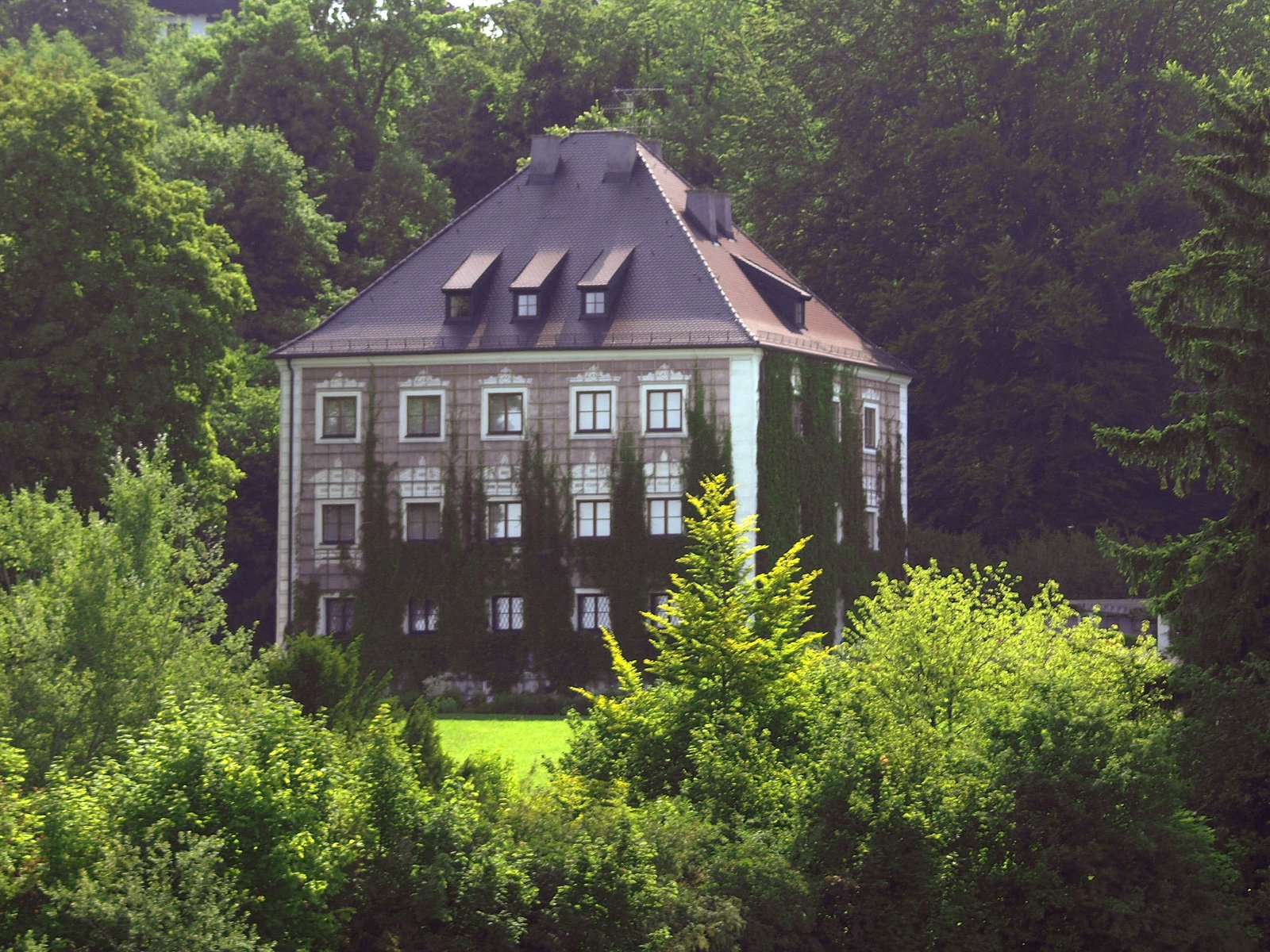
A lakeside manor on the shores of Lake Starnberg, forever linked to the mysterious death of Bavaria’s most romantic king and now home to the Wittelsbach dynasty.
At a glance
Berg Palace sits on the eastern bank of Lake Starnberg in Upper Bavaria’s village of Berg. The residence remains a private royal dwelling, occupied by Franz, Duke of Bavaria, current head of the House of Wittelsbach.
History
The palace achieved international prominence as the final residence of King Ludwig II of Bavaria. The king’s death at the palace in 1886 remains disputed and surrounded by historical controversy. Following Ludwig’s demise, the property remained within the Wittelsbach family and continues as their residence to this day.
What you see
Berg Palace is a manor house situated directly on the lake’s eastern shore, designed to command views across the water. The specific architectural details and style await further documentation.
Cultural significance
The palace holds profound importance in Bavarian royal history as the location of Ludwig II’s death—an event that marked the end of one of Europe’s most eccentric monarchies. Ludwig’s patronage of the arts and architecture shaped cultural life across Bavaria, making Berg Palace a symbolic endpoint in his extraordinary reign.
Key facts
- Location: Berg, Upper Bavaria, Germany
- Coordinates: 47.9702°N, 11.351°E
- Current resident: Franz, Duke of Bavaria (House of Wittelsbach)
- Historical significance: Final residence of King Ludwig II; site of his disputed death in 1886
Practical information & getting there
Berg Palace is a private royal residence and not open to the public. The village of Berg lies on Lake Starnberg’s eastern shore, approximately 25 kilometres south of Munich, accessible by regional transport. The surrounding landscape offers public access to the lake and its scenic walks.
Sources & resources
Find it on the map
See this place and what’s around it →📷 Become a Cultural Heritage Online photographer
Share your photos of places: they stay published under your name as the author. The more they're seen, the more you get noticed — and soon a contest will reward the most appreciated photos.
Log in or sign up free to add a photoIs this page about you?
This page is read by travellers and heritage enthusiasts who find it on Google. Tell us how you are connected to this place and we will take it from there.