
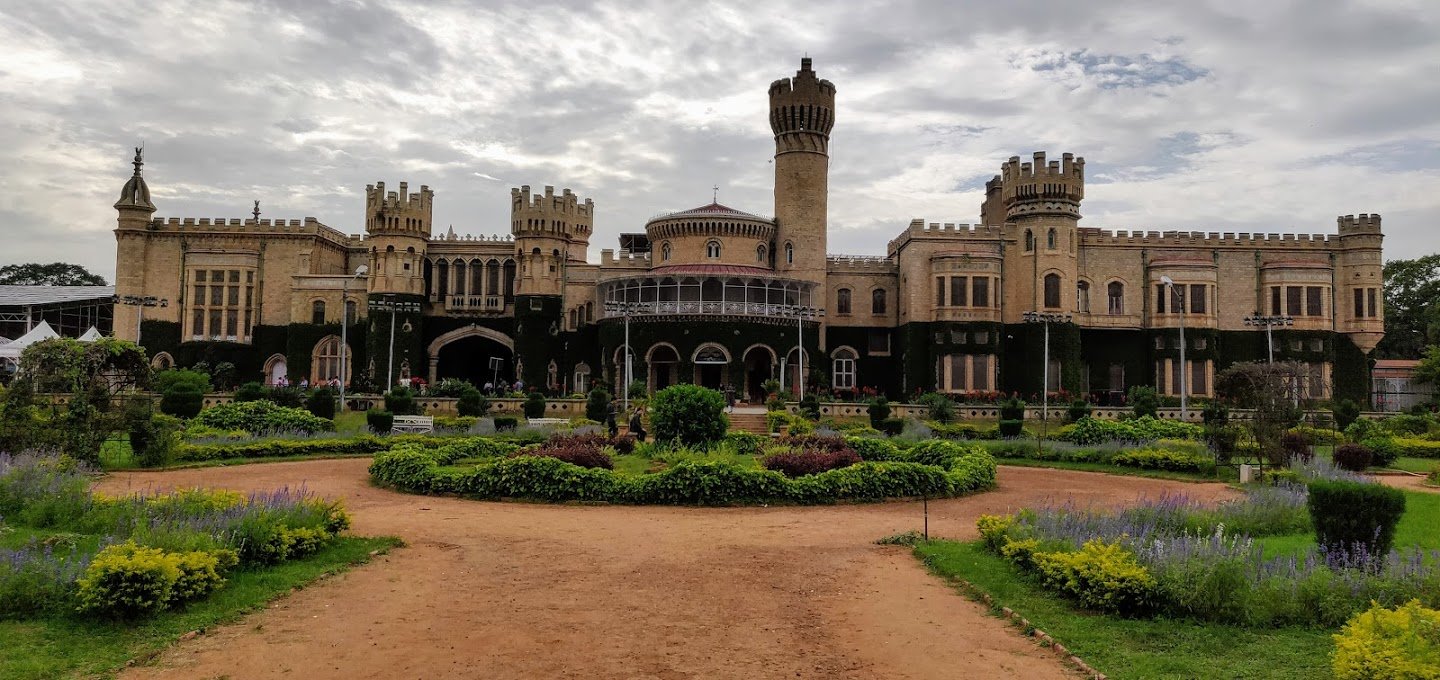
A royal residence completed in 1874, Bengaluru Palace stands as a monument to the architectural tastes of the Maharaja of Mysore and remains a prominent landmark in India’s garden city.
At a glance
Bengaluru Palace is a 19th-century royal palace commissioned by the Maharaja of Mysore. Finished in 1874, it represents the grandeur of princely India and continues to serve as a cultural venue and public attraction in Karnataka’s capital.
History
The palace was commissioned by the Maharaja of Mysore and completed in 1874, marking an era of palace construction across South India’s princely states. It reflects the royal patronage and architectural ambitions of the late 19th century.
What you see
The palace showcases 19th-century royal design. Its architectural character remains a significant example of the period, though detailed structural descriptions are limited in available sources.
Cultural significance
Bengaluru Palace represents the heritage of the Mysore royal family and the broader tradition of palace construction in South India. Today it serves as a window into the region’s royal past and continues to host cultural events and public gatherings.
Key facts
- Country: India
- City: Bengaluru, Karnataka
- Completed: 1874
- Commissioned by: Maharaja of Mysore
- Coordinates: 12.998529, 77.592103
Practical information & getting there
The palace is open for public viewing. In recent years, its grounds have hosted various events, fairs, and cultural programs. An amusement park operates within the palace premises, making it a popular destination for both heritage tourism and family entertainment.
Sources & resources
Find it on the map
See this place and what’s around it →📷 Become a Cultural Heritage Online photographer
Share your photos of places: they stay published under your name as the author. The more they're seen, the more you get noticed — and soon a contest will reward the most appreciated photos.
Log in or sign up free to add a photoIs this page about you?
This page is read by travellers and heritage enthusiasts who find it on Google. Tell us how you are connected to this place and we will take it from there.