
An urban planning museum housed in Beijing’s historic 1903 main railway station, offering insights into the city’s past, present, and future development.
At a glance
The Beijing Planning Exhibition Hall occupies a landmark railway building adjacent to Tiananmen Square. It opened to the public on 9 September 2004. The museum combines architectural heritage with contemporary exhibition design, making it both a cultural monument and an active cultural venue.
History
The building dates to 1903, when it served as Beijing’s main railway station. It was repurposed as a museum in the early 2000s, reflecting a broader pattern of adaptive reuse in central Beijing. The conversion preserved the original structure while introducing modern interpretive systems.
What you see
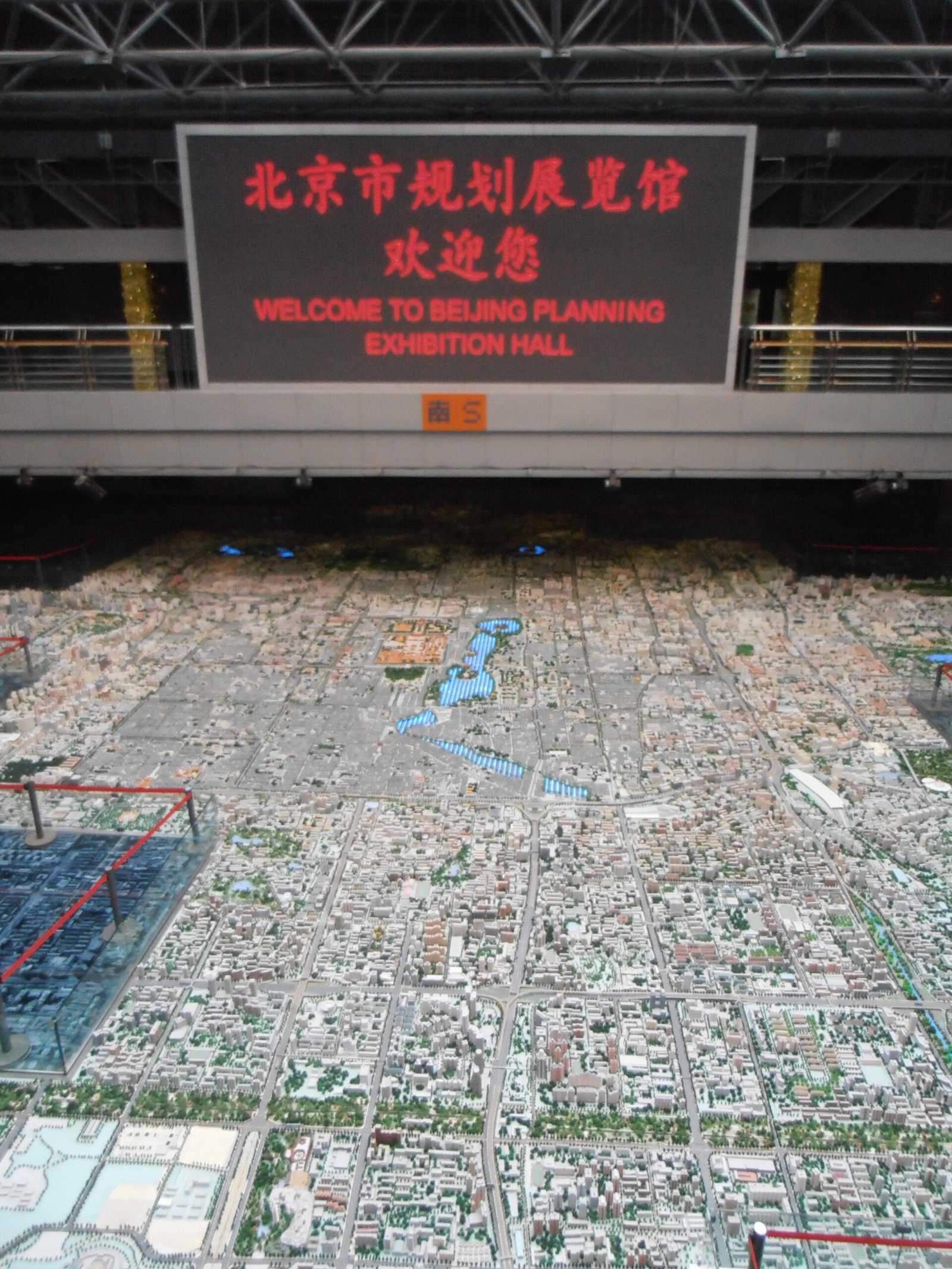
The exhibition hall retains the architectural character of its Edwardian-era railway station. Inside, the centerpiece is a large-scale model of the entire Beijing metropolitan area. Multimedia displays complement the model, presenting the city’s planning history and future urban strategies.
Cultural significance
The museum documents Beijing’s transformation from imperial capital to modern metropolis. It offers visitors a spatial understanding of urban change and planning decisions that have shaped contemporary Beijing. The building itself connects visitors to early 20th-century transport infrastructure and engineering.
Key facts
- Country: China
- City: Beijing
- Coordinates: 39.898416, 116.39503
- Original building completed: 1903
- Opened as museum: 9 September 2004
- Location: 20 Qianmen E Street, beside Tiananmen Square
Practical information & getting there
The hall is located at 20 Qianmen E Street, within walking distance of Tiananmen Square and accessible by Beijing’s public transport network. Check current opening hours and any admission requirements before visiting, as museum policies may change seasonally.
Sources & resources
Find it on the map
See this place and what’s around it →📷 Become a Cultural Heritage Online photographer
Share your photos of places: they stay published under your name as the author. The more they're seen, the more you get noticed — and soon a contest will reward the most appreciated photos.
Log in or sign up free to add a photoIs this page about you?
This page is read by travellers and heritage enthusiasts who find it on Google. Tell us how you are connected to this place and we will take it from there.