
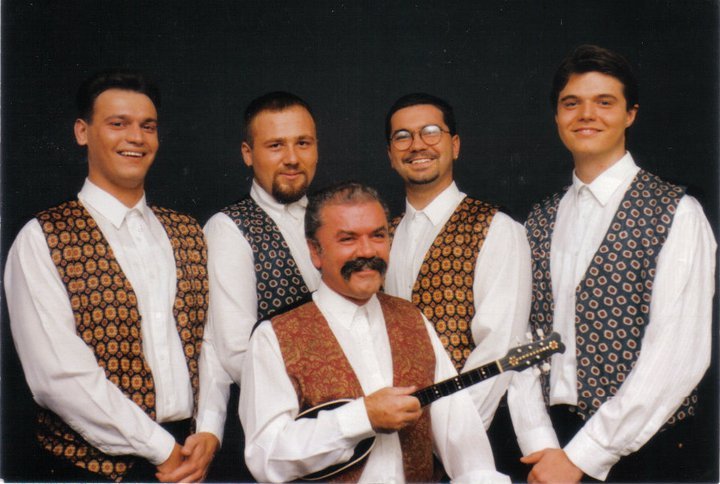
A humorous folk song tradition of rural Slavonia, bećarac thrives on teasing verses and lascivious wit, sung by men and women alike at village celebrations.
In UNESCO’s words
Bećarac is a popular genre of music in eastern Croatia deeply rooted in the cultures of Slavonia, Baranja and Srijem. Communication among its performers is essential: lead singers interchange vocal lines, striving to out-sing one another while creating, emulating and combining decasyllabic verses and shaping the melody – all the while accompanied by a group of singers and tambura bands. The music conveys community values, but also enables singers to express thoughts and feelings that might be inappropriate if uttered directly or in other contexts. Each lead singer shapes his or her performance according to the context, with the performance lasting as long as the creativity and energy of the singers permit. Lead singers must possess both a powerful voice and a wide repertoire of old and new couplets, and be apt, quick and clever in choosing and combining them. Nowadays, men and women are almost equally represented among tradition bearers. The Bećarac is spread widely throughout eastern Croatian communities and remains part of living practice – whether in completely informal situations of music-making or in contemporary festive events and celebrations. Many sub-types of Bećarac also exist, in addition to particularities introduced by lead singers. Bećarac is therefore an extraordinarily vivid, dynamic genre that is recreated in each performance.
Official description, UNESCO Intangible Cultural Heritage List — Bećarac singing and playing from Eastern Croatia
At a glance
Bećarac is a popular musical genre from eastern Croatia, rooted in the cultures of Slavonia, Baranja and Srijem. Lead singers compete in performance, creating and combining verses while accompanied by other singers and tambura bands. The music allows performers to express thoughts and feelings that might be inappropriate in other contexts, while also conveying community values.
Origins & history
The name bećarac derives from the Serbo-Croatian word bećar, itself borrowed from Turkish bekâr, meaning “bachelor,” “reveler” or “carouser.” The practice emerged in rural Slavonia as a form of social commentary and entertainment among village men, eventually becoming shared equally by women, particularly within kolo dance circles.
The practice
In performance, lead singers interchange vocal lines while striving to out-sing one another, shaping decasyllabic verses and melody. A group of singers and tambura bands provide accompaniment. Lead singers must possess powerful voices and wide repertoires of old and new couplets, choosing and combining them with skill and quickness. Each singer adapts their performance to the context, and the performance continues as long as the singers' creativity and energy allow. Today, men and women are nearly equally represented among tradition bearers. Bećarac is practiced in informal music-making and at contemporary festive events and celebrations.
Cultural significance
Bećarac remains part of living practice within eastern Croatian communities. The genre is extraordinarily vivid and dynamic, recreated anew in each performance. Many sub-types exist, and individual lead singers introduce their own particularities, ensuring the tradition continually evolves while remaining rooted in community life.
Key facts
- Country: Croatia
- Inscribed: 2011
- UNESCO list: Representative List of the Intangible Cultural Heritage of Humanity
- UNESCO reference: 00358
- UNESCO vocabulary: Improvisation; Instrumental music; Vocal music
- Map: Slavonia, Baranja and Srijem — the locality named in UNESCO’s official description of this element
Where to experience it
Bećarac thrives throughout the communities of Slavonia, Baranja and Srijem in eastern Croatia, where it remains an active part of everyday music-making and festive occasions. Visitors may encounter the tradition at local celebrations, weddings and folk dance gatherings, where lead singers and tambura bands perform in both informal settings and contemporary events. The genre's dynamic nature means each performance is shaped by the singers' creativity and repertoire, making it a living practice continuously recreated within the region's communities.
Sources & resources
- UNESCO — official element page: Bećarac singing and playing from Eastern Croatia
- UNESCO — open data record: Intangible Heritage List, reference 00358
- UNESCO — official video: UNESCO film on this element — embedded on this page
- UNESCO — official photograph: Photograph of this element — Cultural Society Sokadija — 2008 by Ministry of Culture
- Reference — Wikipedia (secondary): Be%C4%87arac — consulted as a secondary reference, not as confirmation
- Cultural Heritage Online: Our archive and city guides

Find it on the map
See this place and what’s around it →📷 Become a Cultural Heritage Online photographer
Share your photos of places: they stay published under your name as the author. The more they're seen, the more you get noticed — and soon a contest will reward the most appreciated photos.
Log in or sign up free to add a photo