
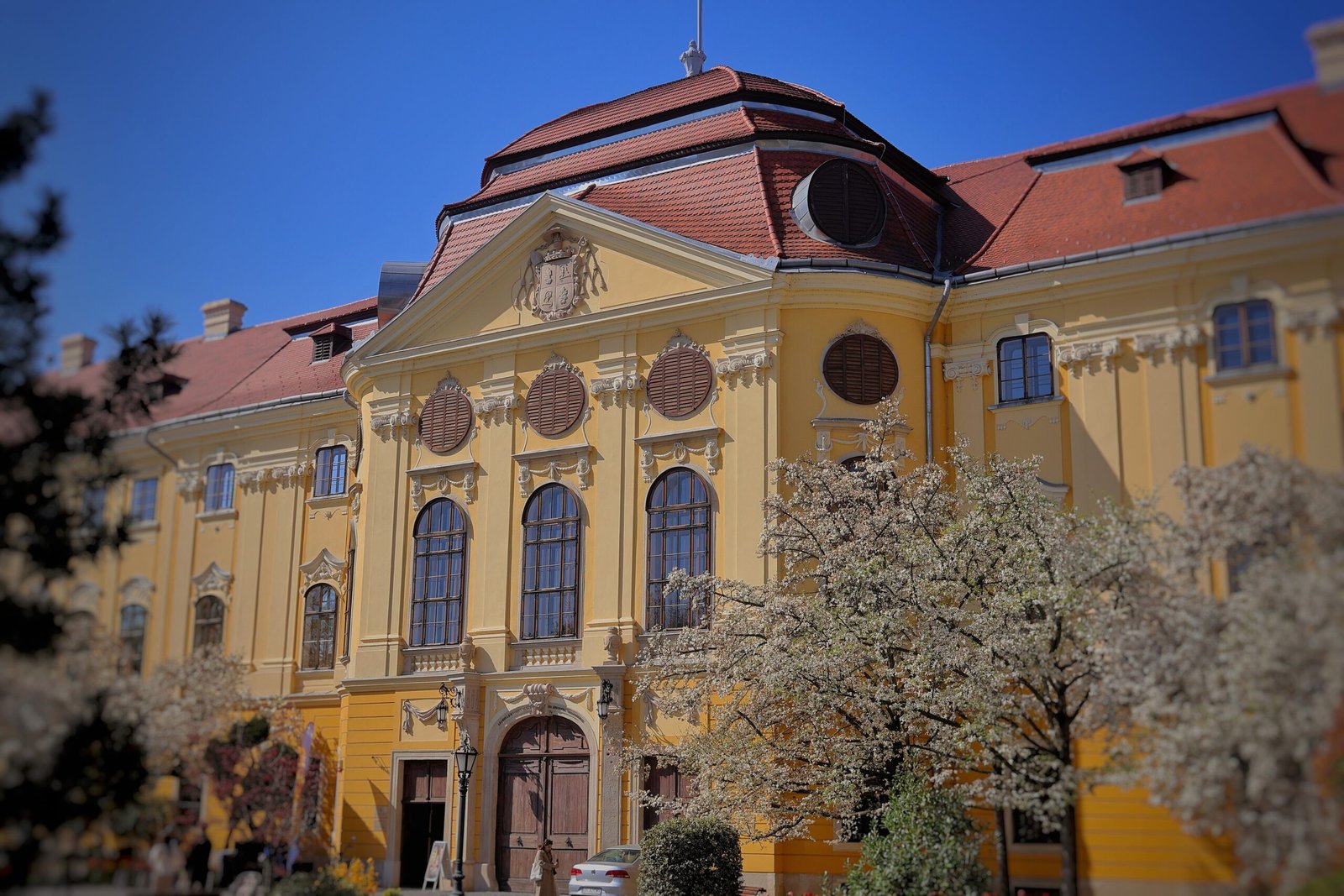
A Baroque-era episcopal residence that reflects the religious and architectural ambitions of the Roman Catholic Church in early modern Transylvania.
At a glance
This palace served as the residence of the Roman Catholic bishop of Oradea. Its Baroque design marks a significant moment in the city’s architectural development and the institutional presence of the Church in the region.
History
The palace dates to the Baroque period, when ecclesiastical authorities commissioned ambitious building projects across Transylvania. As the seat of the Roman Catholic episcopate, it embodied both spiritual authority and worldly power during this transformative era in the region’s religious and political history.
What you see
The building exemplifies Baroque architectural principles, though specific details of its design, ornamentation, and structural features require further documented analysis to describe with precision.
Cultural significance
The palace stands as a monument to the Catholic Church’s influence in Transylvania during the Baroque age. It represents the intersection of religious institution, architectural ambition, and regional identity in a historically complex border region.
Key facts
- Country: Romania
- City: Oradea, Bihor County
- Coordinates: 47.068, 21.93122
- Period: Baroque
Practical information & getting there
Oradea is located in northwestern Romania near the Hungarian border. For current opening hours, visiting arrangements, and access details, consult local tourism resources or contact the city’s visitor information center.
Sources & resources
Find it on the map
See this place and what’s around it →📷 Become a Cultural Heritage Online photographer
Share your photos of places: they stay published under your name as the author. The more they're seen, the more you get noticed — and soon a contest will reward the most appreciated photos.
Log in or sign up free to add a photoIs this page about you?
This page is read by travellers and heritage enthusiasts who find it on Google. Tell us how you are connected to this place and we will take it from there.