
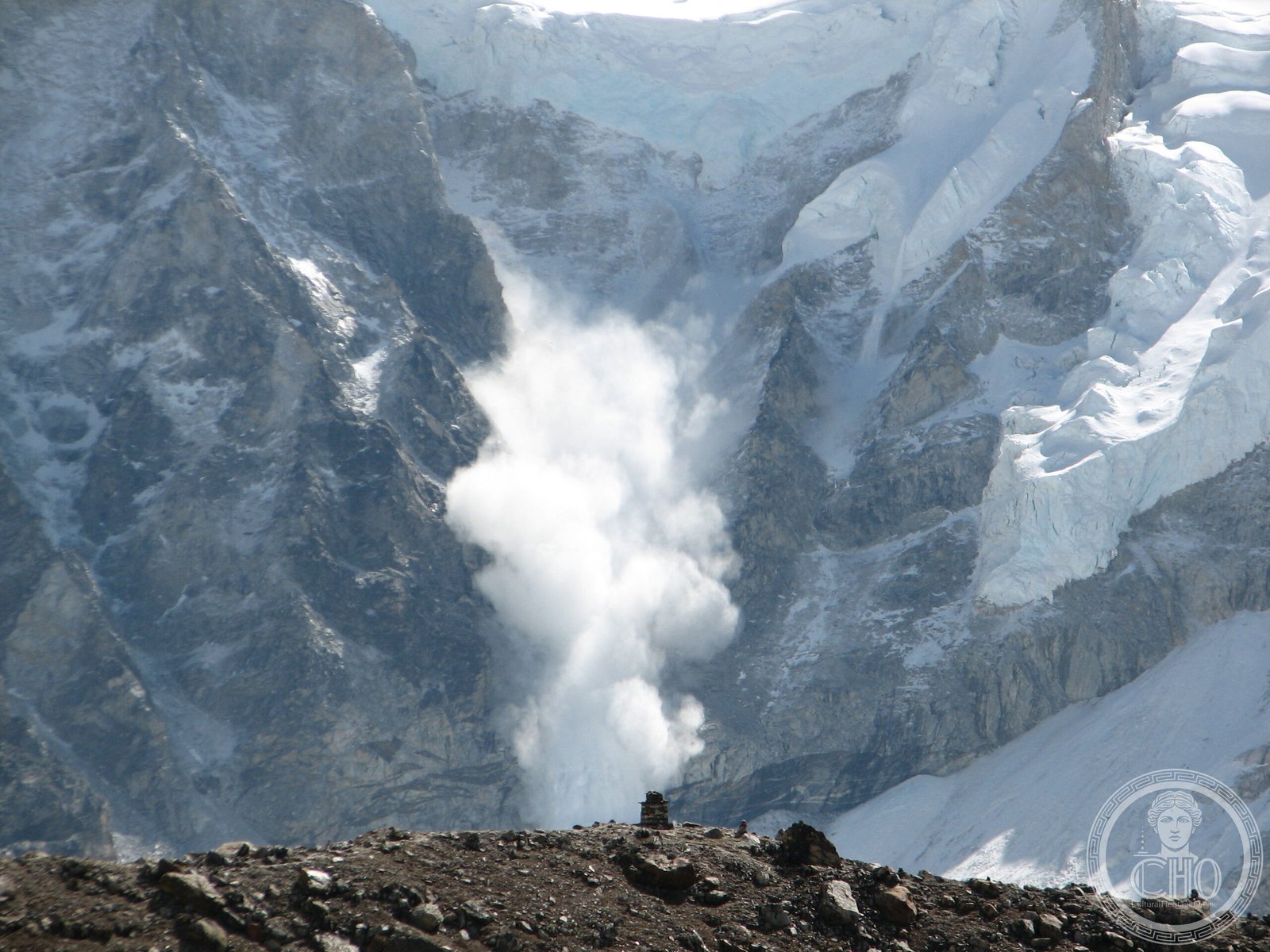
In the Alpine valleys surrounding Innsbruck, generations of mountain communities have developed sophisticated knowledge systems to predict, prevent, and survive avalanches—the rapid flows of snow that pose among the world’s most serious natural hazards in mountainous terrain.
At a glance
Avalanche risk management in the Austrian Alps represents a living synthesis of empirical observation, engineering innovation, and cultural memory. The practice encompasses forecasting, control measures, and community preparedness—skills refined across centuries of Alpine settlement. Innsbruck, Austria’s premier mountain city, remains a centre for both traditional knowledge and modern avalanche science.
Origins and history
Mountain communities in the Alps have inhabited avalanche-prone terrain for centuries, developing empirical understanding of snow behaviour, seasonal patterns, and warning signs. This knowledge—passed orally and through apprenticeship—enabled survival in one of Europe’s most challenging landscapes. Modern avalanche risk management built upon these foundations, integrating traditional observation with twentieth-century physics and engineering.
The tradition today
Contemporary avalanche risk management combines multiple approaches. Practitioners monitor snowpack conditions, interpret weather data, and assess terrain vulnerability. Artificial triggers—explosives or other means—intentionally release unstable snow before it accumulates into dangerous avalanches. Community education and early-warning systems alert residents and travellers. In Innsbruck and surrounding valleys, the tradition persists as both technical discipline and cultural practice, with specialists trained in reading mountain conditions through lived experience as much as laboratory analysis.
Cultural significance
For Alpine communities, avalanche management represents more than hazard mitigation. It embodies a relationship with the mountain environment—respect for natural forces, collective responsibility for safety, and intergenerational transmission of survival knowledge. The practice affirms human resilience in extreme geography and demonstrates how communities encode environmental knowledge into institutional and cultural memory.
Key facts
- Country: Austria
- Anchor community: Innsbruck
- UNESCO recognition: Inscribed on the Representative List of the Intangible Cultural Heritage of Humanity
- Element type: Risk management and environmental knowledge system
- Scale: Avalanches occur in any mountain range with enduring snowpack; most frequent in winter and spring but may occur year-round
- Composition: Two main forms—slab avalanches (tightly packed snow triggered by underlying weak layer collapse) and loose snow avalanches; may capture ice, rocks, and trees
Where to experience it
Innsbruck’s mountain institutes, avalanche services, and Alpine museums document and teach avalanche management. Visitors interested in the practice may contact local mountaineering schools, avalanche forecasting centres, or the Austrian Alpine Association. Winter conditions in the surrounding valleys demonstrate the terrain and seasonal patterns that shaped this knowledge tradition.
Sources & resources
- Wikipedia: Avalanche
- Cultural Heritage Online
Find it on the map
See this place and what’s around it →📷 Become a Cultural Heritage Online photographer
Share your photos of places: they stay published under your name as the author. The more they're seen, the more you get noticed — and soon a contest will reward the most appreciated photos.
Log in or sign up free to add a photo