
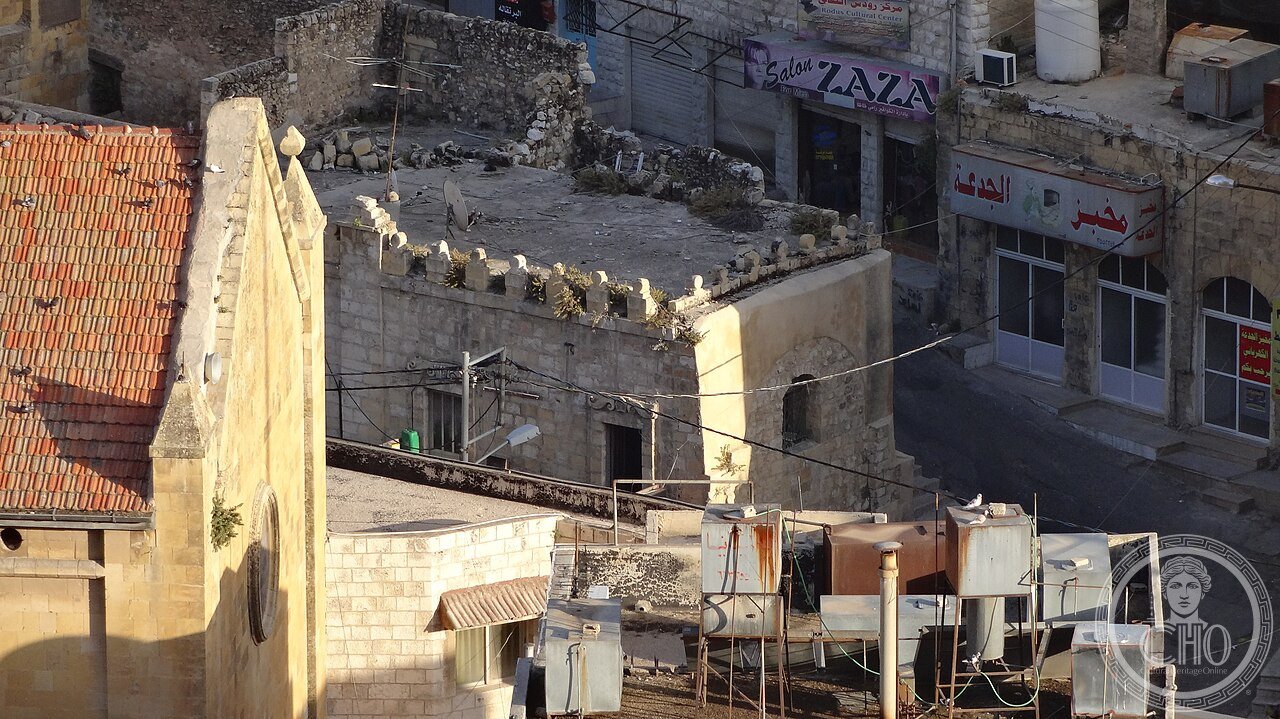
The city of tolerance and hospitality – honey-stone merchant houses where Muslim and Christian neighbours built one urban culture, UNESCO-listed 2021.
At a glance
- Type
- Historic town (UNESCO 2021)
- Period
- Golden age 1860s-1920s
- Style
- Late Ottoman merchant architecture in yellow limestone
- Location
- Balqa highlands, Jordan
- Coordinates
- 32.0392, 35.7272
- Listing title
- As-Salt – The Place of Tolerance and Urban Hospitality
Overview
As-Salt terraces its golden limestone up three hills above the Jordan valley road – the late-Ottoman boomtown where Nablus and Damascus merchants built veranda’d houses beside local families, Muslim and Christian quarters interleaved rather than divided. UNESCO’s 2021 inscription named not monuments but a social fabric: tolerance and hospitality as the town’s heritage.
History
The 1860s Tanzimat’s security drew trans-Jordan trade through As-Salt – the region’s capital until Abdullah I chose Amman’s rail junction in 1921, freezing the townscape at its elegant peak. Madafas (guest halls) hosted travellers regardless of creed; shared shrines and the great mosque-church skyline carried the custom the listing now certifies.
Architecture and Design
Some 650 listed buildings stack the hills: Abu Jaber house’s frescoed halls (now museum), Nabulsi merchant mansions’ triple-arched windows, and stairs-streets threading the souq. The local stone’s glow gives As-Salt its name-fitting honeyed light.
Cultural significance
As-Salt models heritage as coexistence – the inscription’s criterion – and preserves Jordan’s pre-Amman urbanity; its harmony narrative anchors national identity beyond the desert castles and Petra.
Visiting today
The Harmony Trail walks museum, mosques, churches, and panorama steps in two hours; Friday’s souq and home-kitchen lunches deliver the hospitality in person. Amman lies 40 minutes east.
Getting there
Buses and taxis run from Amman’s North station; the old town walks from the central drop-off.
Sources and resources
Find it on the map
See this place and what’s around it →Record researched and written by Luigi De Marchi for Cultural Heritage Online, 2026.
📷 Become a Cultural Heritage Online photographer
Share your photos of places: they stay published under your name as the author. The more they're seen, the more you get noticed — and soon a contest will reward the most appreciated photos.
Log in or sign up free to add a photo