

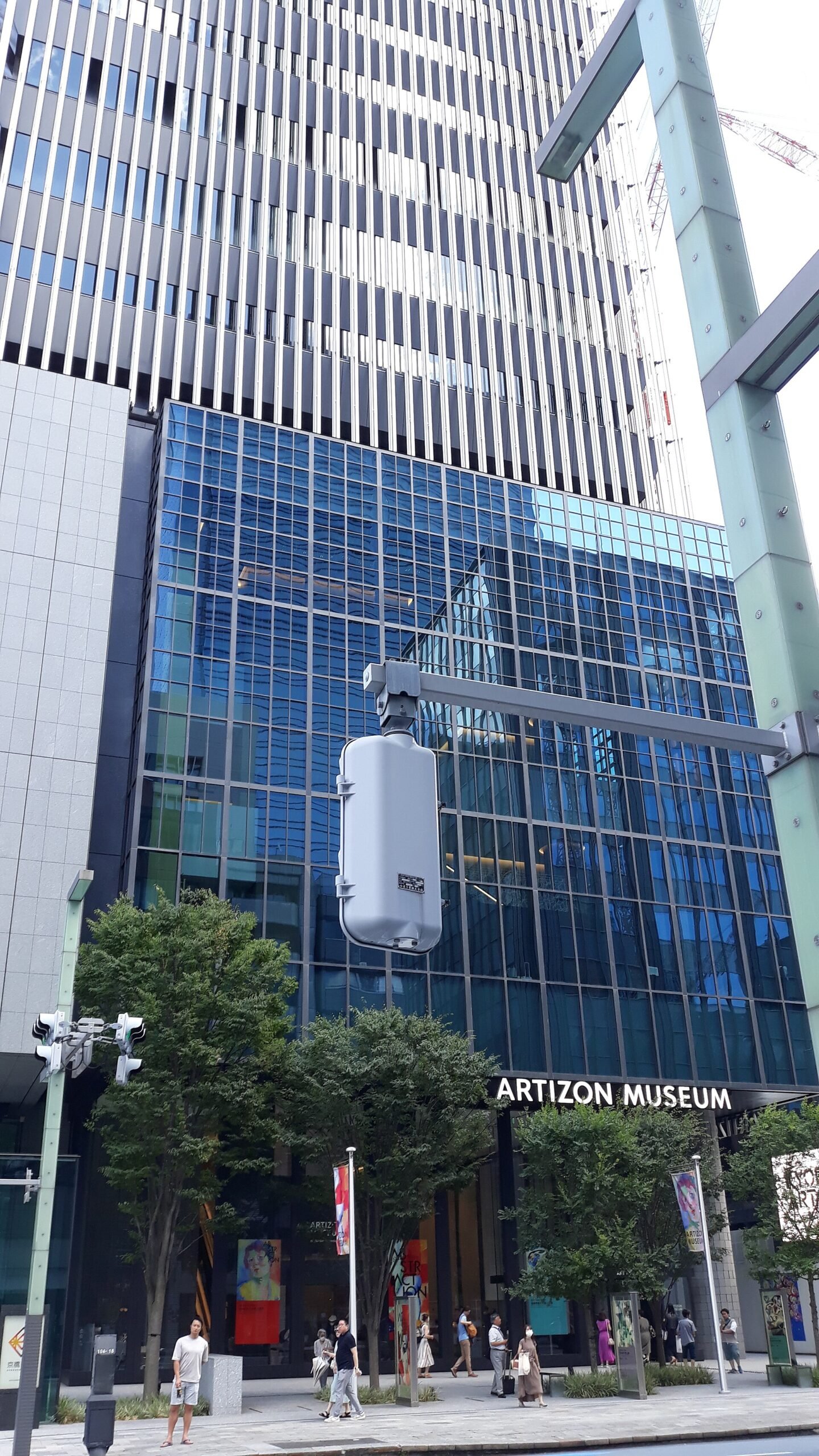
A Tokyo art museum with collections spanning Impressionist, Post-Impressionist, and twentieth-century works alongside ancient Greek ceramics, founded by the creator of Bridgestone Tire.
At a glance
Artizon Museum holds paintings and sculptures by Japanese, European, and American artists from the late nineteenth century onward. The collection emphasizes Impressionist and Post-Impressionist movements alongside modern works, complemented by ceramics from Ancient Greece.
History
The museum was founded in 1952 by Ishibashi Shojiro, founder of Bridgestone Tire Co.—his surname, literally “stone bridge,” echoes the museum’s name. Originally called the Bridgestone Museum of Art, it occupied the headquarters of the Bridgestone Corporation in Chūō, Tokyo. The institution was renamed Artizon Museum in 2018.
What you see
The museum displays works across multiple galleries arranged thematically around its core holdings. Visitors encounter paintings by major Impressionist and Post-Impressionist figures, Japanese modern artists, twentieth-century European and American works, and a selection of classical Greek pottery.
Cultural significance
Artizon represents Japan’s postwar commitment to preserving and presenting Western art alongside domestic modernism. The museum’s founding by a major industrialist reflects broader patterns of corporate patronage in twentieth-century Japan, while its collections document aesthetic dialogue between European and Japanese artistic traditions.
Key facts
- Country: Japan
- City: Tokyo
- Founded: 1952
- Coordinates: 35.6789, 139.7719
- Former name: Bridgestone Museum of Art (until 2018)
Practical information & getting there
The museum is located in Chūō, Tokyo’s central business district. For current hours, admission fees, and exhibition details, visit the museum’s official website or contact the institution directly.
Sources & resources
Find it on the map
See this place and what’s around it →📷 Become a Cultural Heritage Online photographer
Share your photos of places: they stay published under your name as the author. The more they're seen, the more you get noticed — and soon a contest will reward the most appreciated photos.
Log in or sign up free to add a photoIs this page about you?
This page is read by travellers and heritage enthusiasts who find it on Google. Tell us how you are connected to this place and we will take it from there.