

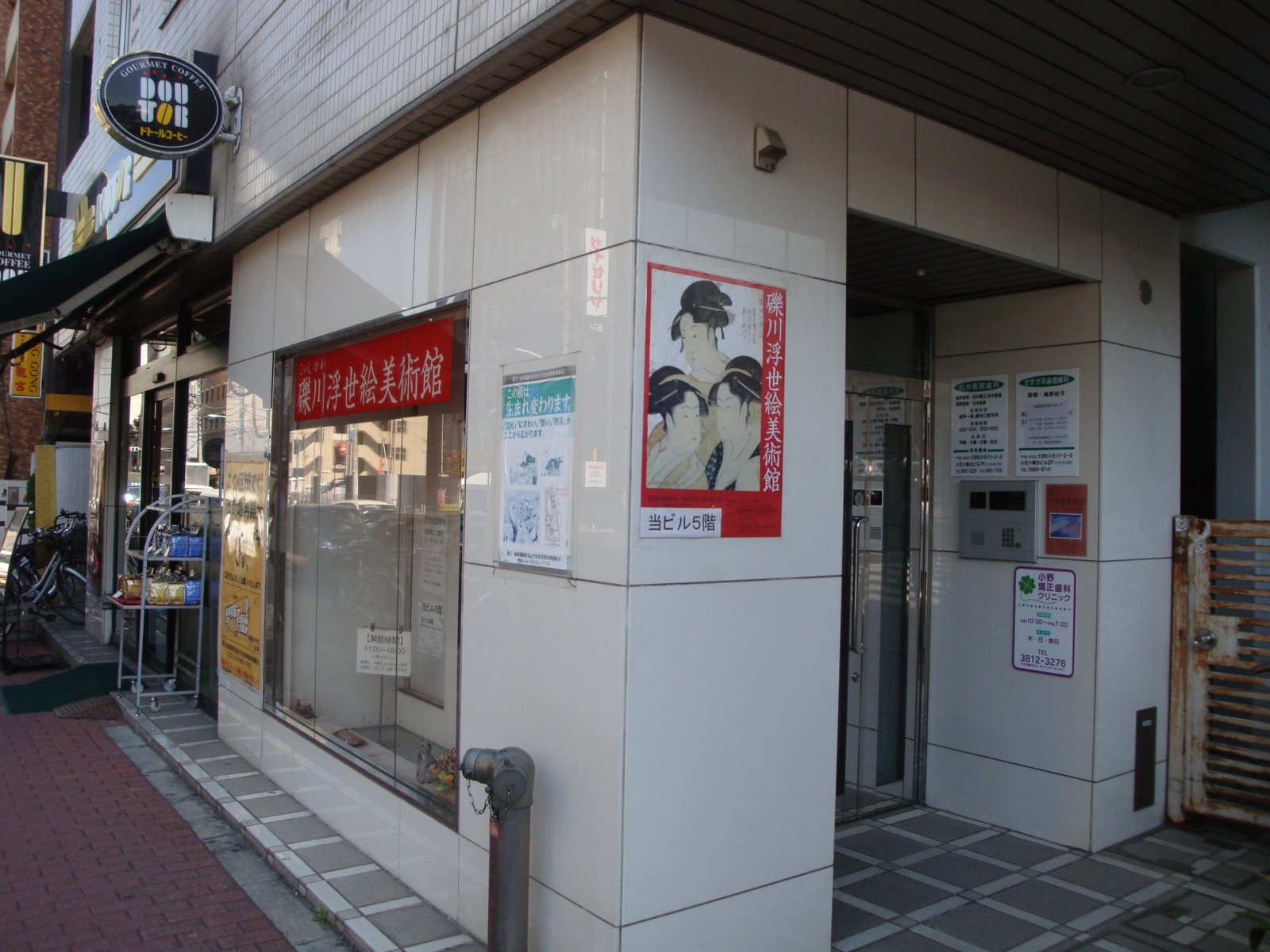
A dedicated gallery devoted to Japanese woodblock prints, this intimate museum showcased masterworks of the ukiyo-e tradition during its brief but focused existence.
At a glance
The Koishikawa Ukiyo-e Art Museum occupied a small space in Tokyo’s Bunkyō ward, specializing exclusively in ukiyo-e genre paintings and prints from Japan’s Edo period. The collection featured significant works by three canonical masters: Utamaro, Hokusai, and Hiroshige.
History
Opened in November 1998, the museum was established with a clear curatorial mission: to deepen public understanding of ukiyo-e culture. Its exhibition strategy—rotating displays monthly—aimed to engage repeat visitors and reveal the breadth of the collection. The museum closed in March 2014.
What you see
As an intimate gallery space, the museum prioritized accessibility to its prints rather than architectural grandeur. Monthly rotations meant no single visit could encompass the entire holding.
Cultural significance
Ukiyo-e—”pictures of the floating world”—represents one of Japan’s most influential artistic traditions. Works by Utamaro, Hokusai, and Hiroshige profoundly shaped global art movements in the nineteenth century. The museum’s focus on this genre affirmed its enduring cultural importance in contemporary Japan.
Key facts
- Country: Japan
- City: Bunkyō, Tokyo
- Coordinates: 35.70888889°N, 139.75194444°E
- Founded: November 1998
- Closed: March 2014
- Focus: Edo period ukiyo-e prints and paintings
Practical information & getting there
The museum is no longer in operation. Visitors interested in ukiyo-e can explore the collections at major Tokyo institutions including the Tokyo National Museum and the Ota Memorial Museum of Art.
Sources & resources
Find it on the map
See this place and what’s around it →📷 Become a Cultural Heritage Online photographer
Share your photos of places: they stay published under your name as the author. The more they're seen, the more you get noticed — and soon a contest will reward the most appreciated photos.
Log in or sign up free to add a photoIs this page about you?
This page is read by travellers and heritage enthusiasts who find it on Google. Tell us how you are connected to this place and we will take it from there.