
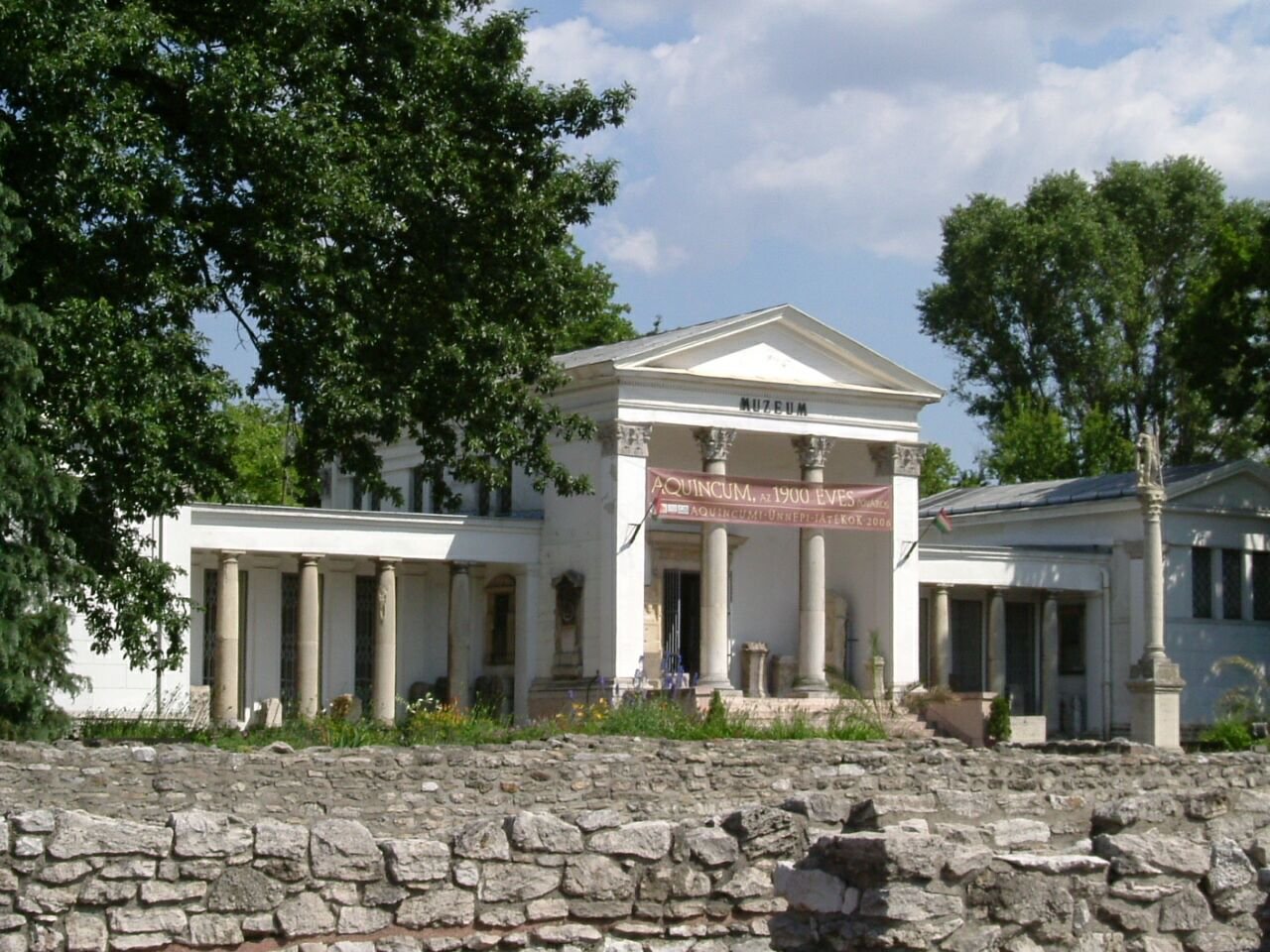
Budapest’s premier repository of Roman archaeological treasures, the Aquincum Museum preserves the material record of a frontier settlement that flourished two millennia ago.
At a glance
The Aquincum Museum opened its doors in May 1894, making it one of Hungary’s oldest dedicated archaeological institutions. It houses finds excavated from the ruins of Aquincum, a Roman military and civilian settlement that once stood on the Danube’s right bank. The museum combines indoor galleries with an open-air exhibition space, allowing visitors to encounter artifacts in both controlled and reconstructed outdoor contexts.
History
Aquincum itself served as a Roman garrison town and trading post during the early imperial period. The settlement’s archaeological significance prompted systematic excavation in the 19th century. The decision to establish a dedicated museum in 1894 reflected growing scholarly interest in Hungary’s Roman past and the value of keeping finds in situ rather than dispersing them to distant capitals.
What you see
The museum’s dual structure—indoor exhibition halls paired with an outdoor archaeological park—allows comprehensive interpretation of Roman life. Indoor displays present portable artifacts and detailed information; the outdoor section preserves structural remains and enables spatial understanding of the settlement’s layout and urban planning.
Cultural significance
Aquincum represents the Roman military presence in Pannonia and documents the cultural exchange between Rome and the peoples of the Danube frontier. Among its most distinctive holdings are finds from the local mithraeum, testimony to the religious diversity of a cosmopolitan imperial outpost. The museum thus illuminates both military strategy and civilian spirituality in the ancient world.
Key facts
- Country: Hungary
- City: Budapest
- Coordinates: 47.56563056° N, 19.04981667° E
- Founded: May 1894
Practical information & getting there
The museum operates as both indoor and outdoor exhibition spaces in Budapest. For current opening hours, admission fees, and detailed visitor information, consult the museum’s official website or local tourism resources.
Sources & resources
Find it on the map
See this place and what’s around it →📷 Become a Cultural Heritage Online photographer
Share your photos of places: they stay published under your name as the author. The more they're seen, the more you get noticed — and soon a contest will reward the most appreciated photos.
Log in or sign up free to add a photoIs this page about you?
This page is read by travellers and heritage enthusiasts who find it on Google. Tell us how you are connected to this place and we will take it from there.