

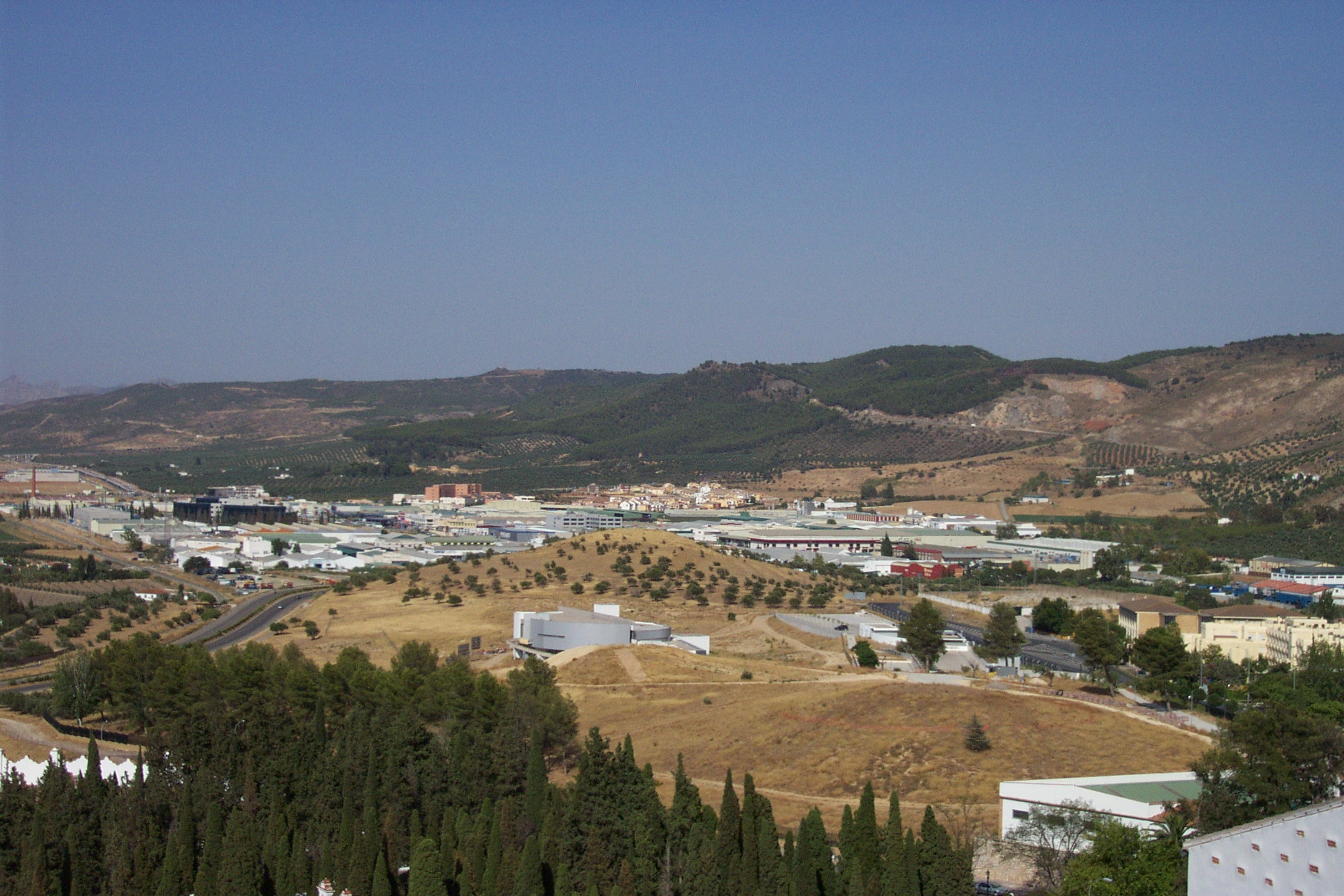
An extraordinary ensemble of monumental tombs and natural formations in Andalusia, where Neolithic and Bronze Age peoples left some of Europe’s oldest architectural remains.
In UNESCO’s words
Located at the heart of Andalusia in southern Spain, the site comprises three megalithic monuments: the Menga and Viera dolmens and the Tholos of El Romeral, and two natural monuments: La Peña de los Enamorados and El Torcal mountainous formations, which are landmarks within the property. Built during the Neolithic and Bronze Age out of large stone blocks, these monuments form chambers with lintelled roofs or false cupolas. These three tombs, buried beneath their original earth tumuli, are one of the most remarkable architectural works of European prehistory and one of the most important examples of European Megalithism.
At a glance
The Antequera Dolmens Site comprises three monumental passage tombs—the Dolmen of Menga, Dolmen of Viera, and Tholos of El Romeral—alongside two distinctive natural peaks: the Peña de los Enamorados and El Torcal. Together they form a landscape of archaeological and geological significance.
History
These dolmens represent some of Europe’s oldest monumental architecture, constructed during the Neolithic and Bronze Age periods. Built as collective burial chambers, they reflect the beliefs and engineering knowledge of prehistoric Andalusian societies. The site’s integration of human-made and natural features suggests deliberate landscape design by ancient inhabitants.
What you see
Each dolmen exhibits distinct characteristics. The Dolmen of Menga features a long passage and rectangular chamber; the Dolmen of Viera displays a similar corridor design with careful stone placement. The Tholos of El Romeral represents a different architectural tradition, with a circular chamber and corbelled vault. The flanking natural formations—the dramatic limestone peak of Peña de los Enamorados and the karst landscape of El Torcal—frame these constructed monuments within a striking natural setting.
Cultural significance
The site illustrates the monumental ambitions and collective labour capabilities of prehistoric communities. The dolmens functioned as enduring markers of identity and sacred space, while the integration of natural landscape features demonstrates sophisticated spatial awareness. This ensemble received UNESCO World Heritage recognition in 2016 for its outstanding universal value as testimony to early European civilization.
Key facts
- Location: Antequera, Andalusia, Spain
- Coordinates: 37.023°N, 4.548°W
- Three monumental dolmens: Menga, Viera, and El Romeral
- Two natural features: Peña de los Enamorados and El Torcal
- Protected by CADA (Conjunto Arqueológico Dólmenes de Antequera)
- UNESCO World Heritage Site (2016)
Practical information & getting there
The site is located in and near Antequera, a city in the province of Málaga. Several of the monuments are accessible to visitors; contact CADA or local tourism offices for current opening hours and access information. The natural formations of El Torcal offer walking trails through distinctive karst landscapes.
Sources & resources
- Antequera Dolmens Site — whc.unesco.org — Antequera Dolmens Site
- World Heritage List — reference 1501 — UNESCO open data, dataset whc001
- Antequera Dolmens Site: Las “siete mesas” de El Torcal — UNESCO official photograph — Javier Pérez González — Conjunto Arqueológico Dólmenes de Antequera
- Antequera Dolmens Site — Wikipedia — consulted as a secondary reference, not as confirmation
- culturalheritageonline.com — our archive and city guides
Find it on the map
See this place and what’s around it →📷 Become a Cultural Heritage Online photographer
Share your photos of places: they stay published under your name as the author. The more they're seen, the more you get noticed — and soon a contest will reward the most appreciated photos.
Log in or sign up free to add a photo