

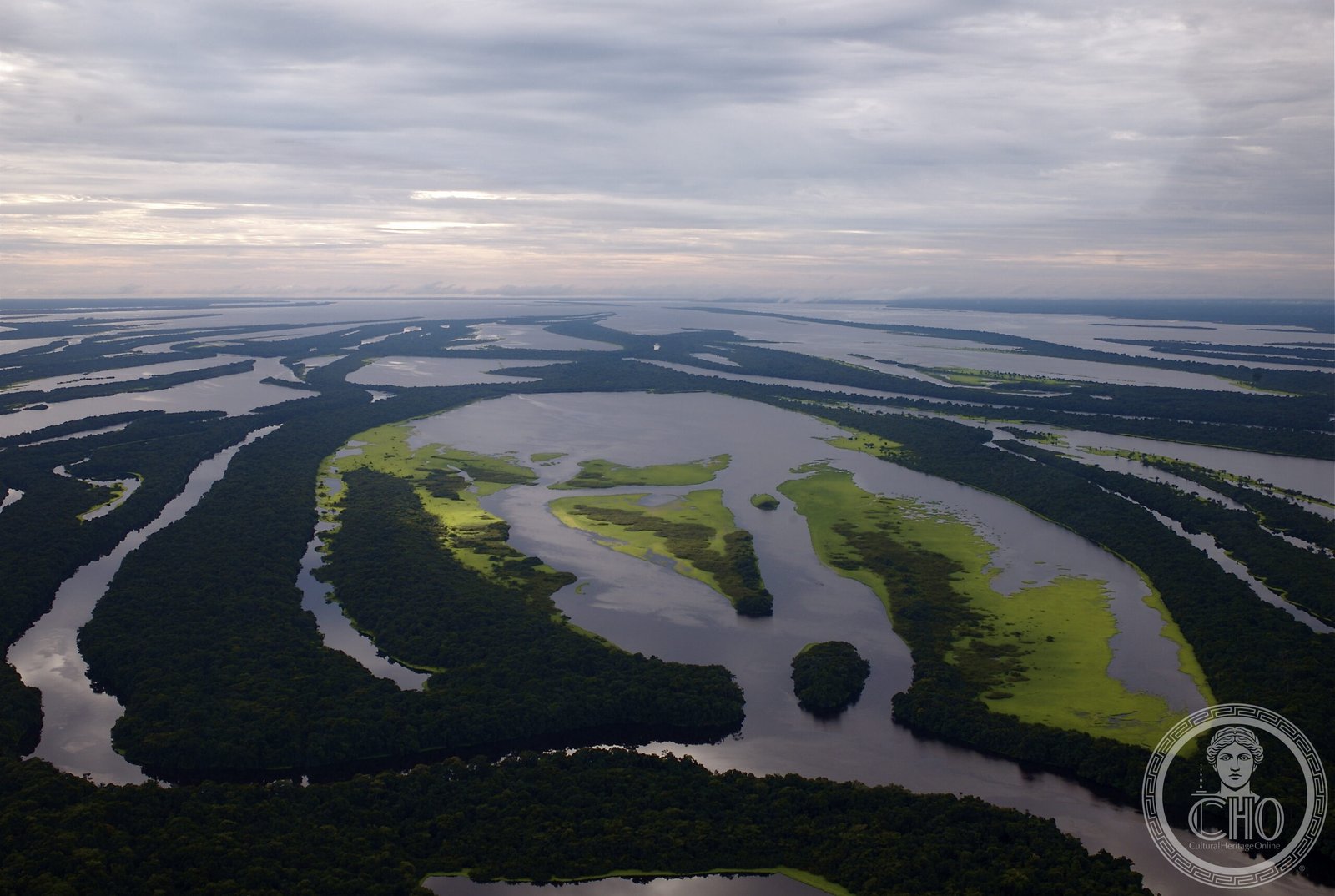
A vast river archipelago of thousands of islands scattered across the Rio Negro, this protected wilderness represents one of the Amazon’s most distinctive ecosystems and a UNESCO World Heritage Site.
At a glance
Anavilhanas National Park protects an immense archipelago within the Rio Negro in Brazil’s Amazonas state. The park encompasses thousands of islands amid one of the world’s largest river systems, creating a landscape of water, forest, and extraordinary biodiversity.
History
The archipelago has been part of the Amazon basin for millennia, shaped by the Rio Negro’s seasonal flooding and currents. Its designation as a national park reflects Brazil’s commitment to preserving the region’s ecological and scientific value.
What you see
The park’s defining feature is its intricate network of islands, ranging from tiny sandbars to densely forested landmasses. Seasonal water level fluctuations—sometimes exceeding 40 feet—transform the landscape throughout the year, creating distinct ecosystems during flood and dry seasons.
Cultural significance
Anavilhanas holds status as part of a World Heritage Site, recognizing its global environmental importance. The archipelago supports exceptional biodiversity and serves as a vital refuge for Amazonian species, contributing significantly to scientific understanding of tropical river ecosystems.
Key facts
- Location: Rio Negro, Amazonas state, Brazil
- Coordinates: -2.39°, -60.92°
- UNESCO World Heritage Site designation
- Comprises thousands of islands
Practical information & getting there
Access is primarily by river from Manaus, the capital of Amazonas state. The park’s remote location and river-dependent access require planning; guided tours and authorized operators provide the safest means of exploration during the dry season.
Sources & resources
Find it on the map
See this place and what’s around it →📷 Become a Cultural Heritage Online photographer
Share your photos of places: they stay published under your name as the author. The more they're seen, the more you get noticed — and soon a contest will reward the most appreciated photos.
Log in or sign up free to add a photo