

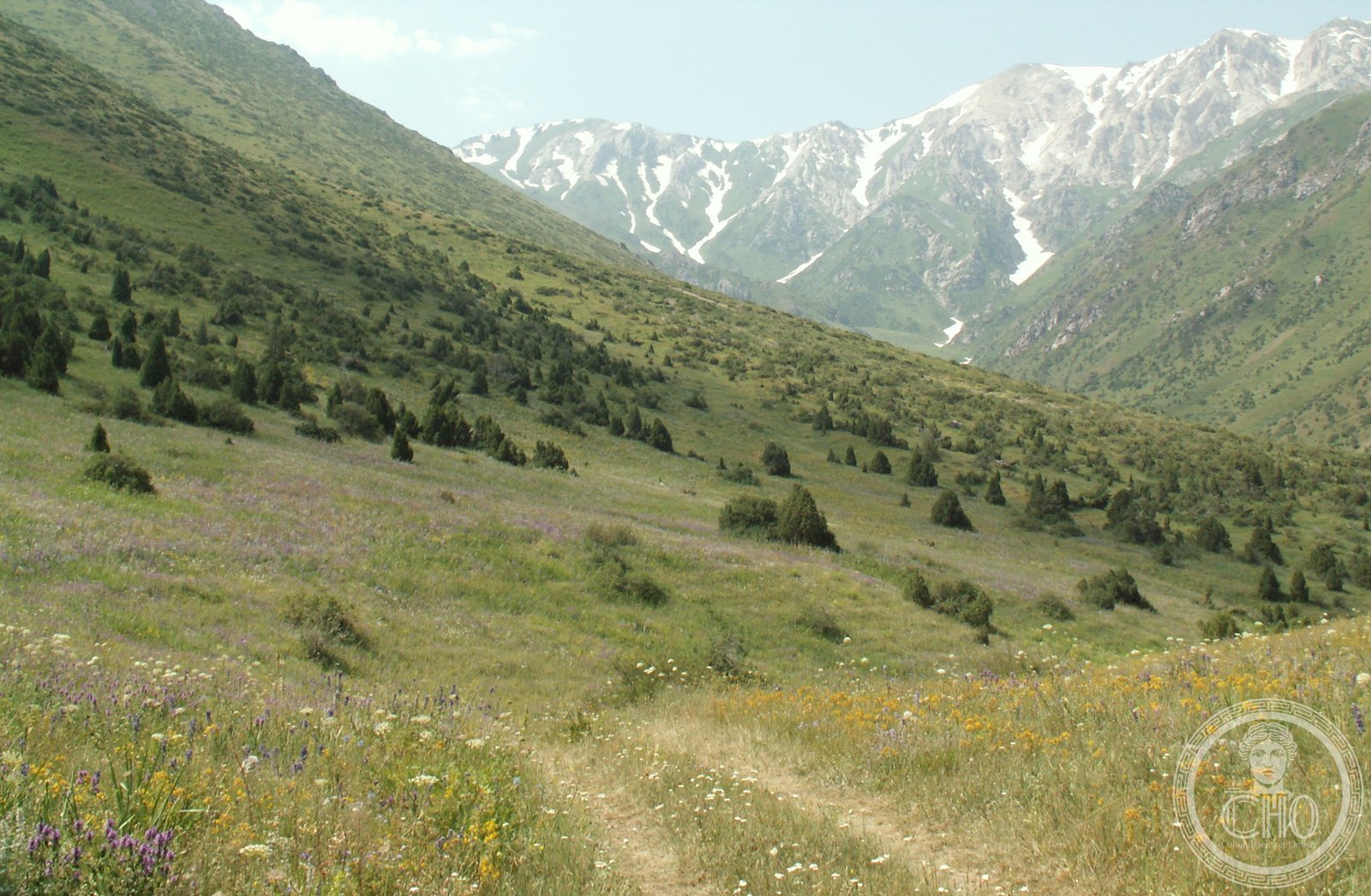
Central Asia’s oldest protected wilderness, protecting the northwestern reaches of the Tian Shan mountains and the valley of the Aksu river.
At a glance
Aksu-Zhabagly Nature Reserve holds the distinction of being the oldest nature reserve in Central Asia. Spanning the northwestern mountain chains of the Tian Shan range in southern Kazakhstan, it encompasses a landscape of ecological and geographical significance shaped by two principal features: the Aksu river, the largest watercourse in the region, and the Zhabagly mountain chain that rises in the northern sector of the reserve.
History
As the earliest protected area of its kind in Central Asia, the reserve represents a pioneering effort in regional conservation. Its establishment reflected growing recognition of the need to safeguard the unique ecosystems and biodiversity found within the Tian Shan mountains.
What you see
The landscape combines high mountain terrain with river valleys. The Aksu river cuts through dramatic topography, while the Zhabagly chain defines the northern boundary with steep slopes and alpine zones characteristic of the western Tian Shan.
Cultural significance
The reserve preserves a critical natural heritage site for Central Asia. Its protected status ensures the survival of endemic species and ecosystems dependent on the region’s mountain climate and water systems.
Key facts
- Country: Kazakhstan
- Location: Southern province, northwestern Tian Shan mountains
- Coordinates: 42.38°N, 70.61°E
- Historic significance: Oldest nature reserve in Central Asia
Practical information & getting there
The reserve is situated in southern Kazakhstan within the Tian Shan mountain range. Specific access information and visitor facilities are best obtained through current travel resources and Kazakhstan’s nature conservation authority.
Sources & resources
Find it on the map
See this place and what’s around it →
📷 Become a Cultural Heritage Online photographer
Share your photos of places: they stay published under your name as the author. The more they're seen, the more you get noticed — and soon a contest will reward the most appreciated photos.
Log in or sign up free to add a photo