

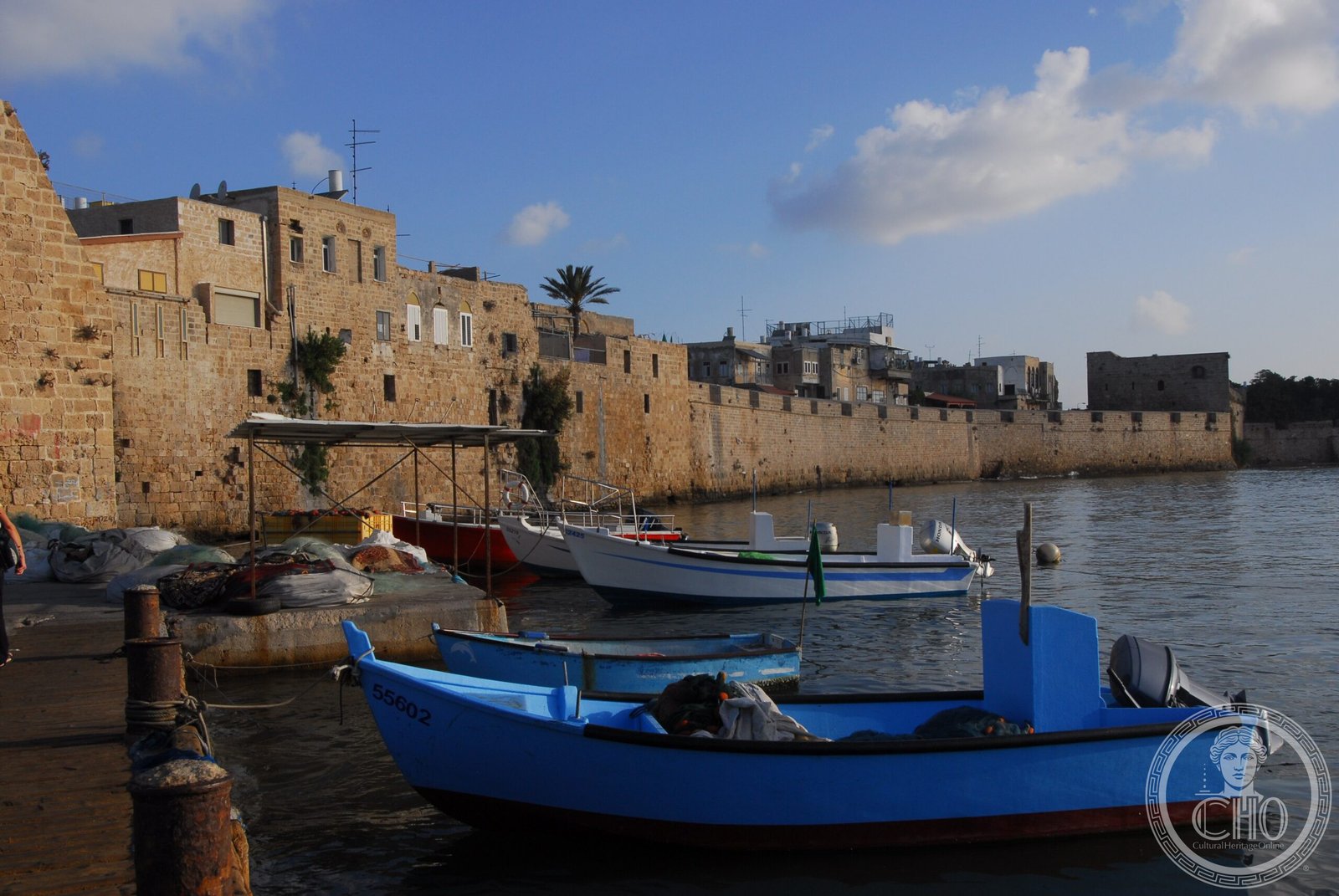
A Mediterranean port city of extraordinary antiquity, Acre has commanded the northern coast of the Levant for millennia. Continuously inhabited since the Middle Bronze Age, it remains one of the world’s oldest living settlements, its strategic harbour and crossroads location shaping empires and faiths across three thousand years.
At a glance
Acre sits in a natural harbour at the extremity of Haifa Bay, on the Levantine coast. Its position made it a crucial waypoint for both maritime trade and the inland routes of the Jezreel Valley. The city has been continuously inhabited since the Middle Bronze Age, though it was abandoned after an Early Bronze Age settlement lasted only a few centuries.
History
During the Crusades, Acre became a maritime stronghold of immense strategic importance, hosting major sieges in 1189–1191 and 1291. It remained the last Crusader foothold in the Holy Land until 1291, when Mamluk forces captured and destroyed it. For centuries thereafter, the city survived as a modest fishing village until its revival under Daher al-Umar in the eighteenth century.
In 1947, Acre was part of Mandatory Palestine with a population of 13,665. The 1948 Arab–Israeli War transformed the city’s demographics: its Palestinian-Arab population was largely displaced and replaced by Jewish immigrants. Today it is one of Israel’s mixed cities, with significant Arab, Muslim, Christian, Druze, and Baháʼí communities.
What you see
The Old City of Acre preserves substantial medieval and Ottoman structures within its fortified walls, including remains from the Crusader era alongside later Islamic architecture. The urban fabric reflects centuries of layered occupation and rebuild.
Cultural significance
Acre holds profound religious meaning for the Baháʼí Faith, which recognizes it as the holiest city in Israel and a major pilgrimage destination. The city’s multicultural present—home to Jews, Muslims, Christians, Druze, and Baháʼís—embodies the Mediterranean’s historical role as a crossroads of cultures and religions.
Key facts
- Country: Israel
- Coordinates: 32.928°N, 35.082°E
- UNESCO World Heritage Site: Yes (Old City of Acre)
- Population (2024): approximately 52,885
- Arab population: 32% of total
Practical information & getting there
The Old City is accessible to visitors year-round. You can reach Acre by car or public transport from Haifa, about 15 kilometres south. The site welcomes pilgrims and tourists; inquire locally about visiting hours and religious observances, particularly in Baháʼí sanctuaries.
Sources & resources
Find it on the map
See this place and what’s around it →📷 Become a Cultural Heritage Online photographer
Share your photos of places: they stay published under your name as the author. The more they're seen, the more you get noticed — and soon a contest will reward the most appreciated photos.
Log in or sign up free to add a photo