

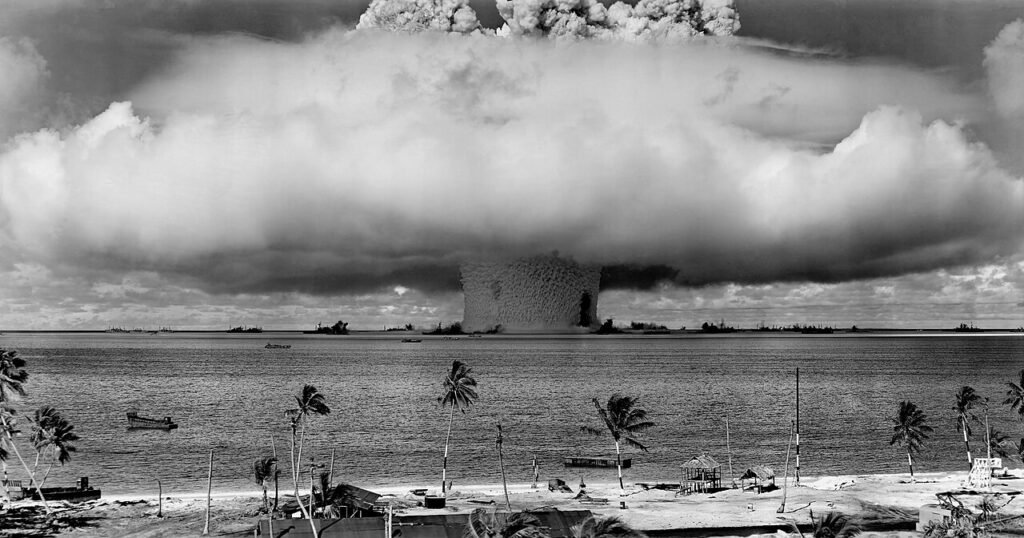
UNESCO Heritage Sites Near Bikini Atoll, Majuro
The Marshall Islands’ only UNESCO site — Bikini Atoll Nuclear Test Site (2010) — lies 850 km from Majuro; 23 nuclear tests were conducted here between 1946 and 1958, including the first hydrogen bomb.
The Marshall Islands’ only UNESCO site — Bikini Atoll Nuclear Test Site (2010) — lies 850 km from Majuro; 23 nuclear tests were conducted here between 1946 and 1958, including the first hydrogen bomb.
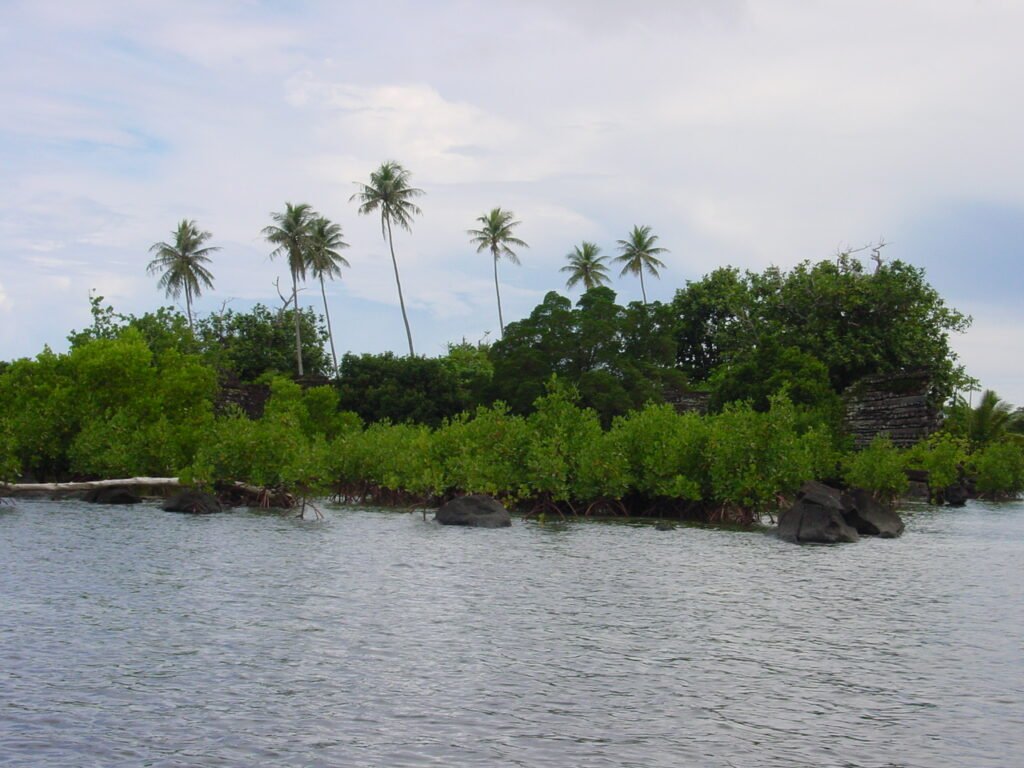
Palikir shares Pohnpei island with Nan Madol — a UNESCO-inscribed (2016) city of 92 basalt islets built in a tidal lagoon by the Saudeleur dynasty between 1200 and 1600 AD, 20 km from the capital.
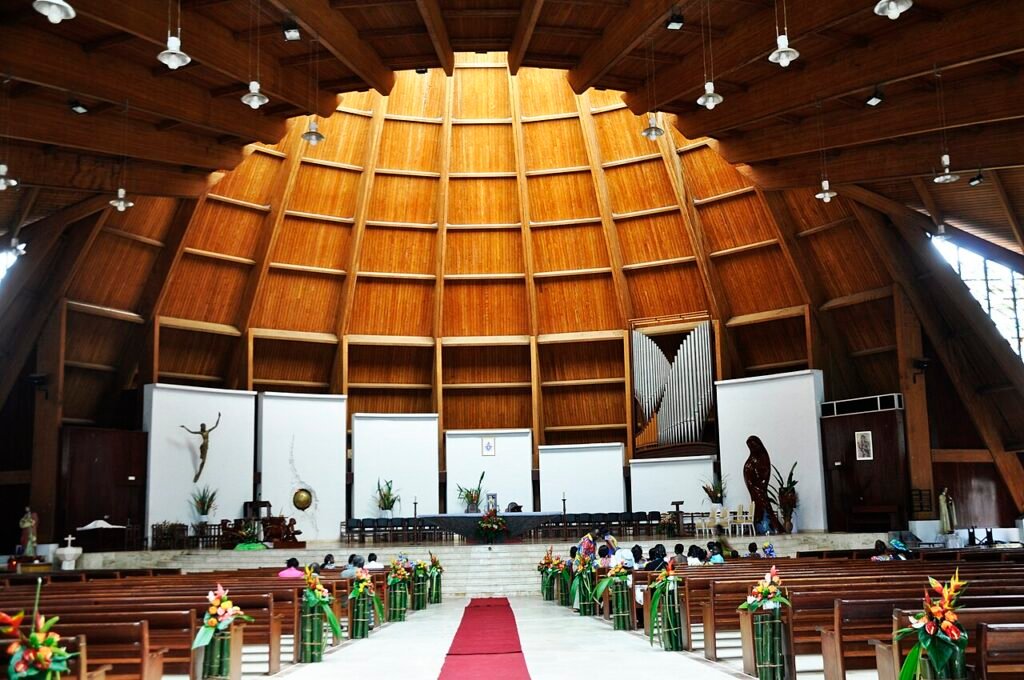
From Yaoundé, two UNESCO sites: Dja Faunal Reserve (250 km, gorillas and forest elephants) and the Sangha Trinational Forest (600 km, 750,000 ha of continuous Congo Basin wilderness).
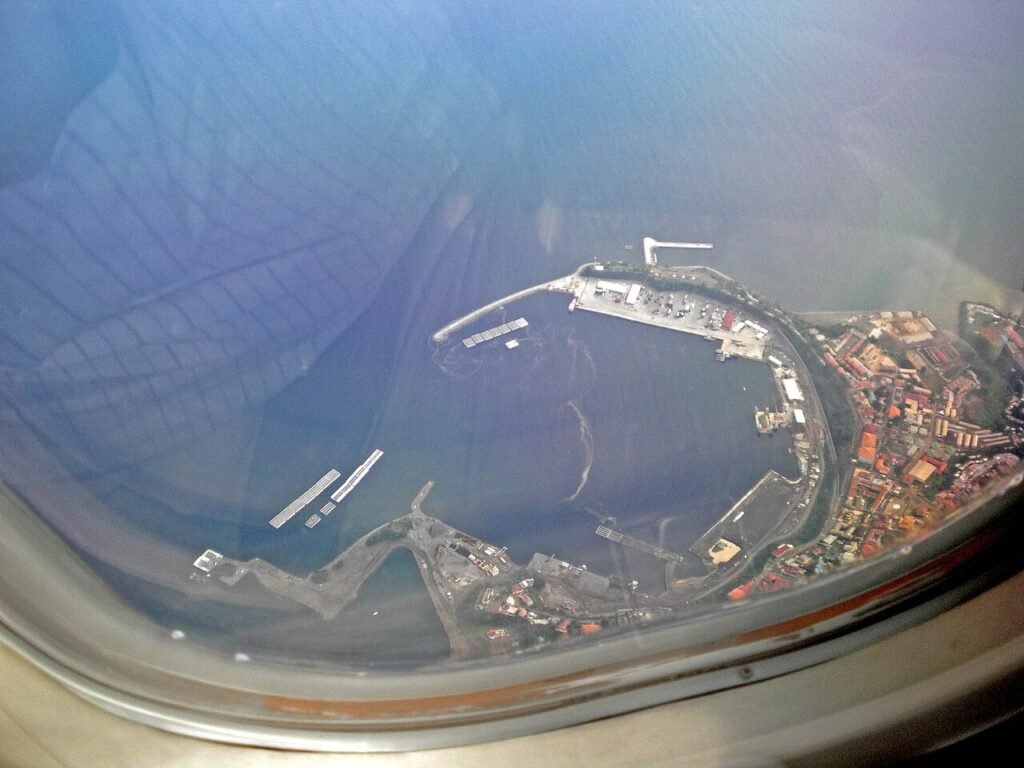
Equatorial Guinea has no UNESCO sites. From Malabo, the nearest inscribed sites are Cameroon’s Dja Faunal Reserve (450 km, gorillas and forest elephants) and Gabon’s Lopé-Okanda National Park.
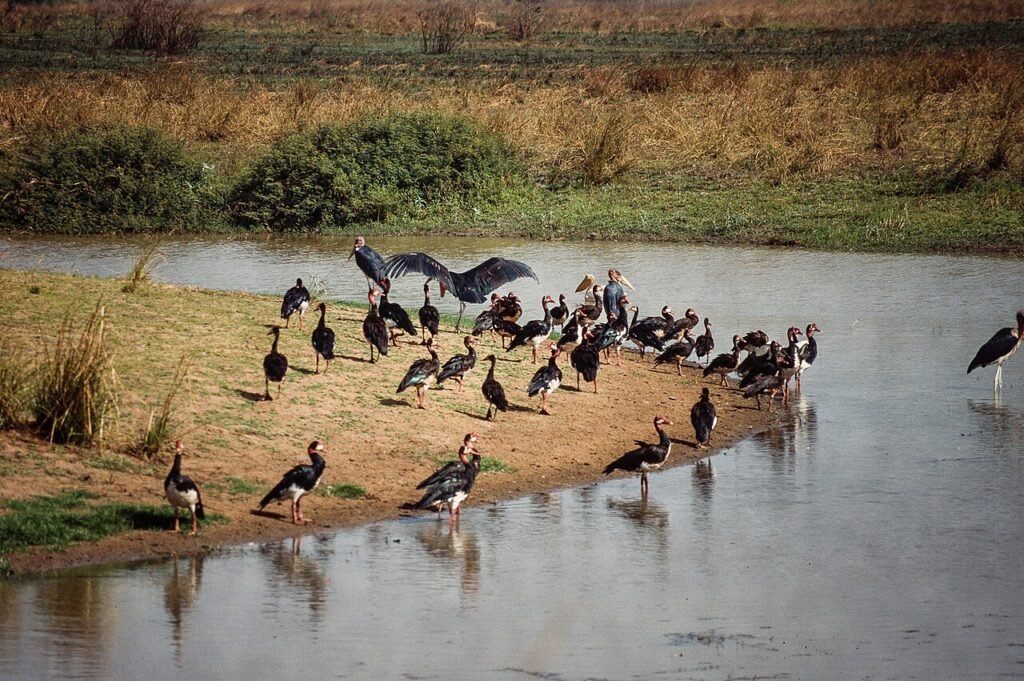
The CAR’s only UNESCO site — Manovo-Gounda St Floris National Park (1988, 500 km north of Bangui) — has been on the Danger List since 1997 and is currently inaccessible due to ongoing armed conflict.
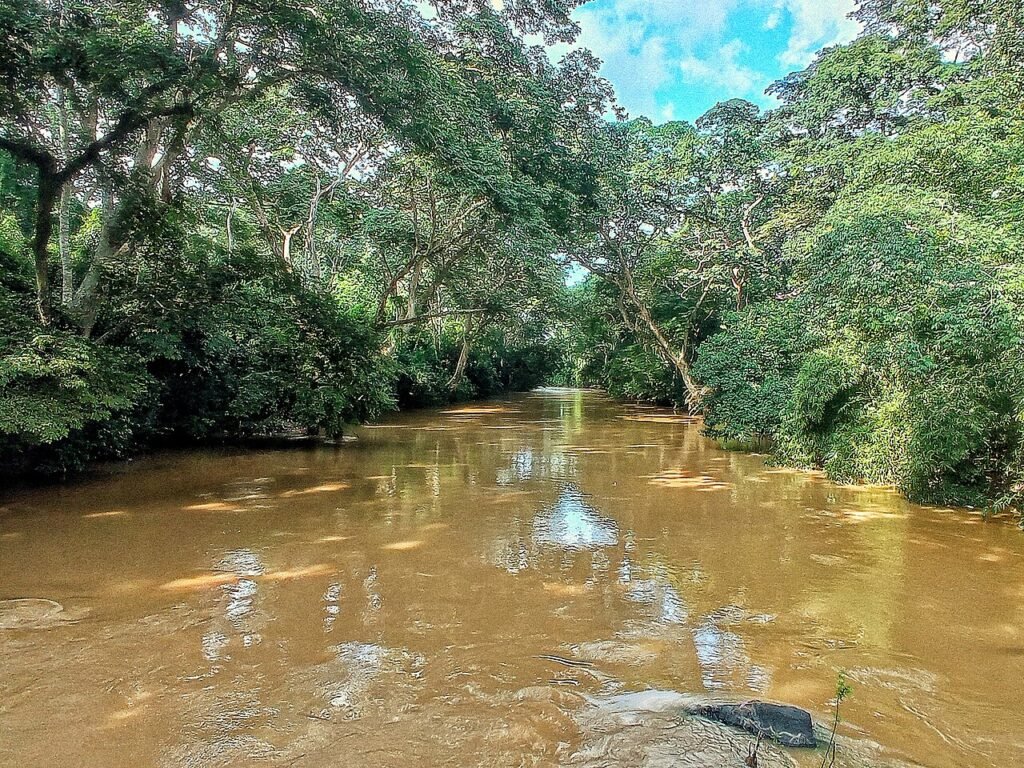
From Abuja, two Nigerian UNESCO World Heritage Sites: the Yoruba Osun-Osogbo Sacred Grove (250 km south) and the Sukur Cultural Landscape iron-smelting mountain chiefdom (500 km northeast).
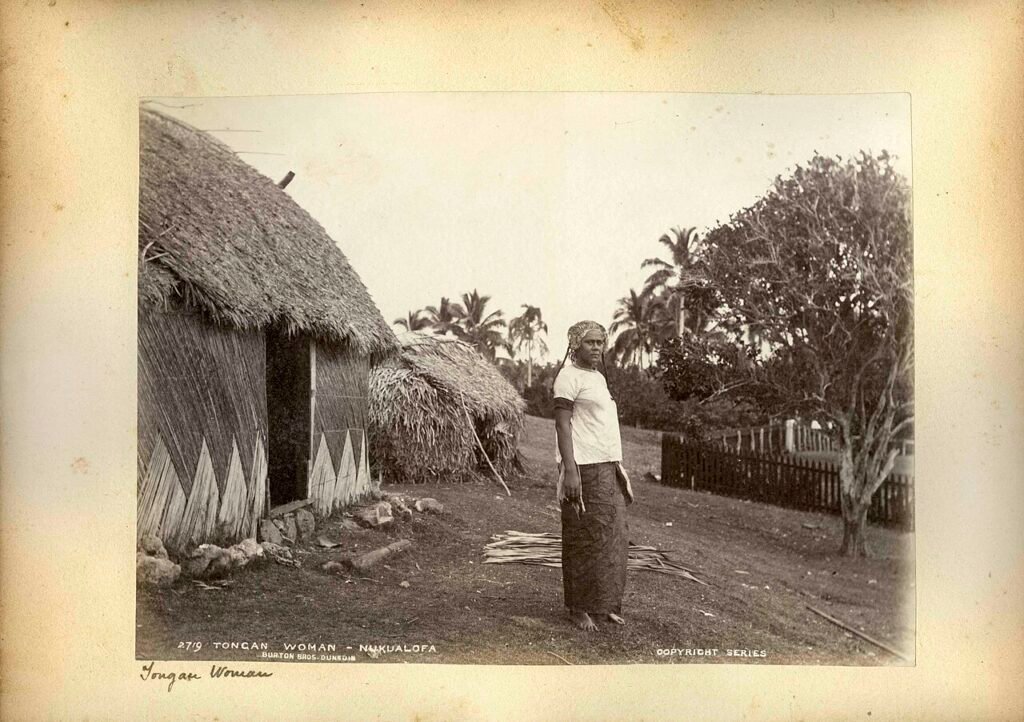
Tonga has no UNESCO sites, but the Ha’amonga ‘a Maui trilithon (built c. 1200 AD, 35 km east of Nuku’alofa) and the royal burial mounds of Lapaha are among the most significant heritage monuments in the Pacific.
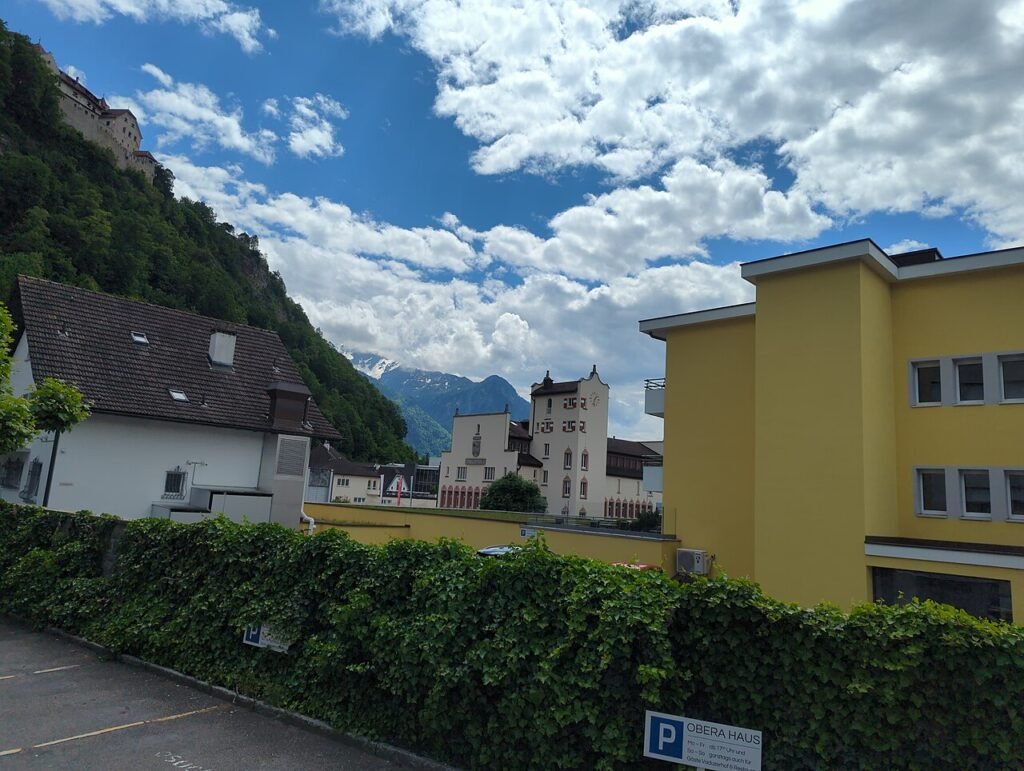
Liechtenstein has no UNESCO sites, but from Vaduz you can reach prehistoric Lake Constance pile dwellings (70 km) and the Swiss Tectonic Arena Sardona (60 km) in under an hour.
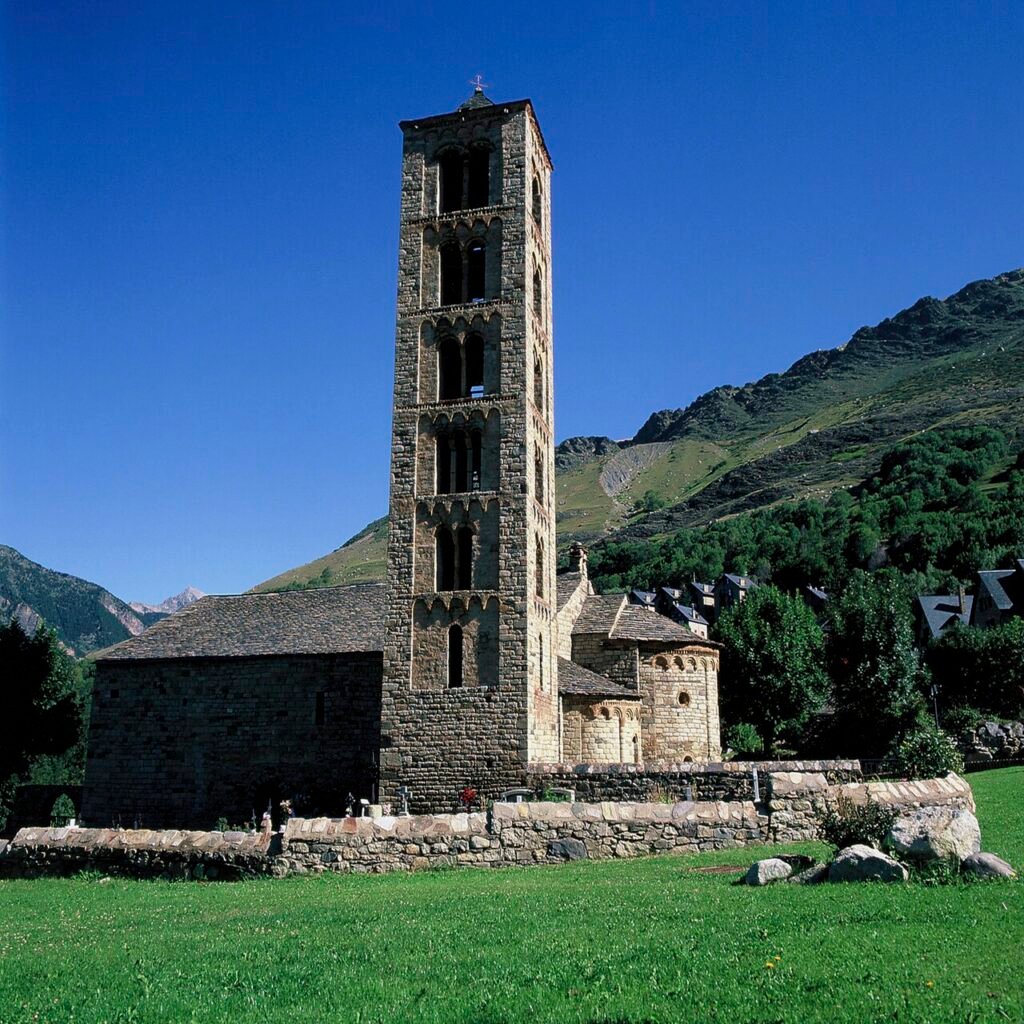
Andorra has no UNESCO sites, but the Catalan Romanesque Churches of the Vall de Boí lie 100 km southwest and the Pyrenees-Mont Perdu landscape 200 km east — both reachable as day trips.