


Bruno Munari: Magazine Cover Design (1939)
A magazine cover illustrated by Bruno Munari in 1939. The work exemplifies the Italian artist’s wide-ranging engagement with visual design and modernist principles.
A magazine cover illustrated by Bruno Munari in 1939. The work exemplifies the Italian artist’s wide-ranging engagement with visual design and modernist principles.

Mistero aereo is an abstract aeropittura painting by Fillia (Luigi Colombo), executed in 1930–31. The work exemplifies the most abstract current of Futurist aeropittura and is held at the Museo dell’Aeronautica Gianni Caproni in Trento.

An advertising poster designed by Italian painter and scenic designer Enrico Paulucci in 1932. Paulucci was a founding member of the Gruppo dei Sei, a Turin-based artistic collective.

La tempesta is a 1931 painting by Italian artist Ferruccio Ferrazzi. The work represents Ferrazzi’s mature period as a painter and professor at Rome’s Accademia di Belle Arti.
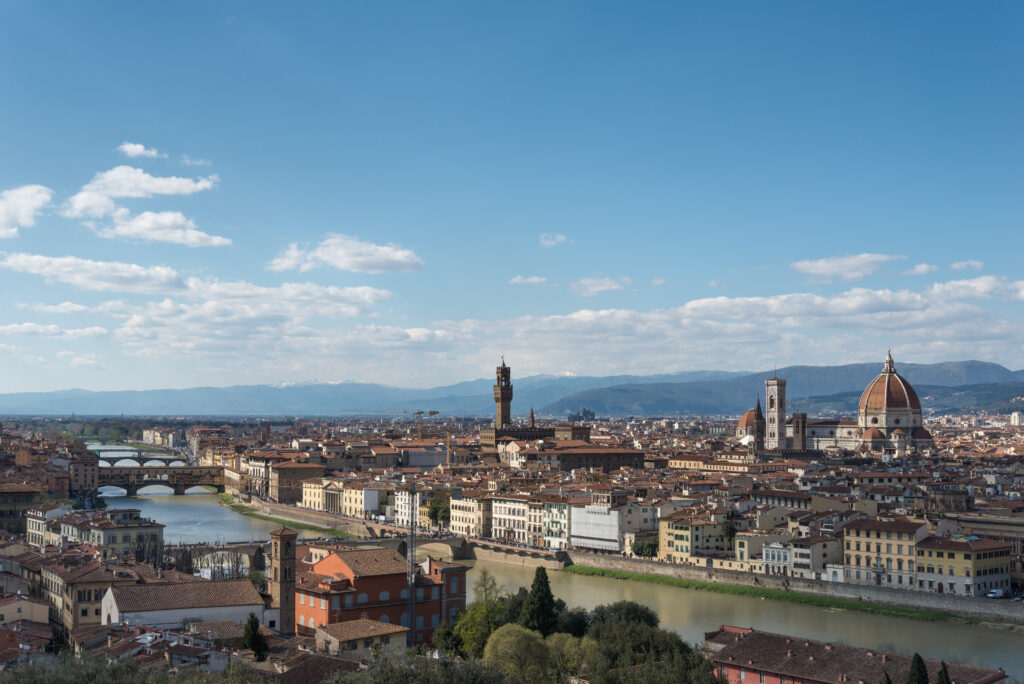
Florence, situated in the heart of Tuscany, is a city of immense cultural influence with a population of over 380,000 inhabitants. Founded in Roman times and reaching its cultural peak during the Renaissance through patrons like the Medici family and artists including Leonardo da Vinci and Michelangelo, the city remains a vital centre for art and modern innovation.
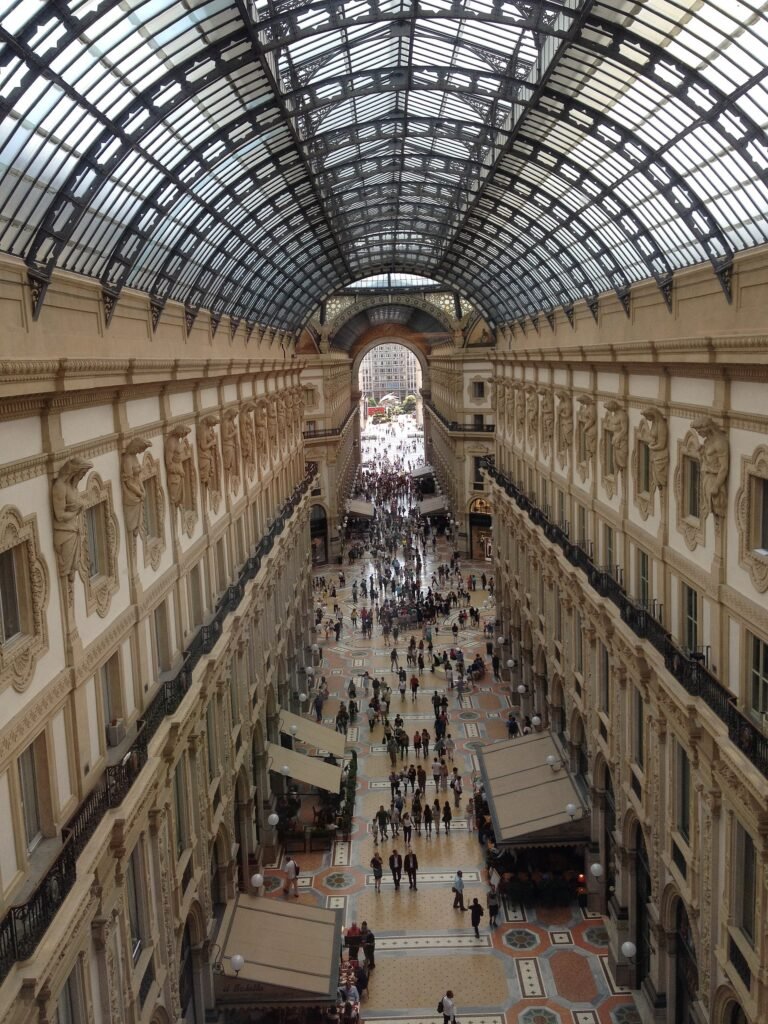
Italy’s artistic heritage spans centuries, from Renaissance masters to contemporary innovators, shaping global culture. Architecture, sculpture, painting and decorative arts remain central to Italy’s enduring influence worldwide.

Angelo Canevari designed decorative mosaics depicting the history of flight for the courtyard of the former Aeronautical College in Forlì. The mosaics reflect the artist’s mastery of this medium across major Italian public commissions.

Dux is a 1933 painting by Italian artist Uberto Bonetti, created during his engagement with Futurist aeropittura. The work reflects Bonetti’s artistic movement toward dynamic, flight-inspired compositions.

A mosaic detail from Foro Italico in Rome, designed by Gino Severini and Giulio Rosso, laid by artisans from the Friuli School of Mosaic. The sports complex was built between 1928 and 1938.