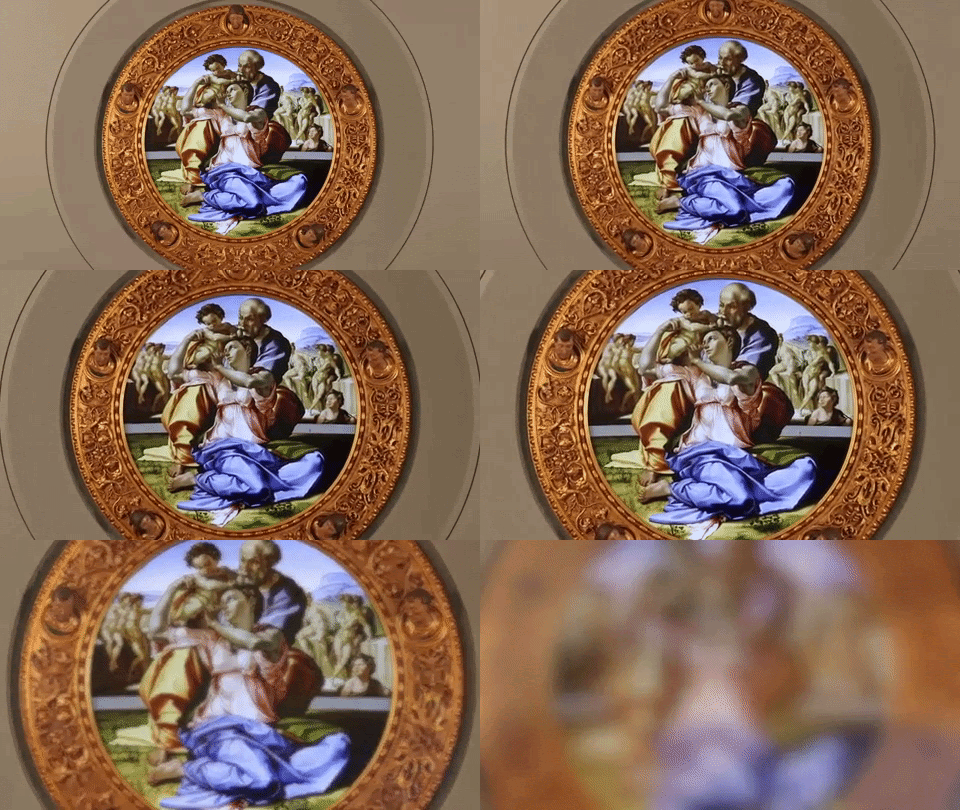
In November 2021, the Uffizi Gallery in Florence announced the sale of a non-fungible token (NFT) based on Michelangelo’s Doni Tondo for $170,000. The transaction represented the gallery’s entry into the cryptocurrency art market, positioning the institution at the forefront of digital cultural commerce.
The Uffizi authenticated the physical artwork while Cinello, a partner organization, created and managed the digital duplicate. According to Eike Schmidt, the gallery’s director, the initiative was designed as a supplementary revenue stream. “In the medium term, NFT sales could contribute to a museum’s finances in a manner comparable to revenue from food and beverage operations,” Schmidt stated. “It is not a shift in the direction of income; it is additional revenue. However, creating such a market is not a rapid process.”
Context and Impact
The move came as museums worldwide faced financial pressures from pandemic-related closures and reduced visitor numbers. For the Uffizi and similar institutions, the NFT sales represented a potential lifeline during a period when physical attendance remained disrupted. The transaction demonstrated that major cultural institutions were exploring blockchain technology as a means of diversifying income while maintaining control over the authentication and provenance of their collections.
Explore more: 118 heritage places in Firenze
Frequently asked questions
Who authenticated the physical artwork and who created the digital copy?
The Uffizi Gallery authenticated the physical Doni Tondo, while Cinello created and managed the digital NFT version.
How did Director Eike Schmidt characterize the financial impact of NFT sales?
Schmidt described NFT sales as supplementary revenue comparable to museum food and beverage operations, not as a primary shift in income strategy, while acknowledging that establishing such a market required time.