
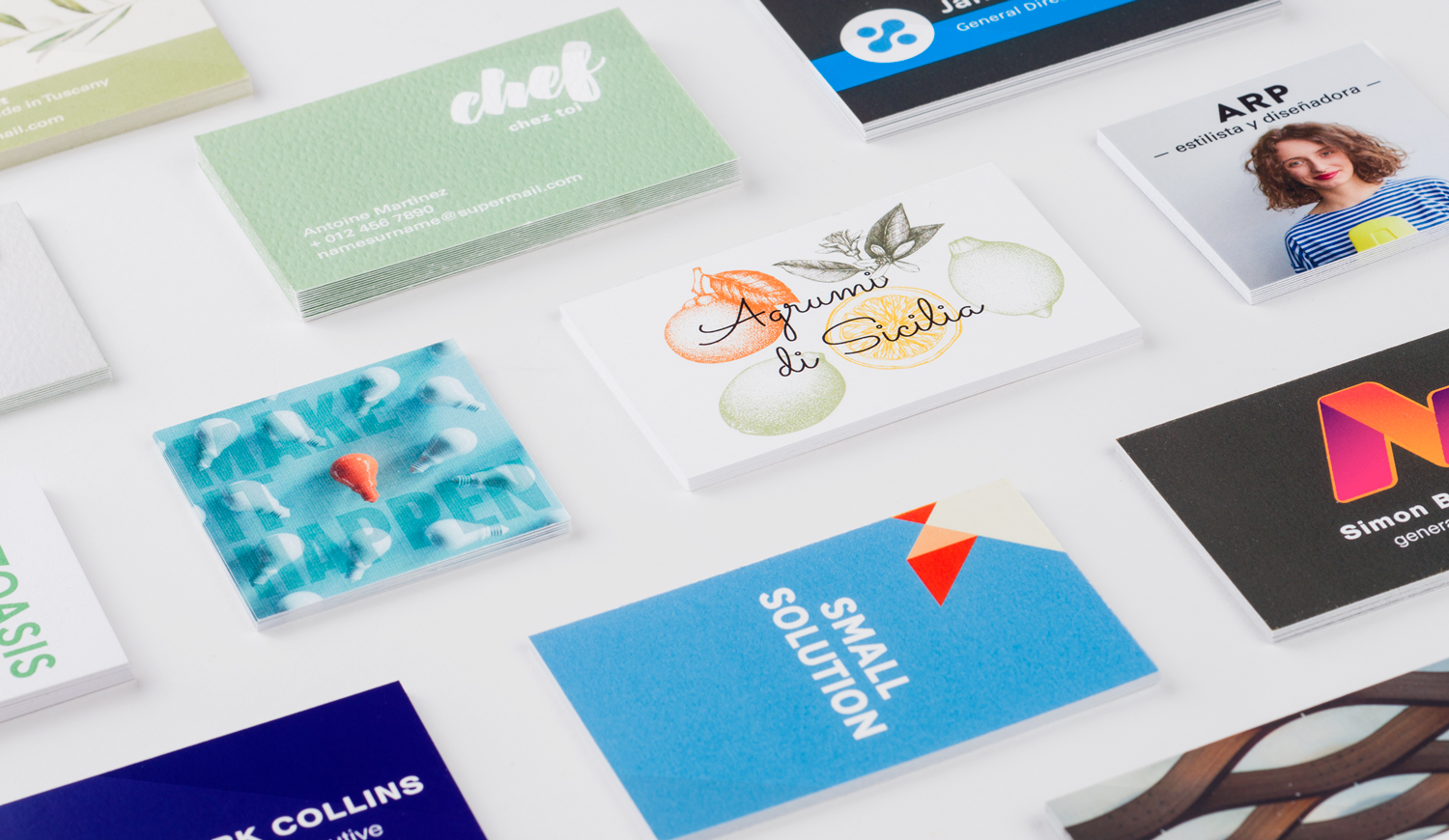
Published in November 2021, the business card remains the simplest and most widely circulated advertising tool in use. Its primary function is to create a positive impression on potential clients through clean, professional design that reflects the sender’s image and identity. Whether in the restaurant industry, perfume production, or any other field, the business card is typically the first element a prospective client encounters, serving as an initial indicator of who you are, what work you do, and most importantly, your level of professionalism.
Beyond making a favourable first impression, a well-designed business card helps establish and promote a company, agency, or brand while expanding one’s network of contacts. Conversely, a poorly designed card can damage credibility and leave a negative perception of your services and professional standing. Creating a business card represents an economic investment but one that is essential to building and maintaining a positive professional image.
Essential Information for Business Cards
A business card must include several key elements to be effective. The company logo should be prominent and clearly visible, serving as the card’s visual anchor. The business name must have adequate space, typically integrated with the logo or displayed separately if necessary. The cardholder’s full name should be written clearly and legibly to aid memorability.
Contact details are crucial: the office or headquarters address allows clients to visit in person, while both landline and mobile telephone numbers enable follow-up communication. A website provides potential clients with the opportunity to learn more about the business. Finally, a tax identification number (partita iva) adds legitimacy and security, demonstrating that you operate as a registered business and can issue invoices when needed.
Design and Layout Considerations
Business cards may be printed on the front only or on both front and back, depending on the volume of information to be displayed and the size requirements of the logo. The card’s design must reflect the company’s identity, with the layout remaining consistent with the overall professional image of the business.
No rigid rules dictate a single business card format; design can vary according to the information required, the type of activity or profession being represented, the specific company, and the target audience. Alternative and creative designs are entirely viable provided they maintain professional standards and effectively communicate the necessary contact and brand information.
Frequently Asked Questions
What information must a business card contain?
A business card should include the company logo, business name, cardholder’s full name, office address, telephone numbers (both landline and mobile), website, and tax identification number (partita iva) to establish credibility and provide clients with multiple contact methods.
Should a business card be printed on one side or both sides?
Business cards can be printed on the front only or on both front and back, depending on the amount of information to be included and the space requirements of the company logo.
How does a business card affect professional image?
A well-designed business card creates a positive first impression and communicates professionalism and credibility, while a poorly designed card can damage perception of your services and business standing.
Sources
- S1 — Munari, Bruno. Design as Art. Penguin Modern Classics, 2008. ISBN 978-0-14-103581-9.
- S2 — Kotler, Neil G., Philip Kotler, and Wendy I. Kotler. Museum Marketing and Strategy. Jossey-Bass, 2008. ISBN 978-0-7879-9691-8.
Spotted an error? Write to editorial@culturalheritageonline.com and we correct it the same day.


