Sources
- S1 — Prinz, Aloys. Genossenschaften im Wandel: 75 Jahre REWE. Gabler Verlag, 2002. ISBN 978-3-409-12128-6.
- S2 — Brazda, Johann, and Robert Schediwy, eds. Konsumgenossenschaften im Wandel der Zeit. Verlag für Gesellschaftskritik, 1989. ISBN 978-3-900351-98-4.
In 1927, in the commercial city of Cologne, seventeen independent cooperative purchasing associations representing hundreds of neighborhood grocers joined forces to form the Revisionsverband der Westkauf-Genossenschaften (contracted as REWE). Established to protect local shopkeepers and ensure stable food distribution amidst post-inflationary Weimar economic instability, REWE established a cooperative retail model that grew into one of Europe’s largest trade and tourism groups.
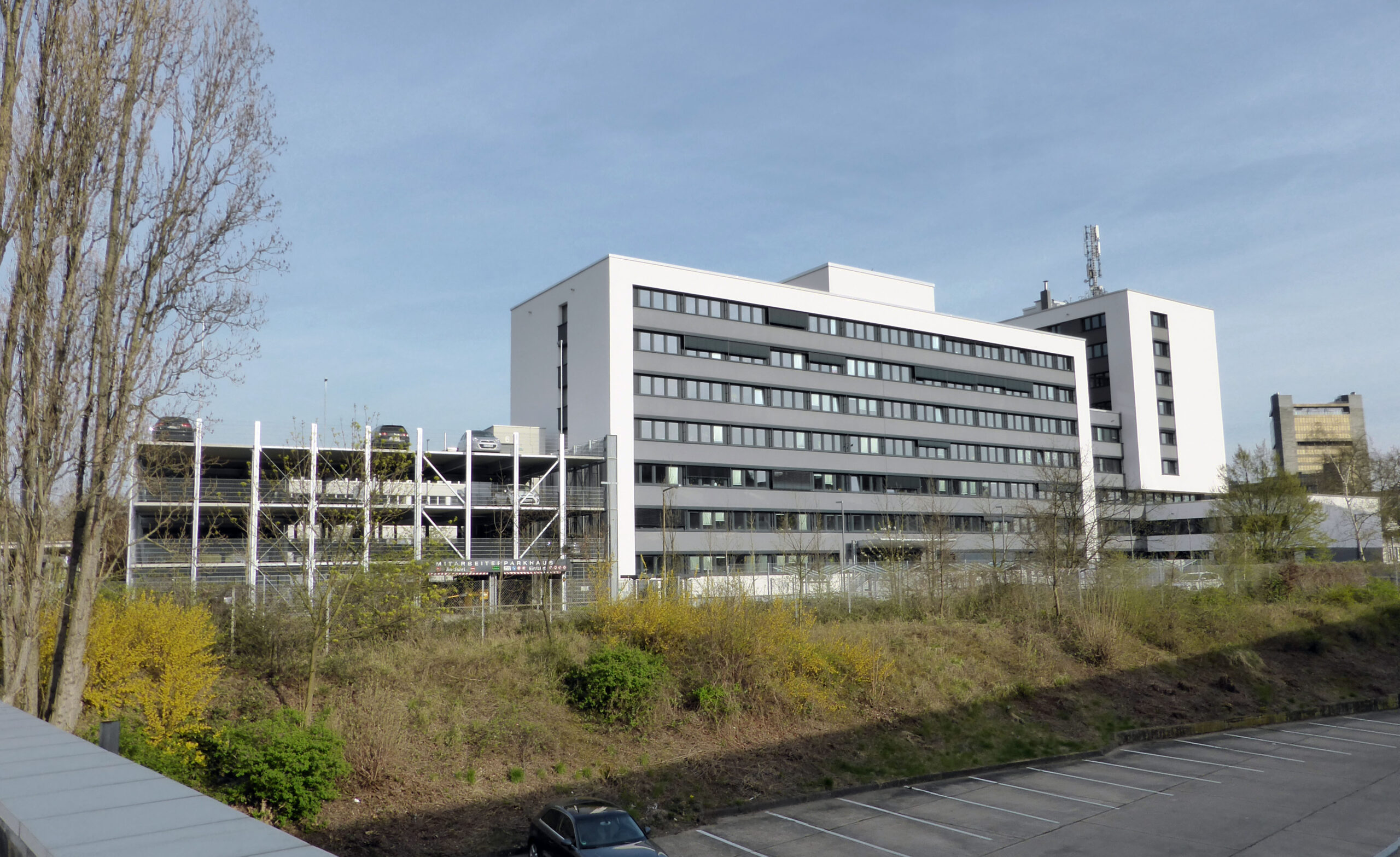
The Rhineland Cooperative Union: Solidarity Against Monopolies
Following the severe hyperinflation of 1923, small independent grocers (*Kolonialwarenhändler*) throughout the Rhineland and Ruhr valley faced intense competition from large wholesale syndicates and emerging department stores. In 1927, seventeen regional purchasing cooperatives met in Cologne to pool their purchasing volume, forming REWE to negotiate fair commodity prices and secure wholesale supply chains for independent neighborhood stores.
By centralizing purchasing logistics in Cologne while preserving the independent ownership of member grocers, REWE proved that cooperative coordination offered resilience and cost advantages in consumer staples distribution.
From Cologne Warehouses to European Organic Leadership
Throughout the postwar decades, REWE expanded into self-service supermarkets, cold-chain logistics, and regional agricultural sourcing. In subsequent years, the group introduced organic product lines (*Rewe Bio*), sustainable store design standards, and diversified into European leisure travel through DER Touristik.
Headquartered on Domstraße 20 in Cologne, REWE Group remains rooted in its cooperative structure (cooperatively owned by its member retailers). As it approaches its 1927–2027 centenary, REWE continues to operate as one of Europe’s foremost retail employers and cooperative commercial institutions.
Trade and Distribution: Cooperative Produce Markets and Commercial Logistics
Original historical newsreel from the Istituto Luce Cinecittà Archive documenting wholesale food markets, cooperative grocers, and modern interwar goods distribution networks; this is period footage illustrating the era of commercial logistics and does not show REWE Group. (Source: Historical Archive Istituto Luce Cinecittà / Period Newsreels)
Interactive 360° Heritage View: REWE Group Central Headquarters & Historic Administration
Historical Location: Domstraße 20, 50668 Cologne, North Rhine-Westphalia, Germany (Coordinates: 50.9385, 6.9078)