In 1928, Danish shipping magnate Arnold Peter Møller launched the first regular transpacific cargo liner service under the name Mærsk Line, dispatching the motorship Leise Mærsk from Baltimore through the Panama Canal to the Far East. Marked by its legendary seven-pointed white star on a sky-blue flag, Maersk Line transformed from a modest tramp steamer operator into the definitive global architect of intermodal containerized trade and ocean supply chains.
The 1928 Liner Leap: From Tramp Steaming to Scheduled Ocean Highways
In the 1920s, international merchant shipping was dominated by tramp steamers that drifted unpredictably from port to port seeking whatever cargo was available. Arnold Peter Møller (1876–1965), co-founder of Dampskibsselskabet Svendborg, recognized that modern global industry required reliable, scheduled liner services with guaranteed departure and arrival times. In 1928, Møller made the audacious gamble to commission five brand-new, diesel-powered 7,000-ton cargo vessels and establish the Mærsk Line service.
On July 12, 1928, the newly completed Leise Mærsk sailed from Baltimore, traversing the Panama Canal and reaching ports across Japan, China, and the Philippines. Offering unprecedented cargo punctuality and refrigerated hold space, Maersk Line forged a vital commercial bridge between the Americas and Asia.
The Container Revolution: The Blue Hull Empire and Esplanaden
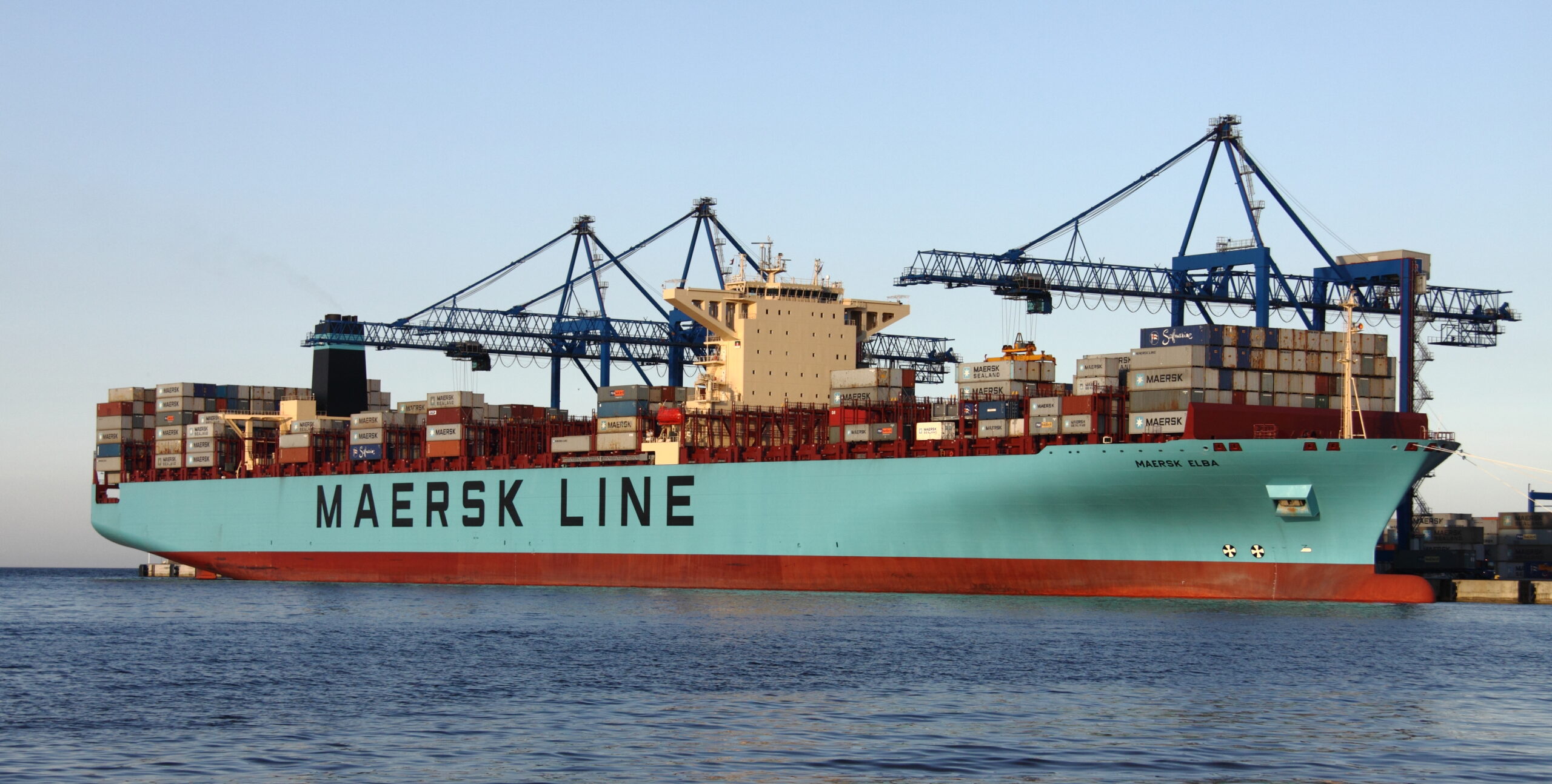
Under the stewardship of Arnold Peter’s son, Mærsk Mc-Kinney Møller, the company embraced the intermodal container shipping revolution in the 1970s. Ordering pioneering cellular vessels painted in the company’s distinctive pale blue hull livery, Maersk built a seamless network of deep-water terminals, container depots, and inland rail logistics that carried more than a sixth of the world’s manufactured commerce.
Headquartered at Esplanaden 50 overlooking the harbor in Copenhagen, Maersk Line stands on the threshold of its 2028 liner centenary, leading the maritime industry toward carbon-neutral green methanol propulsion while honoring its foundational Danish seafaring heritage.
I TRASPORTI: logistica navale, navigazione commerciale e grandi rotte marittime
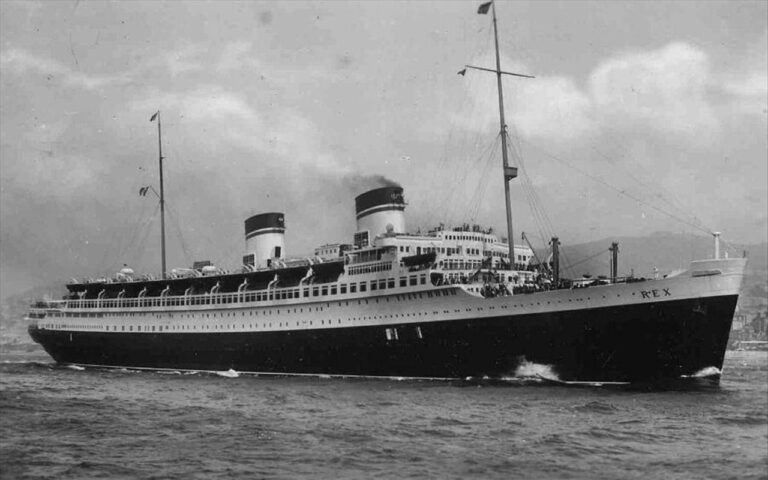
Immagini d'archivio storico dell'Istituto Luce che testimoniano l'epopea della marineria mercantile novecentesca, i grandi porti commerciali e il carico delle merci d'oltremare. (Fonte: Archivio Storico Istituto Luce Cinecittà)
Interactive 360° Street View: A.P. Møller – Mærsk Global Corporate Headquarters
Historical Location: Esplanaden 50, 1098 Copenhagen K, Denmark (Coordinates: 55.6872, 12.5975)
Territorial Map & Location Overview
Sources
- S1 — Holm, Christian. Mærsk: Manden og magten. Gyldendal, 2006. ISBN 978-87-02-04768-4.
- S2 — Jephson, Chris, and Henning Morgen. Creating Global Opportunities: Maersk's Blue Ocean Strategy. Cambridge University Press, 2014. ISBN 978-1-107-03706-9.
Spotted an error? Write to editorial@culturalheritageonline.com and we correct it the same day.