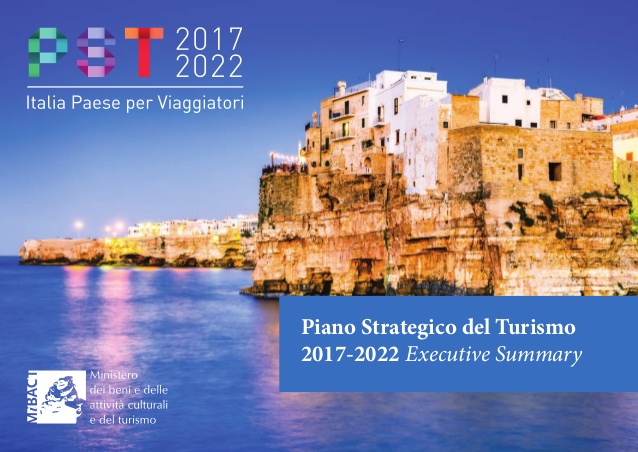
In January 2019, the Italian government presented its Strategic Tourism Plan for 2017–2022, positioning digital innovation and sustainability as central pillars for revitalizing the country’s natural appeal to international visitors and strengthening domestic travel. According to 2017 data cited in the plan, this approach was already yielding results: visitor arrivals were growing, lengths of stay were increasing, and domestic tourism was recovering.
Reinforcing Tourism Infrastructure and Services
The plan emerged from the States General on Tourism held in Pietrarsa in October 2015 and April 2016, which brought together stakeholders across the sector to develop a strategy centered on sustainable tourism development and the valorization of heritage across Italy’s diverse territories. To drive innovation in accommodation and tourism services, the government introduced a digital tax credit to support promotional investments and a requalification tax credit for modernizing hotel facilities. A parity rate regulation also permitted hotels to offer and advertise prices lower than those listed on online platforms with which they held contracts.
Financial backing came through an agreement with Intesa Sanpaolo, establishing a 5 billion euro credit facility over three years to support sector-wide business development. Fiscal measures were extended to tax-free shopping to facilitate VAT refunds for tourists purchasing in Italy and to short-term rental accommodations.
Promoting Place and Craftsmanship
The underlying aim of the strategy was the promotion of territorial identity and the valorization of places, cultural memory, knowledge, and artisanal traditions that constitute Italy’s dispersed network of heritage and beauty. By combining digital tools with sustainable practices, the plan sought to position tourism as a vehicle for broader economic and social development.
Frequently asked questions
What were the main outcomes of the 2017 tourism data?
According to the plan, 2017 data showed growing visitor arrivals, increased length of stay among tourists, and a recovery in domestic tourism.
What financial support did the plan provide to tourism businesses?
An agreement with Intesa Sanpaolo established a 5 billion euro credit facility over three years for loans to sector businesses to support their development activities.
What regulatory changes affected hotel pricing?
The parity rate regulation allowed hotels to advertise and offer prices lower than those listed on contracted online platforms.
Sources
- S1 — Casarin, Francesco. Il marketing dei musei e delle istituzioni culturali. Il Mulino, 2019. ISBN 978-88-15-28514-0.
- S2 — Settis, Salvatore. Italia S.p.A.. L'assalto al patrimonio culturale. Einaudi, 2002. ISBN 978-88-06-16973-2.
Spotted an error? Write to editorial@culturalheritageonline.com and we correct it the same day.