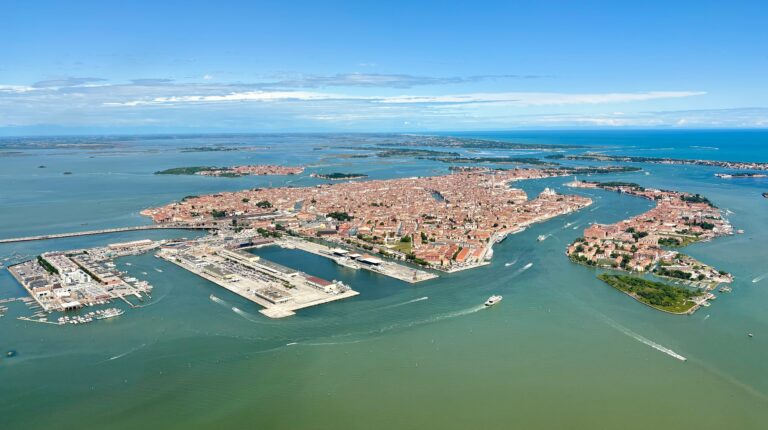
Published in February 2024, this article examines Italy’s position as custodian of 55 UNESCO World Heritage Sites, the largest number held by any single nation, and its engagement with international frameworks for cultural protection.
The Scale of Italian Heritage
Italian law defines cultural heritage through Decree-Law provisions that encompass immovable and movable property of artistic, historical, archaeological, ethno-anthropological, archival, and bibliographic interest. Italy’s 55 UNESCO-inscribed sites reflect compliance with European legislation designed to safeguard and promote the universal value of these locations for future generations.
Beyond individual monuments, Italy protects cultural landscapes including Val d’Orcia, the vineyards of Langhe-Roero and Monferrato, the Sacri Monti, Cinque Terre, and the Cilento National Park. Twelve properties appear on UNESCO’s representative list of intangible cultural heritage, recognizing traditions, customs, and practices central to Italian identity. This designation follows the UNESCO Convention adopted at the General Conference on 16 November 1972, which Italy ratified in 1977.
The Faro Convention Framework
Italy’s commitment to heritage protection extends beyond national law through the Faro Convention (Framework Convention on the Value of Cultural Heritage for Society), adopted on 27 October 2005. This European agreement promotes a participatory approach to cultural heritage, emphasizing active community involvement in conservation and enhancement. Italy’s adoption of the Faro perspective demonstrates how collaboration among public authorities, private entities, and civil society contributes to preserving common cultural inheritance in alignment with current European standards.
Frequently asked questions
How many UNESCO World Heritage Sites does Italy possess?
Italy holds 55 UNESCO World Heritage Sites, more than any other nation, and an additional 12 properties appear on UNESCO’s representative list of intangible cultural heritage.
What is the Faro Convention?
Adopted on 27 October 2005, the Faro Convention is a European agreement promoting participatory protection of cultural heritage through collaboration between public authorities, private entities, and civil society.
What constitutes cultural heritage under Italian law?
Italian law defines cultural heritage as immovable and movable property presenting artistic, historical, archaeological, ethno-anthropological, archival, and bibliographic interest.
Sources
- S1 — Settis, Salvatore. Italia S.p.A.. L'assalto al patrimonio culturale. Einaudi, 2002. ISBN 978-88-06-16345-7.
- S2 — Volpe, Giuliano. Patrimonio al futuro: un manifesto per i beni culturali. Electa, 2015. ISBN 978-88-918-0524-9.
Spotted an error? Write to editorial@culturalheritageonline.com and we correct it the same day.