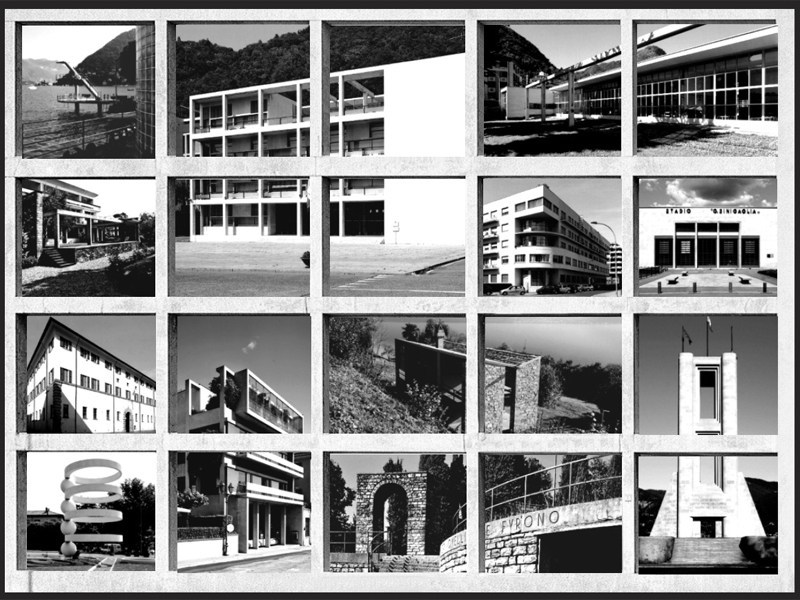
Presented in May 2021, a closed invitation-only Facebook group was established to document and preserve Italian architecture built between 1922 and 1943, a period known as the Ventennio Italiano. The group emerged after a related public page was censored, and it operates under the principle that architectural heritage from any historical period merits conservation and study regardless of the political context in which it was created.
Purpose and Philosophy
The initiative aims to valorize and protect Italian art and architecture from the Ventennio period by collecting photographs and information from members across Italy. Members are invited to contribute images of their local architectural heritage and share knowledge about significant buildings. According to Federica Sacco of the national environmental organization Legambiente, safeguarding buildings from this era represents a commitment to cultural awareness focused on preservation itself rather than on changing political interpretations. “Every historical phase,” Sacco stated, “produces a material reality that reflects its cultural and social character.”
Conservation Concerns
Legambiente research indicates that Italy possesses significant architectural patrimony from this period that deserves proper valorization and use for cultural and social initiatives rather than reduction to purely commercial real-estate purposes. The group operates through a non-governmental national website and maintains membership through invitation to ensure focused, serious engagement with the material.
Frequently asked questions
What is the Ventennio Italiano?
The Ventennio Italiano refers to the twenty-year period from 1922 to 1943 in Italian history.
Why was the original page censored?
The source does not provide specific details about the reasons for the censorship of the original public page.
How can people participate in the group?
The group is closed and membership is by invitation only; members are encouraged to contribute photographs and information about Italian architecture from their cities.