
A living tradition of hunting with trained birds of prey, falconry binds handler and raptor in pursuit of wild game across open landscapes. Rooted in Arabian culture for millennia, the practice persists across continents, connecting hunter, bird, and prey in an ancient dialogue of skill and patience.
In UNESCO’s words
Falconry is the traditional art and practice of training and flying falcons (and sometimes eagles, hawks, buzzards and other birds of prey). It has been practised for over 4000 years. The practice of falconry in early and medieval periods of history is documented in many parts of the world. Originally a means of obtaining food, falconry has acquired other values over time and has been integrated into communities as a social and recreational practice and as a way of connecting with nature. Today, falconry is practised by people of all ages in many countries. As an important cultural symbol in many of those countries, it is transmitted from generation to generation through a variety of means, including through mentoring, within families or in training clubs. The modern practice of falconry focuses on safeguarding falcons, quarry and habitats, as well as the practice itself. And while falconers come from different backgrounds, they share universal values, traditions and practices, including the methods of breeding, training and caring for birds, the equipment used and the bonds between the falconer and the bird. The falconry community includes supporting entities such as falcon hospitals, breeding centres, conservation agencies and traditional equipment makers.
Official description, UNESCO Intangible Cultural Heritage List — Falconry, a living human heritage
At a glance
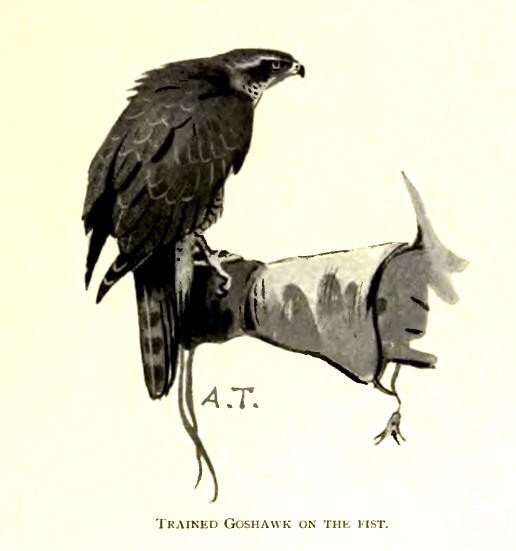
Falconry is the traditional art of training and flying birds of prey—falcons, eagles, hawks, buzzards and other raptors—to work with human partners. Originally developed as a means of obtaining food, it has evolved into a social and recreational practice that connects people with nature. Today, people of all ages in many countries practise falconry, sharing universal methods of breeding, training and caring for birds, along with traditional equipment and the bond between falconer and animal.
Origins & history
Falconry has been documented across many parts of the world for over 4,000 years, with evidence of the practice in early and medieval periods. As communities adopted falconry, it became integrated into their cultural life and has been transmitted from generation to generation through mentoring, families and training clubs. The practice has acquired cultural significance in many countries, becoming an important symbol embedded in national and community identity.
The practice
Falconry is practised through established methods of breeding, training and caring for birds of prey. Falconers use traditional equipment and techniques passed between teacher and apprentice. The practice involves people of all ages working with birds, learning to read animal behaviour and applying knowledge of how to condition and fly raptors. Training typically occurs within families, mentoring relationships and organised training clubs that preserve these skills and traditions.
Cultural significance
Falconry holds deep cultural meaning in the communities that practise it, serving as an important cultural symbol. The modern falconry community is committed to safeguarding both the birds and their habitats, as well as the practice itself. The tradition is supported by a network of institutions including falcon hospitals, breeding centres, conservation agencies and equipment makers, all working to ensure the continuation of this heritage and its values across generations.
Key facts
- Country: United Arab Emirates, Austria, Belgium, Croatia, Czechia, France, Germany, Hungary, Ireland, Italy, Kazakhstan, Republic of Korea, Kyrgyzstan, Mongolia, Morocco, Netherlands (Kingdom of the), Pakistan, Poland, Portugal, Qatar, Saudi Arabia, Slovakia, Spain, Syrian Arab Republic
- Inscribed: 2021
- UNESCO list: Representative List of the Intangible Cultural Heritage of Humanity
- UNESCO reference: 01708
- UNESCO vocabulary: Technical skills
- Map: not shown — UNESCO’s official description of this element names no locality, and a living tradition is practised across a community, not at one address.
Where to experience it
Falconry is practised today by people of all ages across Europe, Central Asia, and the Middle East, as well as in many other countries worldwide. Visitors can encounter the tradition through local falconry clubs, training centres, and demonstrations where practitioners share methods passed down through families and mentorship. Falcon hospitals, breeding centres, and traditional equipment makers form part of the active falconry community, offering insights into how modern falconers safeguard birds, quarry, and habitats while maintaining universal practices refined over millennia.
Sources & resources
- UNESCO — official element page: Falconry, a living human heritage
- UNESCO — open data record: Intangible Heritage List, reference 01708
- UNESCO — official video: UNESCO film on this element — embedded on this page
- UNESCO — official photograph: Children learn how to interact with falcons at a young age, Syrian Arab Republic — Ashraf Dardar — Syria Trust for Development, 2020
- Reference — Wikipedia (secondary): Falconry — consulted as a secondary reference, not as confirmation
- Cultural Heritage Online: Our archive and city guides

Sources
- S1 — Upton, Roger. A Bird in the Hand: Celebrated Falconers of the Past. Debrett's Peerage, 1980. ISBN 978-0-905649-34-4.
- S2 — Oggins, Robin S. The Kings and Their Hawks: Falconry in Medieval England. Yale University Press, 2004. ISBN 978-0-300-10058-7.
Spotted an error? Write to editorial@culturalheritageonline.com and we correct it the same day.