
A heroic oral tradition sung and recited across Central Asia and the Caucasus, the Epic of Gorogly preserves the deeds of a legendary champion who defies tyranny and injustice through centuries of performance.
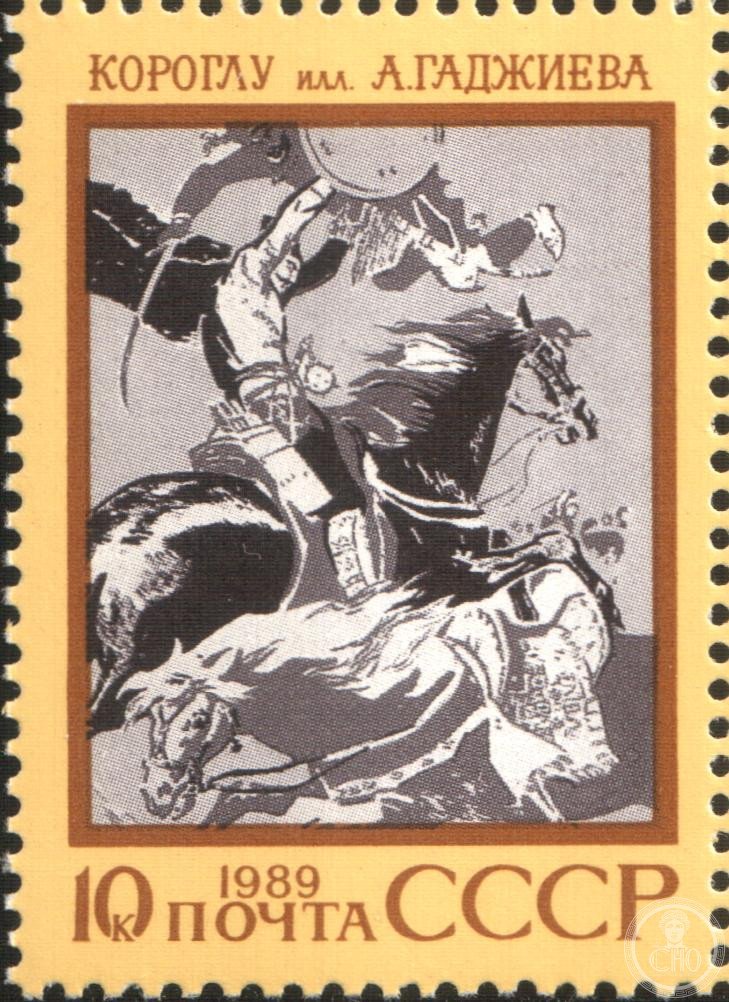
In UNESCO’s words
The epic art of Gorogly is an oral performing tradition describing the achievements of the legendary hero Gorogly and his forty cavalrymen. The epic incorporates narration, singing, composition, prose, poetry and vocal improvisation, and also functions as an oral encyclopaedia of traditional customs and knowledge (including stock breeding, traditional healing, etc.). Its transmission plays an important role in the upbringing of children by helping them to better understand their cultural identity. The tradition nurtures character, creative capacity and artistic skills, and provides bearer communities with a strong sense of social and cultural identity. The epic reflects the aspirations of the Turkmen people for a happy life, freedom and justice, and promotes values such as bravery, honesty, friendship, tolerance and fairness. Its bearers and practitioners are individual male and female epic performers in Turkmenistan who specialize in the Gorogly epic. The epic is traditionally performed seated to the accompaniment of stringed musical instruments, such as the ''dutar'' or ''gyjak''. Bearers and practitioners of the Gorogly epic art take an active part in all national celebrations, cultural festivals and social gatherings, as well as annual competitions between Gorogly epic performers. Practice of the epic art is considered a vocation with masters combining informal teaching of pupils with transmission of knowledge and skills during public performances.
Official description, UNESCO Intangible Cultural Heritage List — Epic art of Gorogly
At a glance
The epic art of Gorogly is an oral performing tradition that tells the story of a legendary hero and his forty cavalrymen. It combines narration, singing, poetry, prose and vocal improvisation to recount their achievements. Beyond entertainment, the epic serves as an oral encyclopaedia, preserving traditional knowledge about stock breeding, healing practices and customs. Male and female performers in Turkmenistan specialize in this art, which is traditionally performed seated while playing stringed instruments such as the dutar or gyjak.
Origins & history
The epic emerged from the oral traditions of Oghuz Turks and spread widely across Central Asia, the South Caucasus, and Asia Minor during the Middle Ages as Oghuz Turkic groups migrated and intermingled with neighboring peoples. This dispersal gave rise to distinct versions in Turkmen, Kazakh, Uzbek, Tajik, Azerbaijani, Turkish, Crimean Tatar, Georgian, Kurdish, and Armenian. The narratives were preserved and transmitted orally by specialist bards—known as bagshy in Turkmenistan and Ashik in Azerbaijan and Turkey—before being recorded in written form mostly during the 18th century.
The practice
Performers of the Gorogly epic are individual specialists who train under masters through informal teaching combined with public performance. The epic is traditionally performed seated and accompanied by stringed instruments. Bearers and practitioners perform at national celebrations, cultural festivals, social gatherings and annual competitions between performers. Training in the epic art is considered a vocation, with knowledge and skills transmitted from masters to pupils through both direct instruction and performance.
Cultural significance
The Gorogly epic plays a central role in children's upbringing, helping them understand their cultural identity and develop character, creativity and artistic skills. The tradition reflects the aspirations of the Turkmen people for happiness, freedom and justice, promoting values such as bravery, honesty, friendship, tolerance and fairness. It provides bearer communities with a strong sense of social and cultural identity and their cultural heritage.
Key facts
- Country: Turkmenistan
- Inscribed: 2015
- UNESCO list: Representative List of the Intangible Cultural Heritage of Humanity
- UNESCO reference: 01028
- UNESCO vocabulary: Epic poetry; Oral tradition; Vocal music
- Map: not shown — UNESCO’s official description of this element names no locality, and a living tradition is practised across a community, not at one address.
Where to experience it
The epic art of Gorogly lives through individual male and female performers across Turkmenistan who maintain this oral tradition as a vocation. Visitors can encounter the epic at national celebrations, cultural festivals, social gatherings, and annual competitions between Gorogly performers. Masters teach pupils both informally and during public performances, where the epic is traditionally performed seated with stringed instruments such as the dutar or gyjak. These performances remain central to Turkmen cultural life and identity.
Sources & resources
- UNESCO — official element page: Epic art of Gorogly
- UNESCO — open data record: Intangible Heritage List, reference 01028
- UNESCO — official photograph: A group of practitioners of the Gorogly epic art at the national festival in Turkmenistan — K. Poladov — The Secretariat of the Turkmenistan National Commission for UNESCO, 2013
- Reference — Wikipedia (secondary): Epic of Koroghlu — consulted as a secondary reference, not as confirmation
- Cultural Heritage Online: Our archive and city guides

Sources
- S1 — Reichl, Karl. Turkic Oral Epic Poetry: Traditions, Forms, Poetic Structure. Routledge, 1992. ISBN 978-0-8153-0779-2.
- S2 — Chadwick, Nora K., and Victor Zhirmunsky. Oral Epics of Central Asia. Cambridge University Press, 1969. ISBN 978-0-521-07053-9.
Spotted an error? Write to editorial@culturalheritageonline.com and we correct it the same day.