
A double-reed pipe of extraordinary expressiveness, the balaban has sounded across the Caucasus and Anatolia for centuries, shaped by the breath and skill of master musicians who coax dull, penetrating tones from wood and cane.
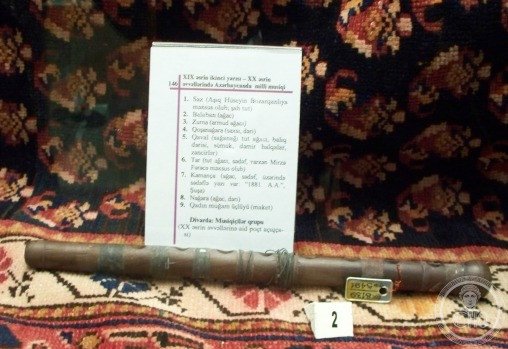
In UNESCO’s words
Balaban (in Azerbaijan) or Mey (in Türkiye) is a centuries-old woodwind instrument made up of three parts: a body, a wide and flat double reed and a clip. The instrument is traditionally made of plum or apricot wood and coated with linseed or olive oil. Once dry, crafters drill several holes into the front of the body and one hole into the back. The sizes, number of holes and materials used vary according to the region. The knowledge, skills and techniques of crafting and playing Balaban are typically passed on informally within families through observation and hands-on experience, as well as through apprenticeships. The musical practice is also transmitted formally in universities and high schools, traditional music conservatories, institutions and student music communities. Balaban plays a significant role in the music cultures of Azerbaijan and Türkiye and is commonly used as a solo or accompanying instrument at folk festivities, weddings and concerts. A vital part of the identity and collective memory of its musicians and craftspeople, it is also an important means of promoting cultural identity, solidarity and social memory in both countries, with people of all ages, genders, socio-economic backgrounds and ethnicities gathering to listen to and participate in the performances.
Official description, UNESCO Intangible Cultural Heritage List — Craftsmanship and performing art of balaban/mey
At a glance
Balaban is a woodwind instrument with a centuries-old tradition in Azerbaijan and Türkiye. It consists of three parts: a wooden body, a wide flat double reed, and a clip. The instrument is traditionally made from plum or apricot wood, then coated with linseed or olive oil. Craftspeople drill holes into the body—the exact number and placement vary by region—to create the instrument's distinctive sound.
Origins & history
The knowledge and skills of making and playing balaban have been passed down informally within families for centuries through observation and hands-on experience. In more recent times, formal transmission has also developed through apprenticeships, universities, high schools, traditional music conservatories, and student music communities.
The practice
A balaban player uses the instrument as either a solo or accompanying voice. The traditional wooden body is drilled with several holes on the front and one on the back; the size and number of these holes differ from region to region. Players work with a wide, flat double reed and a clip. The materials and construction vary according to local practice and regional tradition.
Cultural significance
The balaban holds vital importance for the identity and collective memory of Azerbaijani and Turkish musicians and craftspeople. It functions as a meaningful way to promote cultural identity, solidarity, and social memory in both countries. People of all ages, genders, socio-economic backgrounds, and ethnicities gather to listen to and take part in performances, particularly at folk festivities, weddings, and concerts.
Key facts
- Country: Azerbaijan, Türkiye
- Inscribed: 2023
- UNESCO list: Representative List of the Intangible Cultural Heritage of Humanity
- UNESCO reference: 01704
- UNESCO vocabulary: Craft workers; Instrument making; Musical performances; Woodwind instruments
- Map: not shown — UNESCO’s official description of this element names no locality, and a living tradition is practised across a community, not at one address.
- Related World Heritage site: Walled City of Baku with the Shirvanshah's Palace and Maiden Tower (a different UNESCO designation, not the place of the tradition)
Where to experience it
The balaban thrives in the music cultures of Azerbaijan and Türkiye, where master musicians and craftspeople maintain this centuries-old tradition through performances at folk festivities, weddings and concerts. Learners encounter the instrument formally in universities, high schools, traditional music conservatories and student music communities, while families pass on craftsmanship and playing techniques through observation and apprenticeship. Visitors can experience balaban performances in cultural venues across both countries, where people of all ages and backgrounds gather to listen and participate in this vital expression of collective identity and cultural memory.
Sources & resources
- UNESCO — official element page: Craftsmanship and performing art of balaban/mey
- UNESCO — open data record: Intangible Heritage List, reference 01704
- UNESCO — official video: UNESCO film on this element — embedded on this page
- UNESCO — official photograph: Crafting balaban, Babakhan Amrov — Mamed Rahimov/Ministry of Culture, Azerbaijan, 2011
- Reference — Wikipedia (secondary): Balaban (instrument) — consulted as a secondary reference, not as confirmation
- Cultural Heritage Online: Our archive and city guides

Sources
- S1 — During, Jean. La musique traditionnelle de l'Azerbaïdjan du Sud. Editions Recherche sur les Civilisations, 1988. ISBN 978-2-86538-189-0.
- S2 — Slobin, Mark, ed. Retuning Culture: Musical Changes in Central Asia and the Caucasus. Duke University Press, 1996. ISBN 978-0-8223-1847-7.
Spotted an error? Write to editorial@culturalheritageonline.com and we correct it the same day.