
The art of writing Chinese characters combines visual mastery with literary interpretation, where each brushstroke embodies motion, rhythm, and the artist’s vital energy.
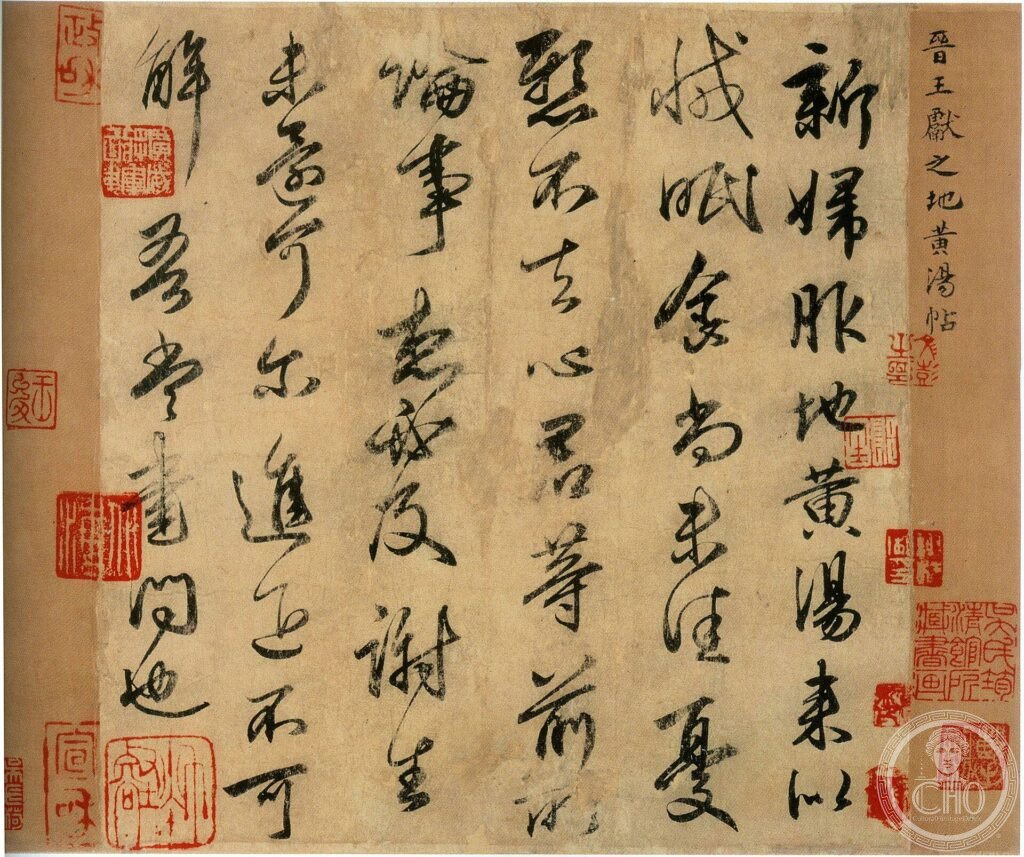
In UNESCO’s words
Chinese calligraphy has always been more than simply a tool for communication, incorporating as it does the element of artistry for which the practice is still valued in an age of ballpoint pens and computers. Indeed, calligraphy is no longer the basic tool of intellectuals and officials but has become the preserve of professional artisans and amateur enthusiasts. Whether they are recording information or simply creating beautiful forms, calligraphers’ brushes are used to ink five different styles of script, known as ‘seal’, ‘official’, ‘cursive’, ‘running’ and ‘regular’. The art may appear on any writing surface – even the rocky walls of cliffs – but it is especially common on letters, scrolls, works of literature and fan coverings. Today, in addition to traditional master-apprentice instruction, calligraphy is also taught at school. Many ceremonies that mark national celebrations and religious rituals incorporate the practice and calligraphy has itself proved influential on modern art, architecture and design. In its distinctive Chinese form, calligraphy offers an important channel for the appreciation of traditional culture and for arts education. It is also a source of pride and pleasure for the Chinese people and embodies important aspects of the country’s intellectual and artistic heritage.
Official description, UNESCO Intangible Cultural Heritage List — Chinese calligraphy
At a glance
Chinese calligraphy is the art of writing characters with brush and ink, valued as much for its beauty as for communication. Practitioners work in five distinct styles—seal, official, cursive, running, and regular script—applying their brushes to paper, silk, or other surfaces to create expressive forms. The practice combines technical skill with artistic vision, elevating ordinary writing into a refined art form that remains central to Chinese culture.
Origins & history
Calligraphy developed as an artistic practice among intellectuals and officials, becoming embedded in scholarly culture over centuries. Today the tradition has shifted: it is no longer the exclusive domain of educated elites but has expanded to include professional artisans and amateur enthusiasts. Instruction has evolved as well, moving beyond the traditional master-apprentice model to include teaching in schools.
The practice
Calligraphers use brush and ink on writing surfaces ranging from paper and silk to cliff walls, with letters, scrolls, literary works, and fan coverings among the most common applications. The five script styles—seal, official, cursive, running, and regular—provide the formal framework for practice. Today calligraphy appears in ceremonies marking national celebrations and religious rituals, and contemporary instruction combines traditional methods with modern educational settings.
Cultural significance
Calligraphy serves the Chinese people as a source of pride and a vital link to their intellectual and artistic heritage. The practice influences modern art, architecture, and design while providing essential channels for arts education and appreciation of traditional culture. It remains threatened by changing communication technologies and evolving social priorities, yet continues to hold deep cultural meaning.
Key facts
- Country: China
- Inscribed: 2009
- UNESCO list: Representative List of the Intangible Cultural Heritage of Humanity
- UNESCO reference: 00216
- UNESCO vocabulary: Calligraphy; Handwriting
- Map: not shown — UNESCO’s official description of this element names no locality, and a living tradition is practised across a community, not at one address.
Where to experience it
Chinese calligraphy is practiced throughout the country by professional artisans and amateur enthusiasts alike. Visitors can encounter the tradition in schools where it forms part of arts education, in master-apprentice studios, and at ceremonies marking national celebrations and religious rituals. Museums and cultural institutions display calligraphic works on scrolls, letters, and fan coverings, while workshops offer opportunities to observe practitioners at work or learn the fundamentals of brush technique. The five classical scripts—seal, official, cursive, running, and regular—remain central to this living art form that continues to influence modern design and architecture across China.
Sources & resources
- UNESCO — official element page: Chinese calligraphy
- UNESCO — open data record: Intangible Heritage List, reference 00216
- UNESCO — official video: UNESCO film on this element — embedded on this page
- UNESCO — official photograph: Photograph of this element — Yan Xiaofei — Yan Xiaofei, 2008
- Reference — Wikipedia (secondary): Chinese calligraphy — consulted as a secondary reference, not as confirmation
- Cultural Heritage Online: Our archive and city guides

Sources
- S1 — Billeter, Jean François. The Chinese Art of Writing. Skira, 1990. ISBN 978-0-8478-1249-3.
- S2 — Clunas, Craig. Art in China. Oxford University Press, 1997. ISBN 978-0-19-284207-7.
Spotted an error? Write to editorial@culturalheritageonline.com and we correct it the same day.