

Sørli Church
A red wooden Neo-Gothic parish church built in 1873 in Mebygda village, serving the Sørli parish in Trøndelag’s Diocese of Nidaros.

A red wooden Neo-Gothic parish church built in 1873 in Mebygda village, serving the Sørli parish in Trøndelag’s Diocese of Nidaros.

A white wooden neo-gothic church built in 1880 in Nesna, Norway, designed by architect Niels Stockfleth Darre Eckhoff in distinctive octagonal cruciform style.

A white wooden parish church in Stryn Municipality, western Norway, designed by Hans Linstow and completed in 1840 as a long church—a distinctive Scandinavian architectural type.

Nicknamed the Lofoten Cathedral, this 1898 yellow wooden church in Kabelvåg is Northern Norway’s largest wooden building, with a cruciform design seating 1,200 worshippers.

Named after Swedish queen Sophia of Nassau, Sofia Church stands as one of Stockholm’s major ecclesiastical landmarks, inaugurated in 1906 on the northeast peak of Vita Bergen park.

A Grade I listed private chapel north of Eaton Hall in Cheshire, England, representing significant architectural heritage within the historic Eaton Park estate.

A modest Church of Scotland parish church distinguished as the regular place of worship for the British royal family during their stays at nearby Balmoral Castle in Aberdeenshire.

A Neo-Gothic residence hall at Victoria University in Toronto, built 1911–1913, featuring turrets, gargoyles, and battlements designed by Sproatt & Rolph.

A hilltop castle in Nõmme, Tallinn, known by German, Estonian, and local names, reflecting centuries of Baltic cultural heritage.
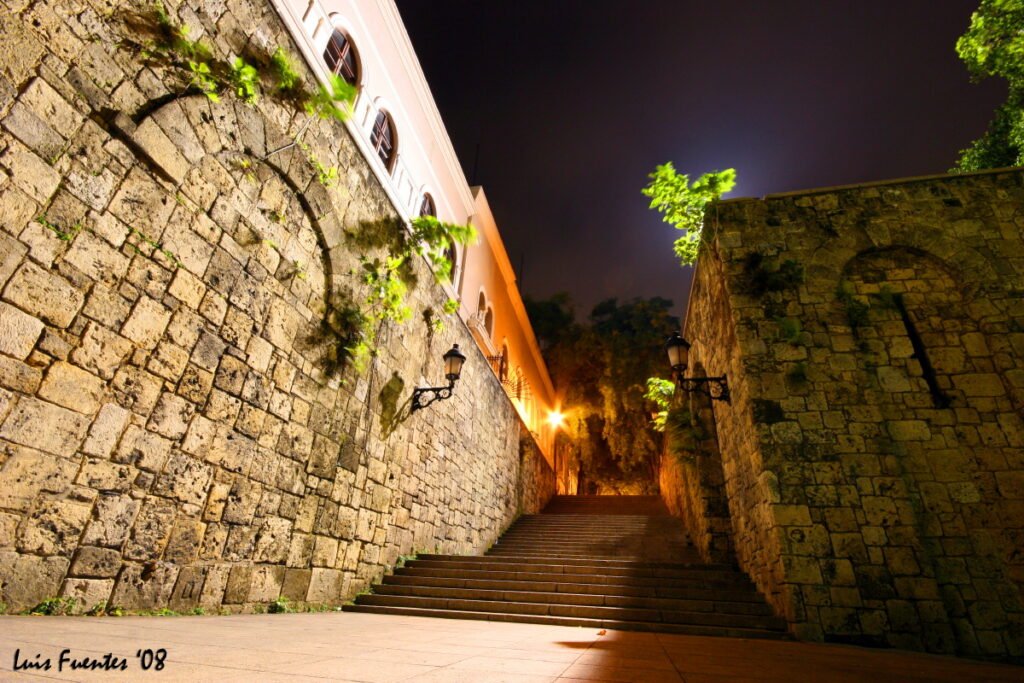
Santo Domingo’s Colonial City is itself a UNESCO World Heritage Site — the Americas’ first European settlement, inscribed in 1990. Cuba’s Old Havana and Trinidad are under an hour away by air, making the Dominican capital the natural starting point for a Caribbean colonial heritage circuit.