
Stattreisen München: the association that taught Munich to be seen on foot
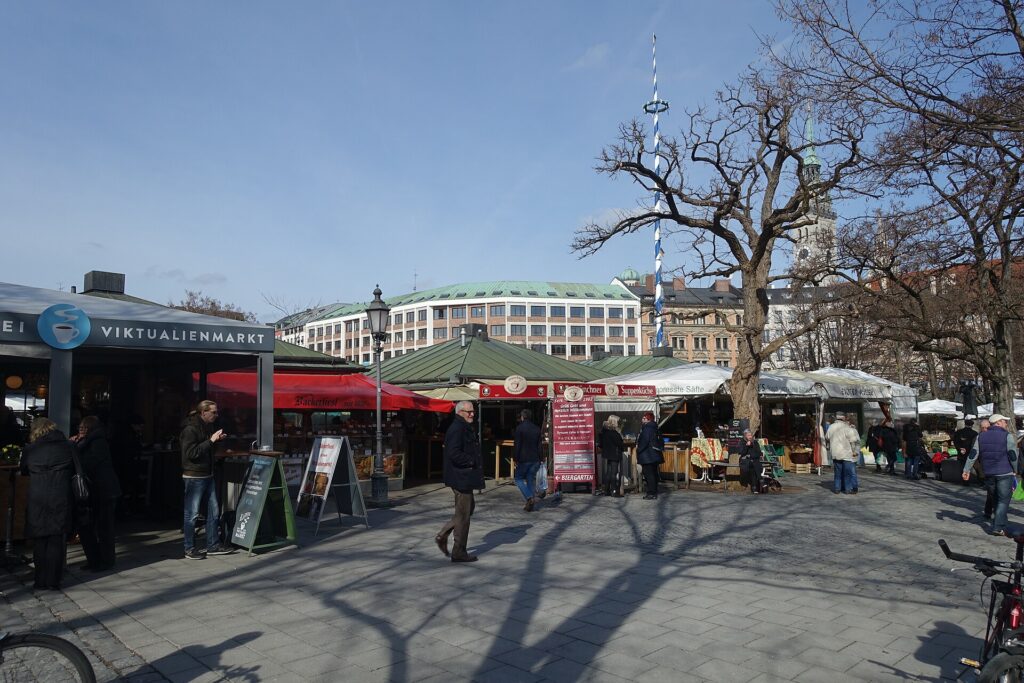
The Viktualienmarkt in Munich’s old town, a few minutes from the pedestrian streets that made city walking tours possible. Photo: […]

The Viktualienmarkt in Munich’s old town, a few minutes from the pedestrian streets that made city walking tours possible. Photo: […]

Germany’s largest synagogue, completed in 1904, showcases Romanesque Revival architecture in Berlin’s Prenzlauer Berg neighbourhood and serves the city’s Conservative Jewish congregation.

Munich’s Ludwigskirche is a monumental Neo-Romanesque church featuring the world’s second-largest altar fresco, whose rounded-arch style influenced church and civic architecture across Germany and America.

A High Rhenish Neo-Romanesque church built in Dresden (1898–1901) by architect Jürgen Kröger. Destroyed in the Second World War and demolished in 1953.

A 15th-century Cornish parish church rebuilt after 19th-century lightning damage, now an inclusive community space dedicated to a sixth-century Breton saint.

An active Anglican parish church in Little Hulton, Greater Manchester, St Paul’s serves the communities of Peel and Little Hulton as part of a wider team ministry within the Diocese of Manchester.

A Grade II listed residential nursing home in Liverpool’s Toxteth, founded to care for sick and disadvantaged men and continuing that mission since its establishment.

A Grade II listed Methodist chapel on Wettenhall Road in Poole, Cheshire, that continues to serve as an active place of worship within the Cheshire South Methodist Circuit.

A Scottish parish church completed in 1868, now a Category C listed building on the Cowal Peninsula’s main road between Sandbank and Dunoon.

Canada’s first French-language library, designed by Eugène Payette in Beaux-Arts style and opened in 1917 on Montreal’s Saint-Denis Street.