

Engineered in the interwar era as Tomáš Baťa’s satellite industrial garden city of Baťov, the sprawling manufacturing works in Otrokovice gave birth to Czechoslovakia’s foremost automotive tire enterprise, Barum, merging functionalist factory architecture with heavy rubber vulcanisation.
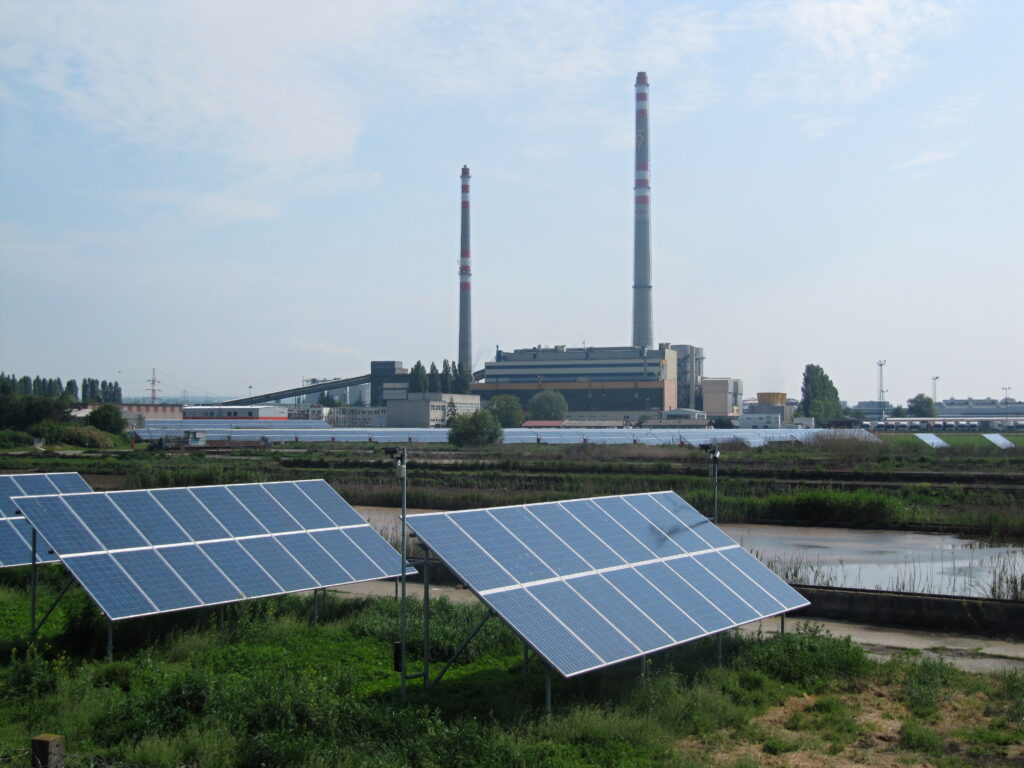
At a glance
Spanning the banks of the Morava and Dřevnice rivers in Otrokovice, the Barum manufacturing complex forms a core monument of Central European interwar industrial planning. Conceived in the late 1920s and early 1930s by industrialist Tomáš Baťa to decentralise rubber shoe sole production and chemical vulcanisation from neighbouring Zlín, the site expanded into heavy automotive pneumatic tyres. Following nationalisation in 1947, the enterprise unified the rubber assets of Baťa, Rubena Náchod, and Mitas Prague into the celebrated brand Barum.
Key facts
- Location: Objízdná 1628, 765 02 Otrokovice, Zlín Region, Czech Republic
- Industrial foundation: Early 1930s (Baťov industrial rubber works and airfield development)
- Brand unification: 1947 (merger of Baťa, Rubena, and Mitas to establish Barum)
- Urban planning: Master-planned by Vladimír Karfík and František Lydie Gahura following Baťa functionalist standard grid construction (6.15 × 6.15 meter reinforced concrete frame)
- Production milestones: Pioneer of Czechoslovak all-steel radial tyres, commercial truck carcasses, and motorsport competition compounds
- Current status: Operating continental-scale manufacturing complex (Continental Barum s.r.o.), employing thousands of technicians
- Coordinates: 49.20320, 17.52384 · open in Google Maps
History and industrial heritage
During the late 1920s, the surging global footprint of the Baťa footwear concern demanded vast quantities of synthetic and vulcanised natural rubber. Tomáš Baťa purchased marshland along the Morava River at Otrokovice, drained the flats, and built a dedicated company satellite town named Baťov, complete with factory halls, workers’ brick housing colonies, and a company airfield.
By 1932, expanding motorway transport prompted the factory to begin casting automobile tyres. After the Second World War, the newly consolidated Barum enterprise relocated its central production into a monumental modern tire-building hall in Otrokovice during the early 1970s. The site remains one of the largest tyre production facilities on the European continent.
Functionalist architecture and Baťov urban planning
The Otrokovice site is renowned among architectural historians as an exceptional example of Baťa functionalism (Baťovská architektura). Factory buildings adhere to standardised modular reinforced concrete columns spaced at 6.15-meter intervals, filled with exposed red face bricks and expansive steel-mullioned factory glazing.
The broader urban layout separated the heavy smoke and chemical emission zones from the residential garden suburbs, which featured flat-roofed detached family brick villas, civic parks, and the iconic functionalist Hotel Společenský dům.
What you see today
Today, visitors navigating Objízdná street pass alongside an immense, modernised industrial hub. High-capacity raw material silos, automated curing presses, and continuous rail sidings present an impressive panorama of heavy European manufacturing vitality.
While the secure manufacturing premises cannot be entered without official industrial clearance, the surrounding Baťov quarter retains its architectural integrity. Travelers can freely walk among the preserved red-brick housing colonies, the historic social house hotel, and visit the Baťa canal waterways.
Practical information and visits
- Plant visits: The active tire manufacturing compound is a high-security industrial site and is not open for public tourist visits.
- Architectural heritage: The adjacent residential district of Baťov and the historic Hotel Společenský dům (designed by Vladimír Karfík) are fully accessible to pedestrians year-round.
- Regional museum: In neighbouring Zlín (10 km away), the Museum of Southeast Moravia (Muzeum jihovýchodní Moravy ve Zlíně) in Building 14 exhibits comprehensive historical displays on Baťa industrial rubber and shoe production.
Getting there
Otrokovice is a primary railway crossroads in the Czech Republic, situated on the main corridor between Prague, Brno, and Vienna/Bratislava. Otrokovice railway station (Otrokovice železniční stanice) is served by frequent direct express trains. From the station, the historic Baťov complex and Barum industrial zone are easily reached on foot or via the intercity trolleybus network linking Otrokovice with central Zlín.
Related enterprise history
This place card documents the physical industrial landscape, architecture, and urban planning of the Baťov complex in Otrokovice. For corporate background, the 1947 brand merger, and Czechoslovak motorsport racing heritage, read our companion magazine feature on the industrial history of Barum and Czech rubber manufacturing (1924).
Sources
- Národní památkový ústav (NPÚ Památkový katalog): Heritage registers documenting Baťa functionalist industrial architecture and urban ensembles in Otrokovice and Zlín.
- Město Otrokovice — Odbor městského rozvoje: Municipal zoning surveys and historical records of the Baťov industrial district and river transport network.
- OpenStreetMap: Spatial footprint, manufacturing boundary, and coordinates of Barum Continental Complex (Way 1752384), Otrokovice, Czech Republic.
Find it on the map
See this place and what’s around it →📷 Become a Cultural Heritage Online photographer
Share your photos of places: they stay published under your name as the author. The more they're seen, the more you get noticed — and soon a contest will reward the most appreciated photos.
Log in or sign up free to add a photo