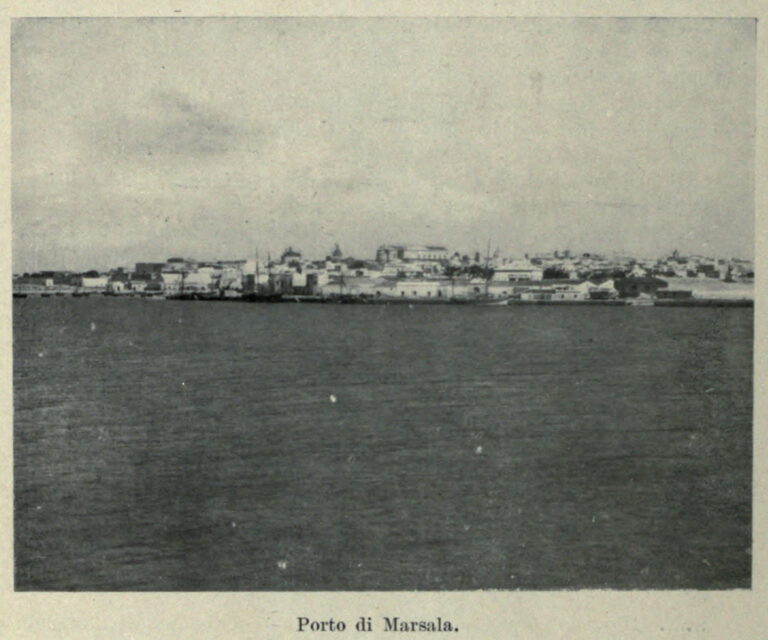
The early silent cinema boom in Catania, dramatic adaptations, and Sicilian stage legends under Mount Etna.
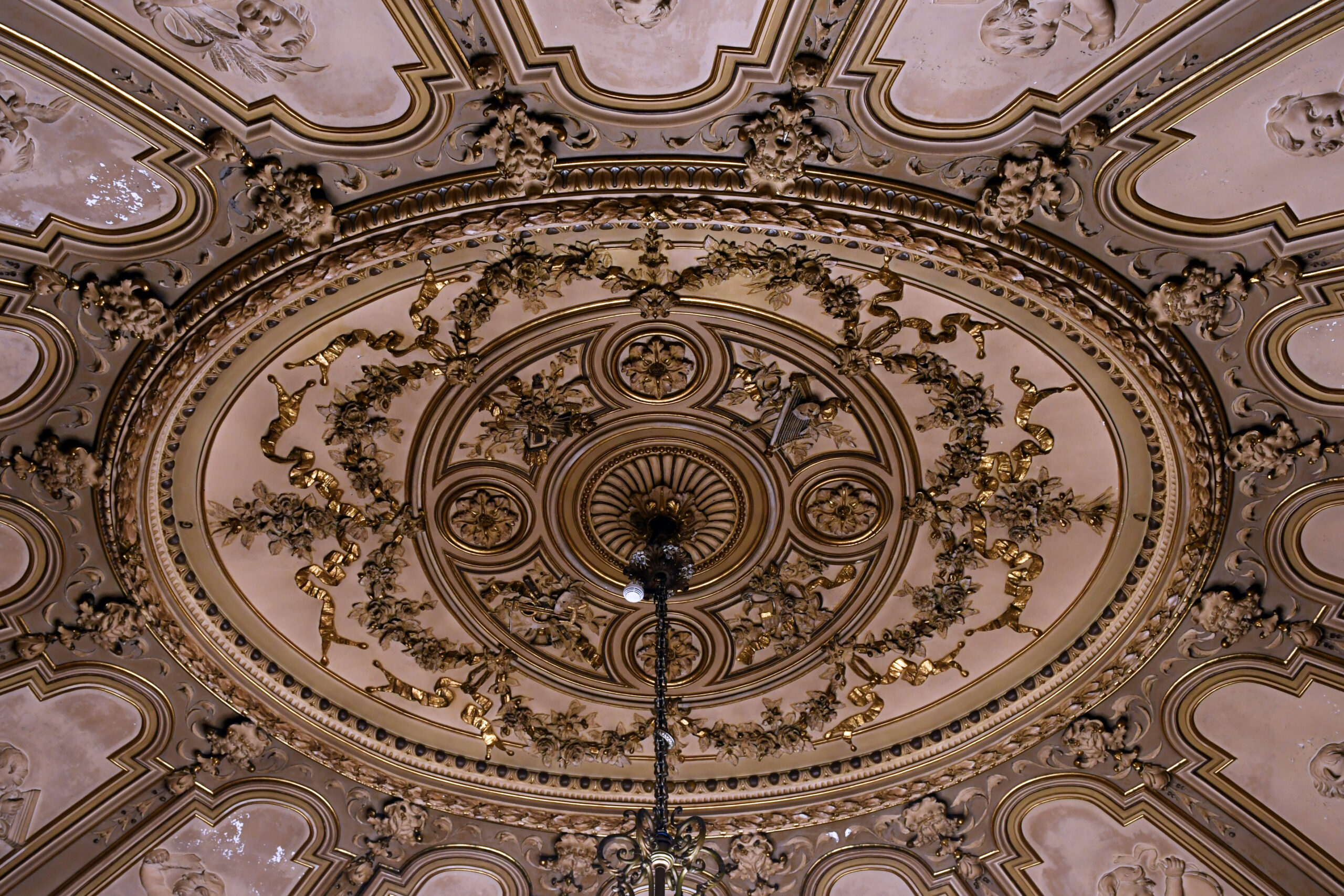
In the vibrant artistic ferment of early twentieth-century Sicily, the city of Catania blossomed into one of the Mediterranean’s most energetic capitals of silent film production. Inspired by the international success of pioneering local studios such as Etna Film, ambitious cultural leaders sought to establish Catania as a Southern Italian cinematic hub. In 1914, Catania attorney and theatrical patron Gaetano Tedeschi established Jonio Film, collaborating with allied studios Katana Film and Sicula Film to translate the intense verismo drama of Sicilian literature and stage onto the cinematic screen.
Theatrical Legends on the Mediterranean Silver Screen
Jonio Film distinguished itself by drawing upon the celebrated actors of the Sicilian theatrical renaissance, which was then enchanting audiences throughout Europe and the Americas. The studio enlisted esteemed performers including Desdemona Balistrieri—the gifted actress and wife of legendary comic genius Angelo Musco—alongside Rosina Anselmi, Mariano Bottino, and Attilio Rapisarda. Filming against the striking Baroque architecture of Catania’s historic center and the dramatic volcanic coastline of the Ionian Sea, Jonio Film produced works imbued with visceral emotional realism and authentic Mediterranean atmosphere.
Notable Productions and the Interruption of the Great War
Among the notable productions realized during Jonio Film’s period of active production was the dramatic silent feature Valeria, premiered in 1916. The production earned enthusiastic praise in contemporary cinematic journals for its expressive acting, naturalistic outdoor lighting, and sophisticated set compositions influenced by the high operatic standards of Catania’s Teatro Massimo Bellini. However, the intensifying material shortages of the First World War—particularly the scarcity of imported celluloid stock and wartime distribution curbs—forced the young studio to suspend filming by late 1916.
Though its cinematic output was concentrated in a brief few years, Jonio Film remains an inspiring testament to Catania’s cultural audacity and artistic vitality during the golden dawn of Italian silent cinema.
Historic Site & Location
Historic Address: Piazza Vincenzo Bellini, 95131 Catania CT, Italy
Nearby in the archive
- Catania — city guide — the city around it
Sources
- S1 — Cineteca Nazionale, Archivio Storico del Cinema Muto Italiano — https://www.fondazionecsc.it/
- S2 — Biblioteca Comunale di Catania, Fondo Società Cinematografiche Etnee — https://www.comune.catania.it/
- S3 — Ministero della Cultura, Catalogo Generale delle Case di Produzione Muto — https://cultura.gov.it/
Spotted an error? Write to editorial@culturalheritageonline.com and we correct it the same day.