Lithographed tinplate mechanics, Lake Orta metallurgical artistry, and the golden 1920s of Italian toy craft in Omegna.
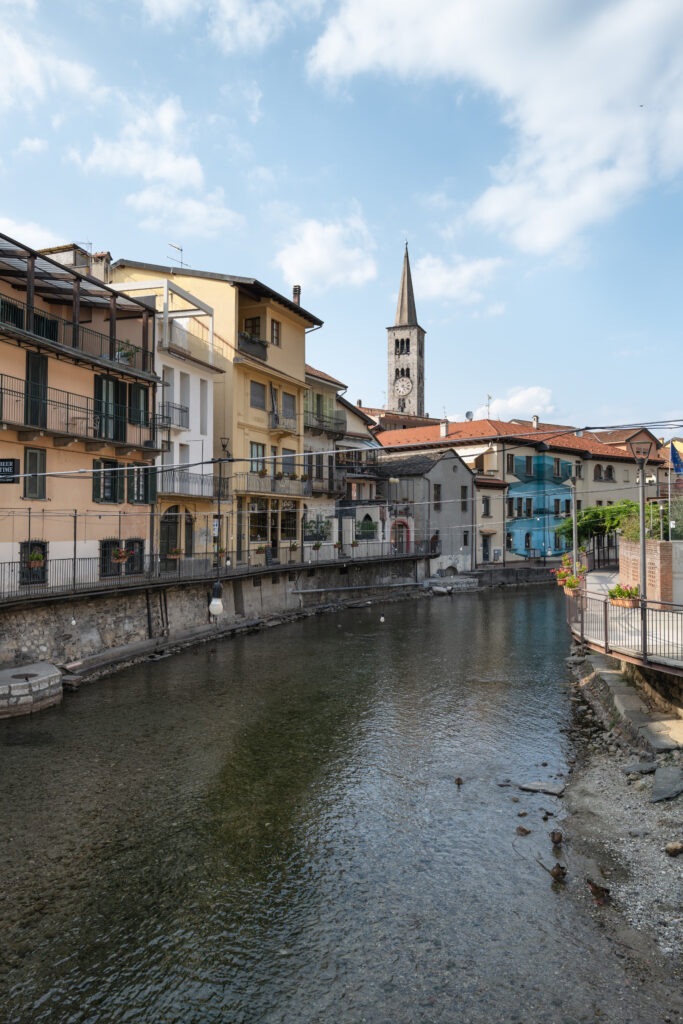
Nestled along the northern edge of Lake Orta in Piedmont, the picturesque town of Omegna has long possessed a renowned metallurgical heritage, powered by the torrential hydraulic energy of the River Nigoglia. In 1916, amid the industrial mobilization of the First World War, the Cardini manufacturing enterprise was established to produce pressed sheet metal and mechanical components. While its earliest wartime output satisfied industrial demands, the visionary founders quickly recognized an enchanting peacetime opportunity: the creation of precision mechanical toys fabricated from brightly lithographed tinplate.
The Golden Twenties of Mechanical Tinplate Craftsmanship
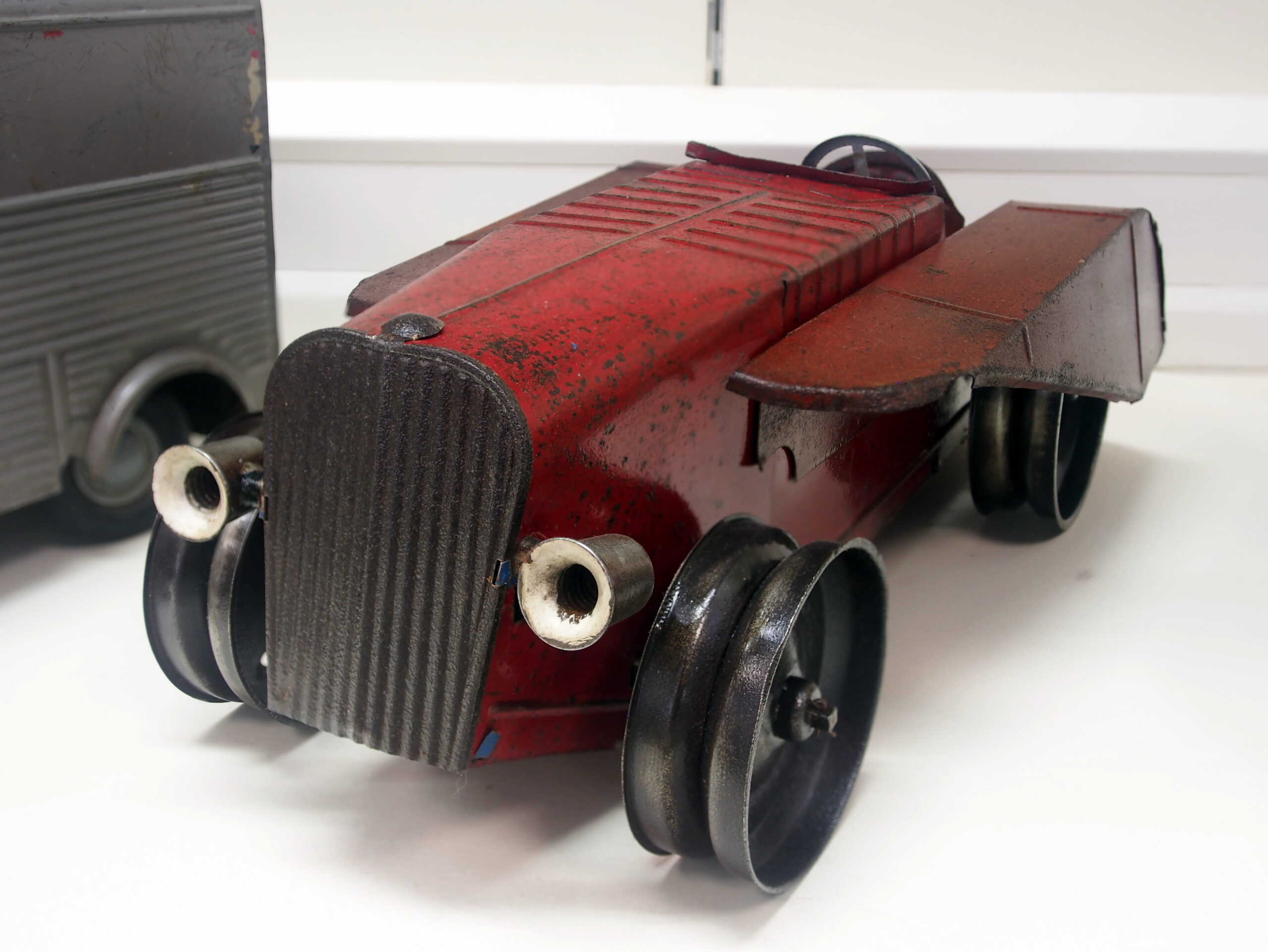
Between 1922 and 1928, Cardini attained international fame as one of Europe’s foremost toy manufacturers. The production of tin toys represented a breakthrough in serial consumer design, combining multi-color offset lithography printed directly onto thin steel sheets with progressive die-stamping, precision bending, and hand assembly. Competing with prominent firms like Metalgraf of Milan, Cardini distinguished itself through extraordinary graphic elegance and intricate internal clockwork mechanisms. The company produced miniature touring roadsters, streamlined racing cars, locomotives, railway coaches, and clockwork animals that captivated children and collectors across the continent.
Art Deco Packaging and the Industrial Heritage of Lake Orta
Each Cardini toy was accompanied by individually designed cardboard packaging illustrated with dynamic Art Deco graphics, providing operating instructions and preserving the pristine condition of the miniature machine. Powered by tempered clockwork steel springs, Cardini’s automobiles featured steerable front axles, functional headlamps, and multi-speed gear selectors that reflected the exhilarating automotive advancements of the 1920s.
Although the great depression and shifting manufacturing materials brought an end to Cardini’s toy production by 1929, its preserved tinplate creations are celebrated today as prized masterworks in toy museums worldwide. The mechanical precision and tooling expertise forged by Cardini established the industrial DNA that later transformed Omegna and the Cusio district into Italy’s premier capital of household design and precision metalware.
Historic Site & Location
Historic Address: Piazza Ventiquattro Aprile, 28887 Omegna VB, Italy
Sources
- S1 — Museo del Giocattolo Storico di Omegna, Archivio Cardini — https://www.comune.omegna.vb.it/
- S2 — Camera di Commercio di Novara e del Cusio, Registro Storico Fonderie e Lamiere — https://www.pno.camcom.it/
- S3 — Fondazione Museo del Design Piemontese, Sezione Lavorazione Latta — https://www.piemonteculture.it/
Spotted an error? Write to editorial@culturalheritageonline.com and we correct it the same day.