Naturalistic cinema pioneers, dialect theater virtuosos, and early silent film heritage in Catania.
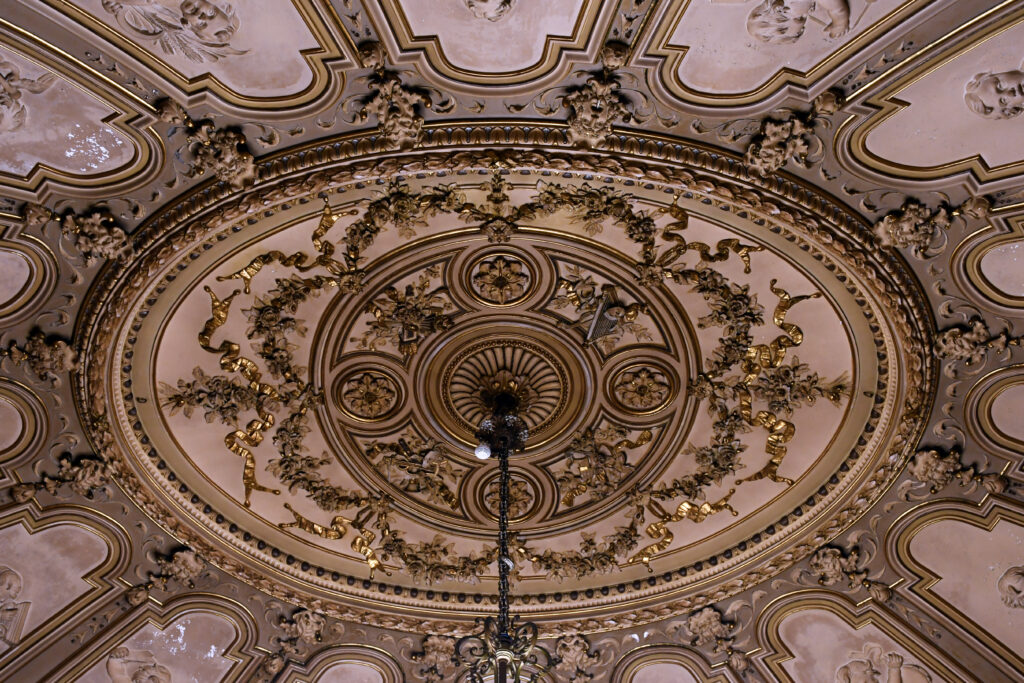
Established in Catania in 1914 by renowned dramatist and playwright Nino Martoglio alongside Marquis Paternò del Toscano, Katana Film represented the artistic pinnacle of Catania’s silent screen golden age.
Realism, Street Backdrops, and Sperduti nel Buio
While northern studios favored historical costume spectacles, Martoglio utilized Katana Film to pioneer cinematic *verismo*. The company adapted popular theater works, releasing *Sperduti nel buio* in 1914, starring legendary dialect actors Giovanni Grasso and Virginia Balistrieri. Filming amidst natural backdrops and impoverished alleys, Martoglio juxtaposed aristocratic opulence with raw proletarian life, employing stark natural lighting and documentary camera setups decades before Italian neorealism codified identical techniques.
Catania as the Mediterranean Cinema Capital
Katana Film transformed Catania into a primary cinema hub alongside Turin, Rome, and Milan, demonstrating that the cultural energies of southern Italy could produce internationally resonant modern media. The outbreak of the First World War in 1915 disrupted international chemical supplies and film stock, curbing the studio’s production schedule and leading to Martoglio’s return to theatrical writing.
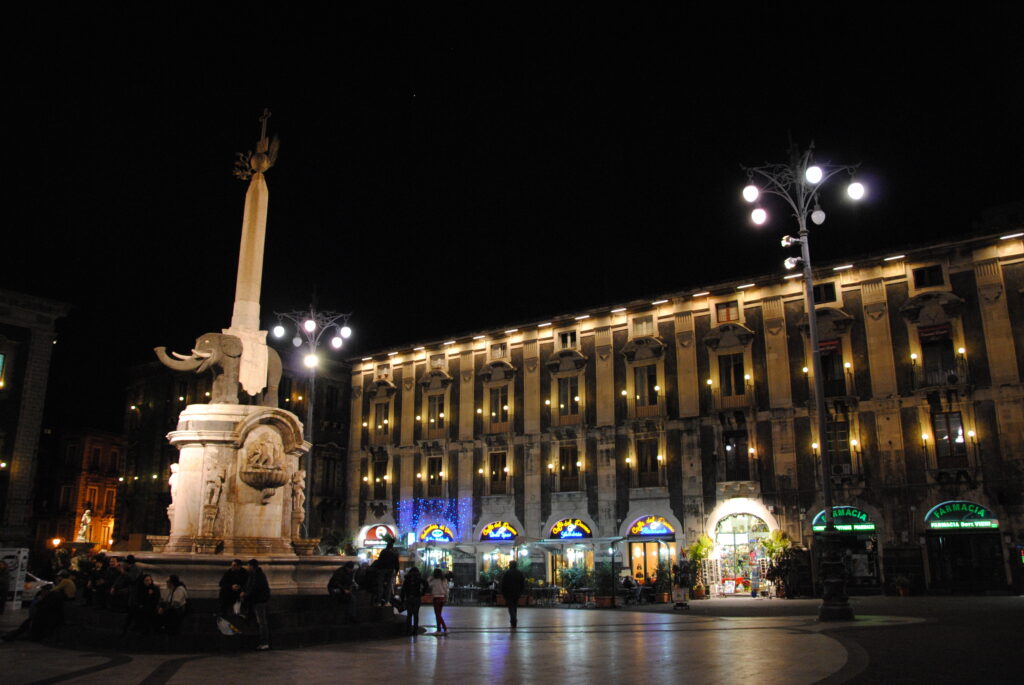
Today, the memory of Katana Film is enshrined in the cultural identity of Catania around Piazza Duomo and the Teatro Massimo Bellini, celebrated in university archives as a pivotal chapter of modern world film history.
Historic Site & Location
Historic Address: Piazza del Duomo / Piazza Bellini, Catania, CT, Italy
Sources
- S1 — Cineteca di Bologna, Archivio Storico del Cinema Muto Regionale Italiano — https://www.cinetecadibologna.it/
- S2 — Università degli Studi di Catania, Dipartimento di Scienze Umanistiche — https://www.unict.it/
- S3 — Teatro Massimo Bellini di Catania, Centro Studi e Memoria dello Spettacolo Siciliano — https://www.teatromassimobellini.it/
Spotted an error? Write to the editors and we correct it the same day.