Early Roman film studio innovation, diva realism, and the cinematic masterpiece Assunta Spina.
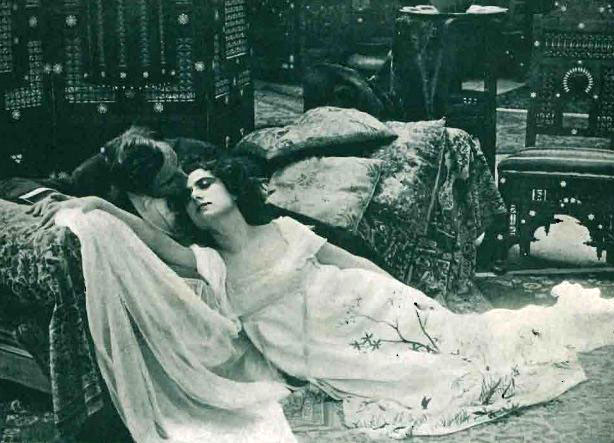
Incorporated in Rome in 1914 by visionary lawyer and entrepreneur Giuseppe Barattolo, Caesar Film was established to produce high-budget dramatic features, becoming an international titan of early Italian silent cinema.
Francesca Bertini and the Triumph of Assunta Spina
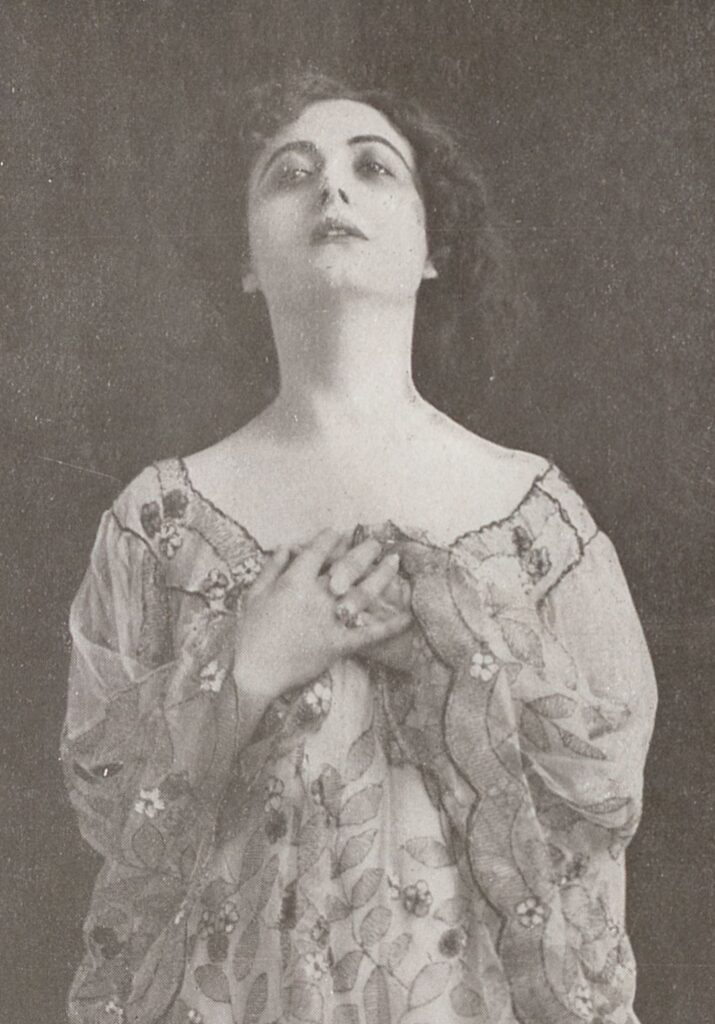
Barattolo orchestrated a historic coup by securing the exclusive collaboration of supreme screen diva Francesca Bertini. In 1915, Caesar Film released *Assunta Spina*, adapted from Salvatore Di Giacomo’s passionate Neapolitan tragedy. Bertini’s raw, naturalistic acting and the company’s groundbreaking use of real street locations in Naples broke definitively with melodramatic theatrical conventions, creating what cinema historians revere as the foundational ancestor of Italian neorealism. Caesar Film distributed lavish feature prints across Europe, South America, and the United States to immense box-office acclaim.
Appian Studios and the Interwar Industrial Shifts
The company erected daylight glass soundstages, laboratory darkrooms, and extensive costume wardrobes along the Circonvallazione Appia and Via Nomentana in Rome. Following intense wartime activity, Barattolo merged Caesar Film into the Unione Cinematografica Italiana (UCI) in 1919 in an effort to consolidate national distribution against American competition. However, economic shocks in the early 1920s led to the dissolution of the trust.
Today, preserved master celluloid reels of *Assunta Spina* and Caesar Film productions are protected at the Cineteca Nazionale in Rome, celebrating the pioneering artistic heights of early Italian screen heritage.
Historic Site & Location
Historic Address: Circonvallazione Appia, Roma, RM, Italy
Sources
- S1 — Cineteca di Bologna, Catalogo Generale del Cinema Muto Italiano, Fondo Caesar Film — https://www.cinetecadibologna.it/
- S2 — Centro Sperimentale di Cinematografia, Biblioteca Luigi Chiarini, Roma — https://www.fondazionecsc.it/
- S3 — Ministero della Cultura, Direzione Generale Cinema e Audiovisivo — https://cinema.cultura.gov.it/
Spotted an error? Write to the editors and we correct it the same day.