Lombard textile manufacturing, weatherproof umbrella fabrics, and playful twentieth-century graphic design.
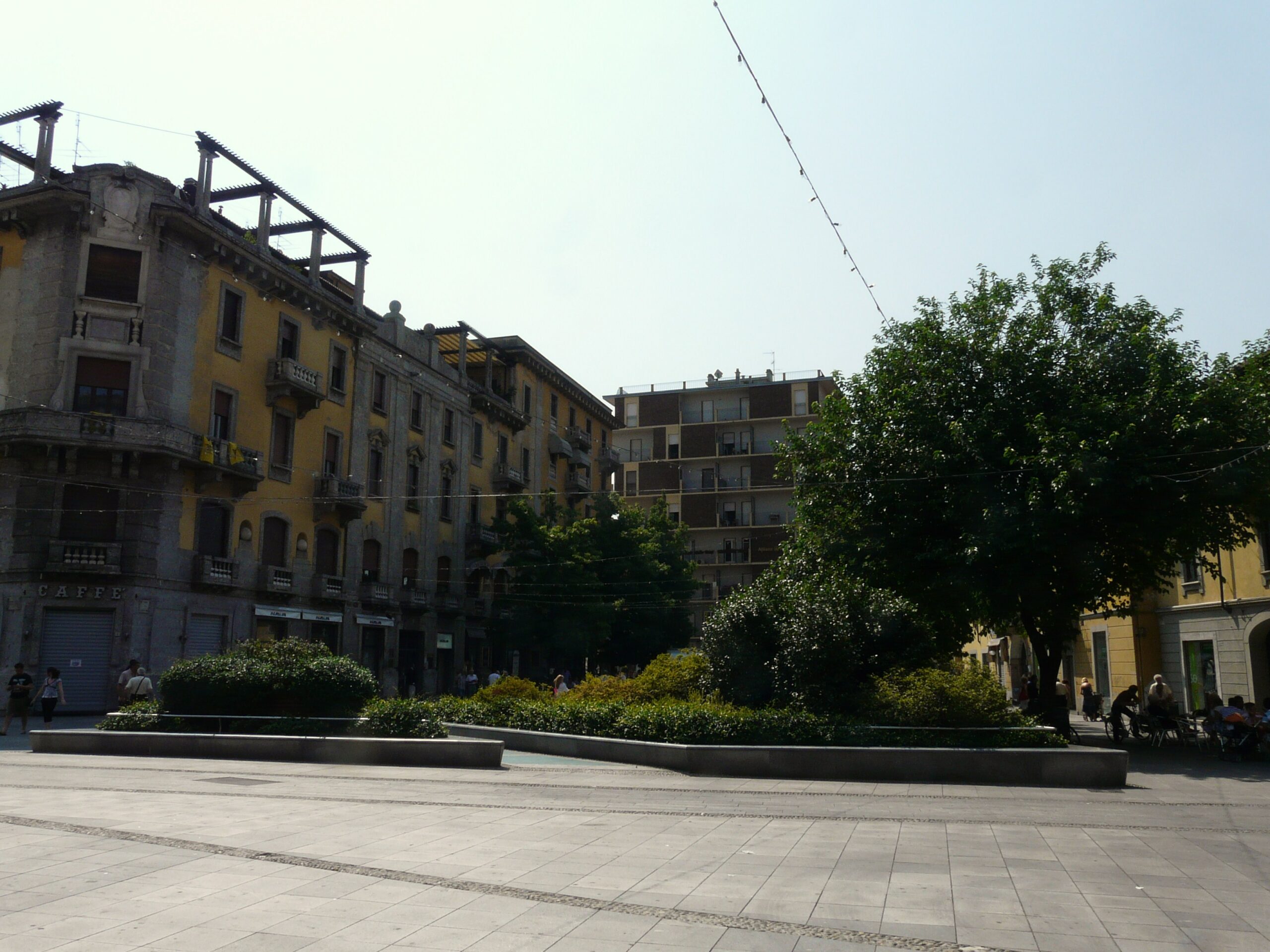
Founded in Magenta outside Milan in 1916, the textile mill established by Giuseppe Oleari originated as an artisanal manufacturer of woven cottons, linings, and technical fabrics supporting northern Italy’s regional garment trades.
Technical Weaving and Umbrella Cloth Mastery
Located near the historical waterways and transport canals of the western Milanese plain, the Manifattura Oleari focused on dense, durable cotton weaves capable of withstanding heavy daily use. In the interwar decades, the mill acquired specialized machinery to produce impermeable cotton fabrics and high-tenacity linings designed specifically for umbrella manufacturing. This niche specialization made the Magenta factory a principal supplier for umbrella makers throughout Lombardy and Piedmont, developing an intimate expertise in fabric water-repellency, color-fast dyes, and mechanical loom consistency.
The Graphic Design Revolution and Pop Culture Legacy
In the 1970s and 1980s, the founder’s grandsons transformed the utilitarian textile mill into a cultural phenomenon by introducing whimsical, colorful pattern prints featuring tiny flowers, ladybugs, palm trees, and geometric motifs. Branded as Naj-Oleari, the firm applied these distinctive patterns to school backpacks, stationary, raincoats, and accessories, becoming an iconic emblem of the ‘Paninaro’ youth culture and a celebrated exponent of accessible Italian design.
As heavy textile manufacturing evolved globally, the historical factory complex in Magenta was retired from primary fabric weaving. Portions of the historic industrial structures have been preserved and adapted into modern retail and residential buildings, maintaining a vital connection to Magenta’s rich industrial heritage.
Historic Site & Location
Historic Address: Via Novara / Via Espinasse, Magenta, MI, Italy
Sources
- S1 — Triennale di Milano, Archivio Storico del Design e delle Manifatture Tessili Lombarde — https://www.triennale.org/
- S2 — Comune di Magenta, Archivio Storico dell’Archeologia Industriale Magentina — https://www.comune.magenta.mi.it/
- S3 — Camera di Commercio di Milano Monza Brianza Lodi, Registro Imprese Storiche — https://www.milomb.camcom.it/
Spotted an error? Write to [email protected] and we correct it the same day.