Artisanal perfumery, Art Deco glassmaking, and timeless sartorial sophistication in Parma.
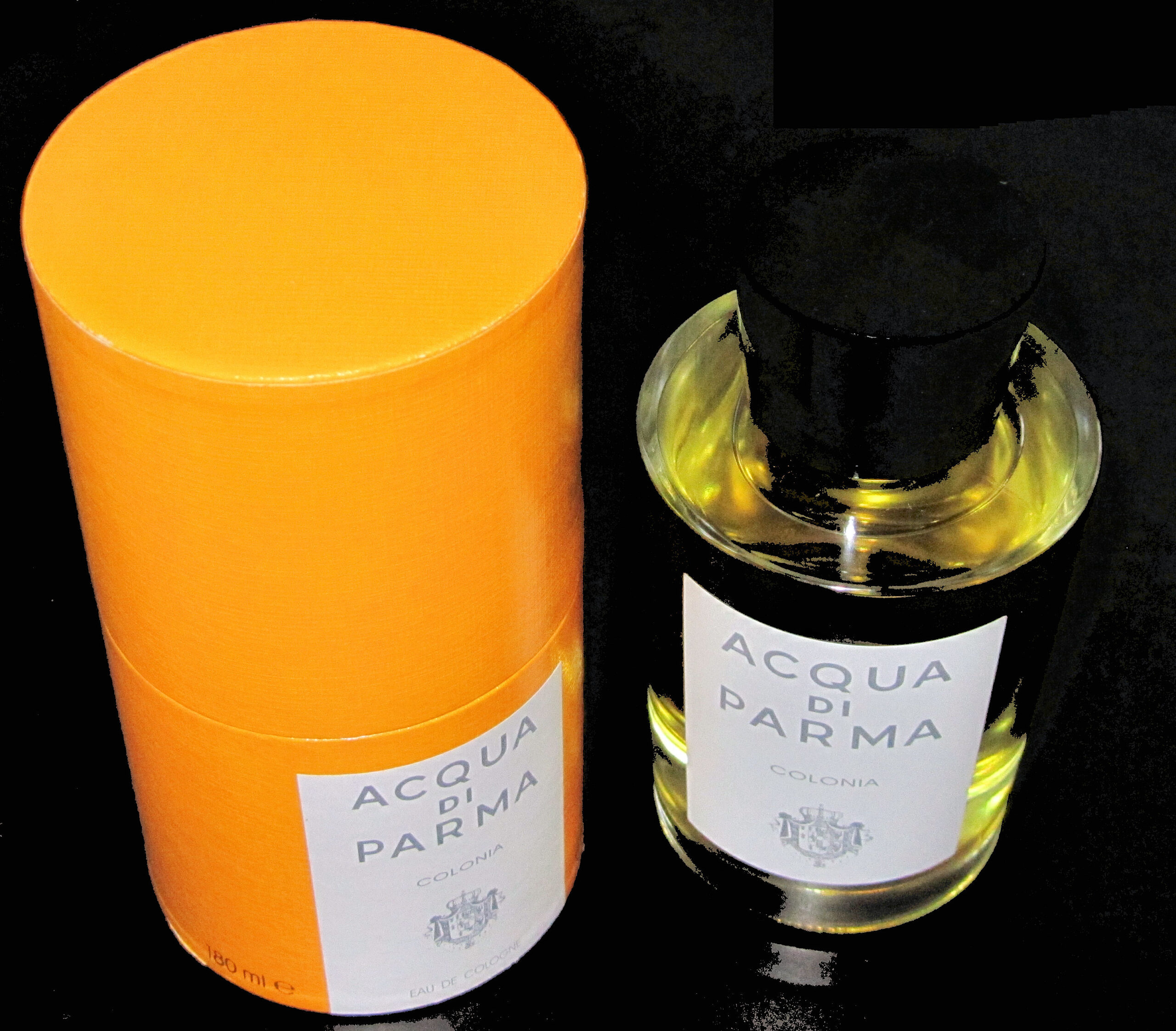
Created in 1916 in the historic ducal city of Parma by Baron Carlo Magnani, Acqua di Parma originated not as a commercial cosmetic venture, but as a bespoke personal fragrance that would redefine Italian olfactory elegance for more than a century.
The Birth of Colonia in Borgo San Biagio
In the mid-1910s, European perfumery was dominated by heavy, intensely concentrated scents from Parisian and German chemical houses. Seeking an understated, uplifting fragrance suited to warm Mediterranean climates, Baron Magnani blended natural Sicilian citrus essences—sweet orange, bergamot, and lemon—with aromatic accents of lavender, rosemary, and verbena in a quiet workshop atelier near Via Cavour. The resulting creation, named “Colonia”, was initially reserved for the baron and a close circle of aristocrats before finding an unexpected champion among Italy’s master tailors, who began misting the cologne over bespoke wool and linen suits prior to client fittings.
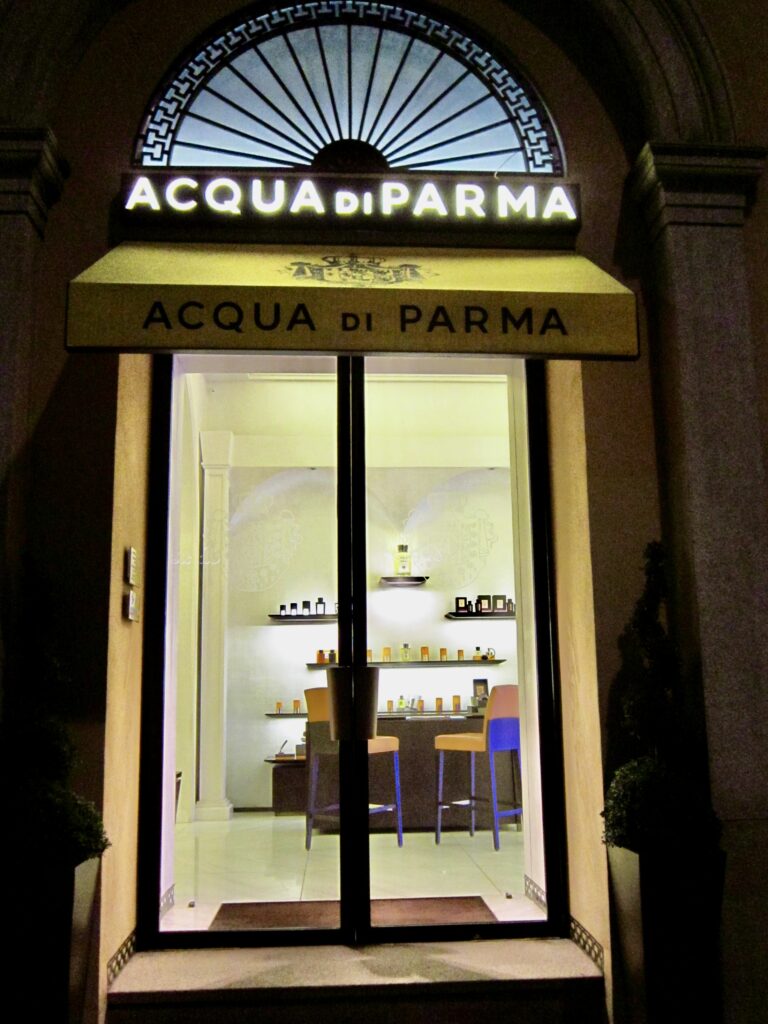
Art Deco Design and International Stardom
In the 1930s, the fragrance adopted its iconic Art Deco presentation: a tapered cylindrical glass bottle with a bakelite cap, nestled within a cylindrical box wrapped in the distinctive “Giallo Parma” (Parma Yellow)—the traditional warm ochre pigment adorning the historic palaces of the Farnese dukes. Following the Second World War, as Hollywood filmmakers flocked to Rome to shoot Cinecittà epics, legends like Cary Grant and Audrey Hepburn discovered Colonia in Roman sartorial boutiques, propelling the artisan fragrance to global renown. Following an independent revival in the 1990s, the heritage house joined the LVMH luxury portfolio in 2001, preserving its roots in the historic center of Parma.
Historic Site & Location
Historic Address: Via Cavour, Parma, PR, Italy
Sources
- S1 — Comune di Parma, Archivio Storico, Tradizione profumiera e botteghe storiche di Parma — https://cultura.comune.parma.it/
- S2 — Accademia del Profumo, Storia dell’arte profumiera italiana del Novecento — https://www.accademiadelprofumo.it/
- S3 — Musei Civici di Parma, Archivi dell’artigianato e della moda farnesiana — https://www.museidelcibo.it/
Spotted an error? Write to editorial@culturalheritageonline.com and we correct it the same day.