Electrochemical energy, wartime production, and industrial heritage in Florence.
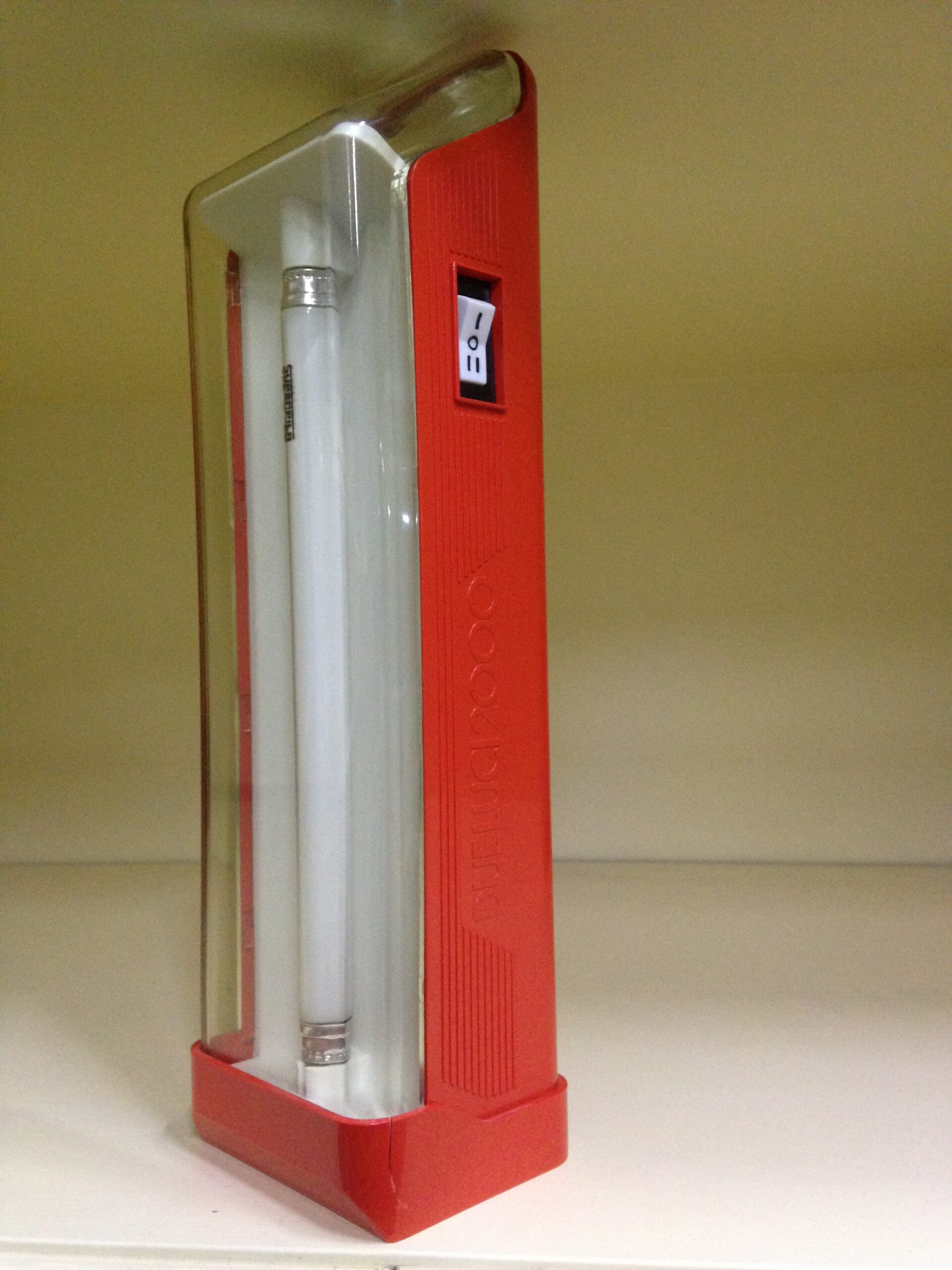
Established in 1917, Superpila became one of twentieth-century Italy’s most recognizable consumer brands, pioneering the domestic manufacturing of dry-cell batteries and portable electric torches during a pivotal era of industrial electrification.
From Venetian Origins to Florentine Expansion
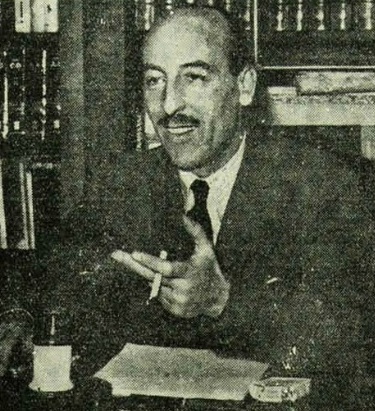
The company was initially formed in Venice in 1917 under the title “Società Anonima Pila Pilla” through the initiative of Swiss-Italian industrial engineer Gian Carlo Stucky. However, seeking superior logistics and factory facilities sheltered from Adriatic coastal hostilities, the production was relocated in 1918 to Florence, setting up its first workshops in a warehouse on Via Galluzzi 16 in the northern district of Rifredi. In 1924, the enterprise officially shifted its corporate domicile to Florence, adopting the name “Società Anonima Superpila – Stabilimenti Pilla Leclanché”.
Electrochemical Production and Working-Class History
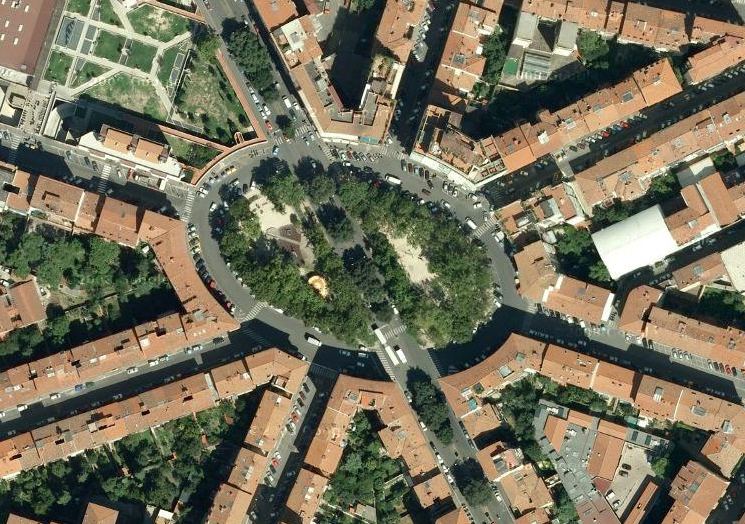
The company constructed an extensive manufacturing complex on Piazza Pietro Leopoldo, bordering Via Circondaria and the railway axis. Throughout the 1920s and 1930s, Superpila transformed Rifredi into a vibrant center of electrochemical innovation, producing millions of zinc-carbon dry cells, specialized radio accumulators, and durable metallic pocket torches such as the famed Dueluci. The factory’s workforce was also central to Florentine labor history: in March 1944, Superpila workers joined thousands of comrades across Rifredi in the historic industrial strikes opposing Nazi-fascist occupation.
Following decades of sustained civilian output, manufacturing was transferred to modern premises in Scandicci in the 1980s before the brand was absorbed by international battery conglomerates. The historical factory on Piazza Pietro Leopoldo was subsequently decommissioned and completely demolished; today, the former industrial footprint has been transformed into a modern retail supermarket complex and contemporary residential housing blocks.
Historic Site & Location
Historic Address: Piazza Pietro Leopoldo, Firenze, FI, Italy
Sources
- S1 — Comune di Firenze, Archivio Storico, Memoria industriale del quartiere di Rifredi e Poggetto — https://www.comune.fi.it/
- S2 — Società di Mutuo Soccorso di Rifredi, Archivio Storico delle Industrie di Rifredi — https://www.smsrifredi.it/
- S3 — Istituto Storico Toscano della Resistenza e dell’Età Contemporanea (ISRT), Fondo scioperi operai 1944 — https://www.istoreto.it/
Spotted an error? Write to editorial@culturalheritageonline.com and we correct it the same day.