
Established as a dedicated division in 1917, Fiat Ferroviaria became a driving force in the modernization of Italian and European rail transport, introducing revolutionary designs in motorized railcars and high-speed trains.
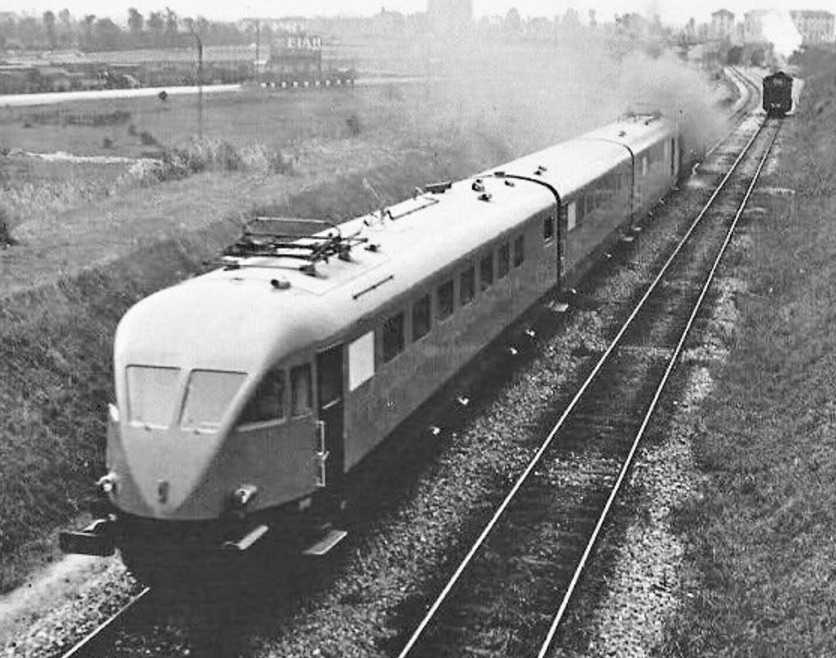
The Advent of the Motorized Railcar
In 1917, seeking to diversify its immense industrial portfolio and address the pressing need for efficient mass transit, the FIAT conglomerate formally established Fiat Ferroviaria as a dedicated division for railway engineering. Operating out of the massive industrial complexes in Turin, the division initially focused on producing traditional steam locomotives and freight cars to support the war effort and the subsequent national reconstruction. However, Fiat Ferroviaria soon recognized the strategic potential of internal combustion engines applied to rail transport. During the 1920s, the company pioneered the development of the ‘Littorina’, a series of lightweight, self-propelled thermal railcars. These innovative vehicles, powered by robust diesel or petrol engines derived from Fiat’s automotive and aeronautical divisions, revolutionized regional rail travel. The Littorine were vastly cheaper to operate than heavy steam trains, allowing for increased frequency of service on secondary lines and dramatically reducing travel times across the mountainous Italian peninsula.
Engineering the Future of High-Speed Rail
Building upon the success of its early railcars, Fiat Ferroviaria embarked on increasingly ambitious engineering projects throughout the 1930s. The division became a global leader in the design of aerodynamic, high-speed electric and diesel-electric trains. A crowning achievement of this era was the development of the ETR 200 series for the Italian State Railways (FS). These sleek, articulated electric trains were designed for luxury express services and represented a quantum leap in railway technology, featuring advanced suspension systems and aerodynamic profiling tested in wind tunnels. In 1939, an ETR 200 famously set a world speed record, cementing Fiat Ferroviaria’s reputation for engineering excellence. Beyond rolling stock, the company also produced critical railway infrastructure components, including advanced bogies and signaling equipment. The legacy of Fiat Ferroviaria’s interwar innovations laid the essential groundwork for the post-war development of true high-speed rail networks across Europe.
Interactive 360° Heritage View: Stabilimento Fiat Mirafiori (Sezione Ferroviaria storica)
Historical Location: Corso Giovanni Agnelli, 200, 10135 Torino TO, Italy (Coordinates: 45.0296, 7.6358)