On January 6, 1926, at the Hotel Kaiserhof in Berlin, the historic merger between Deutscher Aero Lloyd and Junkers Luftverkehr gave birth to Deutsche Luft Hansa A.G. Adopting Otto Firle’s iconic stylized crane insignia, Lufthansa pioneered night passenger flights, transcontinental routes, and all-metal airliner fleets, laying the institutional and technological cornerstone of modern European civil aviation.
The Kaiserhof Merger of 1926: Erhard Milch and the Blue Crane
In early 1926, fragmented airline operators and severe postwar aerodynamic restrictions threatened to paralyze Germany’s civilian transport sector. Under the leadership of aviation directors Erhard Milch and Otto Merkel, the nation’s two primary airlines merged into a single state-supported carrier: Deutsche Luft Hansa. The company retained the navy blue and yellow colors along with the dynamic flying crane emblem created in 1918 by graphic designer Otto Firle.
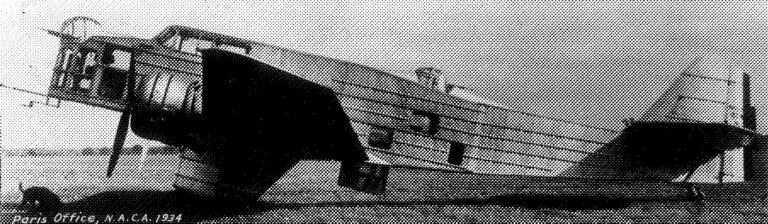
Operating out of Berlin’s newly opened Tempelhof Airport, Lufthansa launched scheduled passenger and airmail services linking Berlin with Zurich, Amsterdam, London, and Moscow, operating pioneering all-metal Junkers F 13 and G 24 multi-engine airliners.
From Iron Birds to Global Alliance: A Century of Flight Leadership
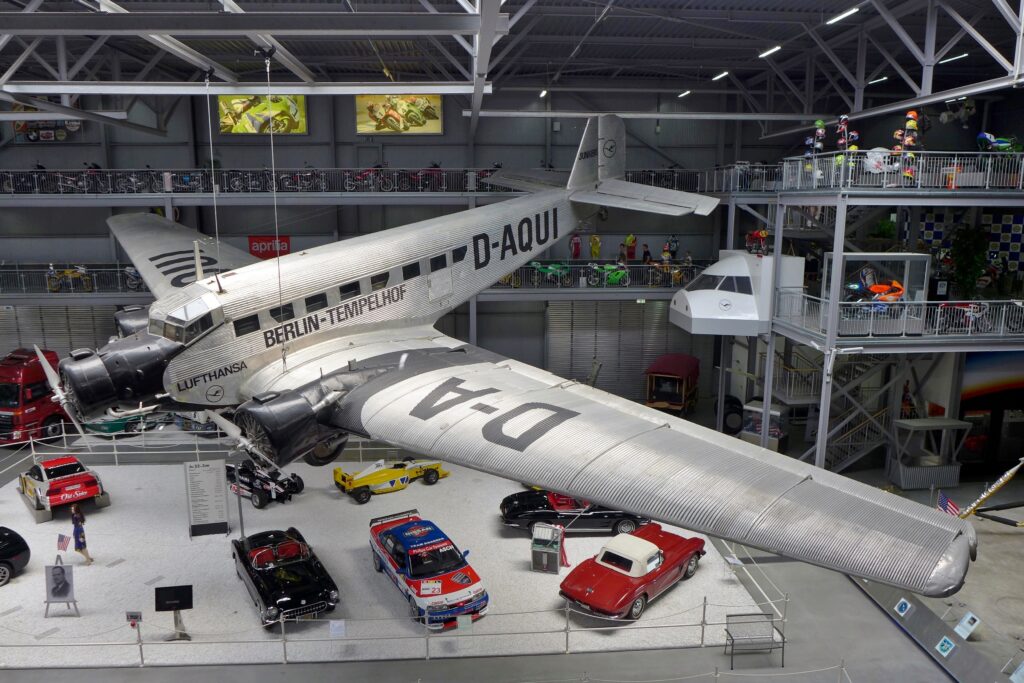
Throughout the 1930s, Lufthansa made aviation history by operating the legendary three-engine Junkers Ju 52 (“Tante Ju”) and establishing pioneering transatlantic catapult-assisted postal flights to South America across the Atlantic ocean.
Re-established in Cologne in the postwar era, Deutsche Lufthansa grew into Europe’s largest airline group and a founding pillar of the Star Alliance, approaching its monumental 2026 centenary as an undisputed titan of global aerospace history.
Fabbrica di aeroplani: costruzione e collaudo dei velivoli storici
Immagini d'archivio storico dell'Istituto Luce che testimoniano l'ingegneria aeronautica, il montaggio di aerei trimotori e le officine di volo interbelliche. (Fonte: Archivio Storico Istituto Luce Cinecittà / Cinegiornali d’epoca)
Interactive 360° Street View: Deutsche Lufthansa Global Headquarters & Historic Aviation Campus
Historical Location: Venloer Straße 151, 50672 Köln / Historic Berlin-Tempelhof Airport, Germany (Coordinates: 50.9421, 6.9319)