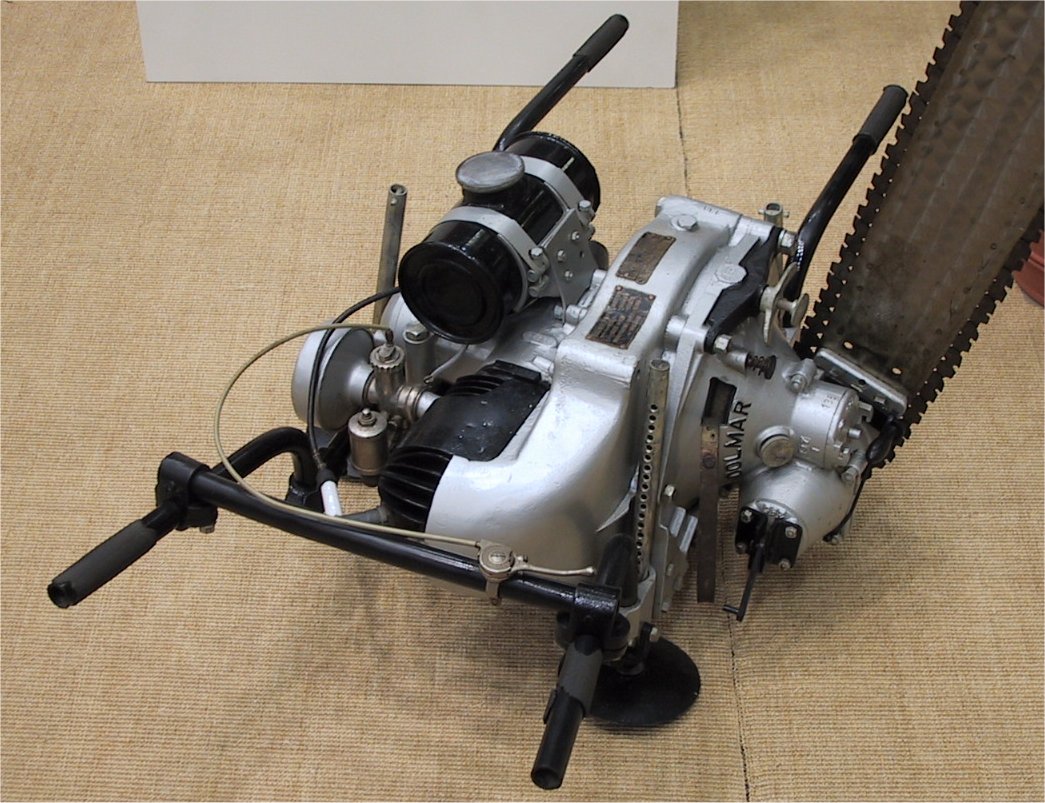
In 1927, German inventor and entrepreneur Emil Lerp conducted the first successful field trial of the world's first gasoline-powered two-man chainsaw on Mount Dolmar in Thuringia. Naming his enterprise Dolmar after the peak where his prototype proved its power, Lerp established serial manufacturing in Hamburg-Wandsbek, permanently revolutionizing global forestry, timber harvesting, and power tool engineering with lightweight, motor-driven cutting technology.
Mount Dolmar Trials: Emil Lerp and the "Type A" Revolution (1927)
For centuries, the extraction of timber from dense European forests relied entirely on manual crosscut two-man saws, backbreaking labor that limited forestry yields and exposed lumberjacks to extreme physical toll. In 1927, mechanical engineer Emil Lerp (1886–1966) designed a two-stroke gasoline combustion engine capable of driving a continuous cutting chain around a guide bar. Taking his prototype up the forested slopes of Mount Dolmar in the Thuringian forest, Lerp felled massive fir trunks in a fraction of the manual time.
Establishing Dolmar Maschinen-Fabrik in Hamburg-Altona and soon moving to large industrial premises in Hamburg-Wandsbek, Lerp began production of the legendary Type A chainsaw. Weighing 58 kilograms and operated by two men, the Type A doubled timber extraction productivity across Scandinavia, Central Europe, and North America.
From Two-Man Giants to One-Man Forestry Titans: A Century of Arboricultural Science
Following the interwar success of the Type A and Type C, Dolmar introduced the world’s first one-man chainsaw, the Model CP, in 1952. Incorporating magnesium die-cast crankcases, automatic chain lubrication, and centrifugal clutches, Dolmar transformed the chainsaw from an awkward industrial machine into an ergonomic, indispensable tool for arborists, rescue workers, and foresters worldwide.
Later integrated into Sachs-Dolmar and eventually joining the global Makita power tool group, the Hamburg engineering facilities remain a vital historic milestone in the mechanization of modern forestry, approaching their 2027 centenary with enduring technical prestige.
Caratteristico artigianato dell'intaglio in legno e lavoro boschivo
Immagini d'archivio storico dell'Istituto Luce che testimoniano le antiche tradizioni forestali, la lavorazione del legname e l'evoluzione degli attrezzi da taglio boschivi. (Fonte: Archivio Storico Istituto Luce Cinecittà)
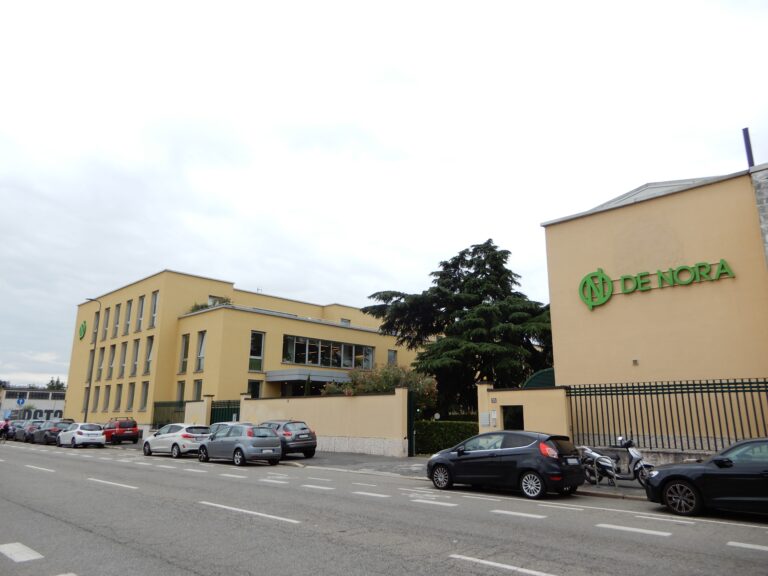
Interactive 360° Street View: Historic Dolmar Power Tool Manufacturing Campus
Historical Location: Jenfelder Straße 38, 22045 Hamburg-Wandsbek, Germany (Coordinates: 53.5785, 10.125)