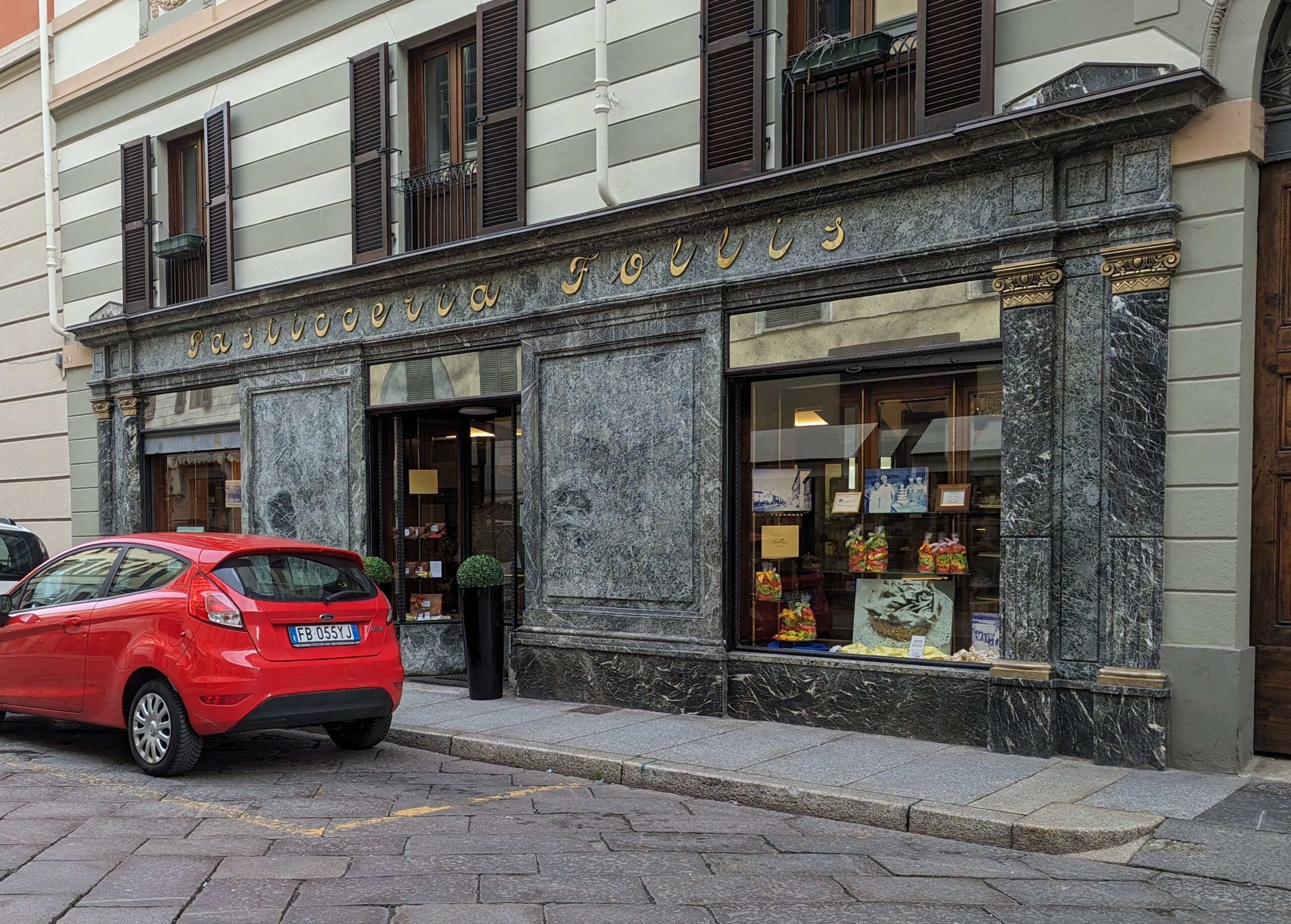
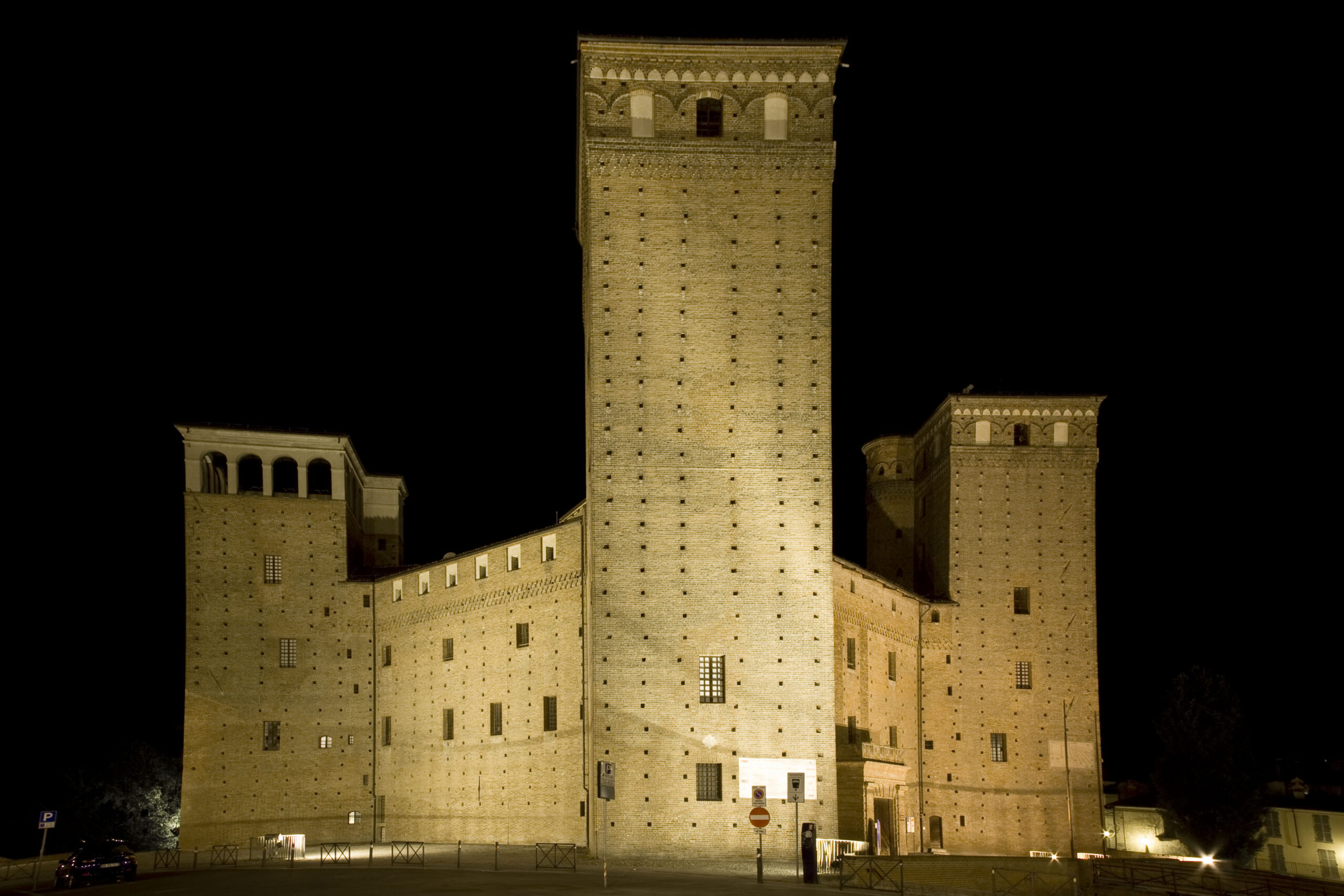
In 1927, in the shadow of the monumental brick towers of the Castello dei Principi d'Acaja in Fossano, master pastry chef Francesco Antonio Balocco opened a charming confectionery workshop with two large arched display windows. Born in 1903 and trained in the rigorous confectionery salons of Turin and Bra, Balocco dedicated his craft to perfecting mother-yeast leavening, initiating a sweet lineage that would transform a local provincial bakery into an international emblem of festive baking.
From Sourdough Secrets to the Legendary Mandorlato
Fossano in 1927 was a vital agricultural market town where grain from the Cuneo plains met dairy herds and Piedmontese hazelnut orchards. Francesco Antonio Balocco recognized that the true secret of high confectionery lay not in hurried shortcuts, but in the patient, natural fermentation of living sourdough (*lievito madre*), nurtured daily with flour and water.
His laboratory quickly became famous throughout the province for its fragrant pastries, dry biscuits (*paste di meliga*), and soft holiday cakes. Following the Second World War, his son Aldo Balocco expanded upon this artisanal foundation: in the 1950s, he perfected the *Mandorlato Balocco*, an ingenious reinvention of the classic panettone crowned with a crisp glaze of Piedmont hazelnuts, whole almonds, and granulated sugar. The aroma wafting across Piazza Castello was soon packaged and shipped nationwide.
A Family Dynasty Anchored in Fossano's Landscape
While Balocco eventually relocated its primary baking lines to modern facilities in Via Santa Lucia on the outskirts of Fossano, the family resolutely chose never to detach the brand from its hometown soil. The company remains 100% family-owned across four generations, maintaining a rare continuity of ownership and regional commitment.
Today, visitors strolling through Piazza Castello can pause before the historic premises where Francesco Antonio first lit his ovens in 1927. The contrast between the ancient 14th-century fortress and the aromatic baking history born at its base encapsulates the profound culinary heritage of Piedmont.
Tradizioni e dolciari d'eccellenza in Piemonte negli anni Venti e Trenta
Cinegiornale storico dell'Istituto Luce dedicato alle antiche corporazioni dell'arte bianca piemontese, ai mulini a cilindri e alla pasticceria delle Langhe. (Fonte: Archivio Storico Istituto Luce Cinecittà)
Interactive 360° Heritage View: Piazza Castello — Historic Balocco Bakery Site
Historical Location: Piazza Castello 2, 12045 Fossano CN, Italy (Coordinates: 44.55125, 7.72446)
Historical Archive Gallery