Latin America’s foundational aircraft manufacturing plant, national aeronautical design, and century-long engineering heritage born in Córdoba.
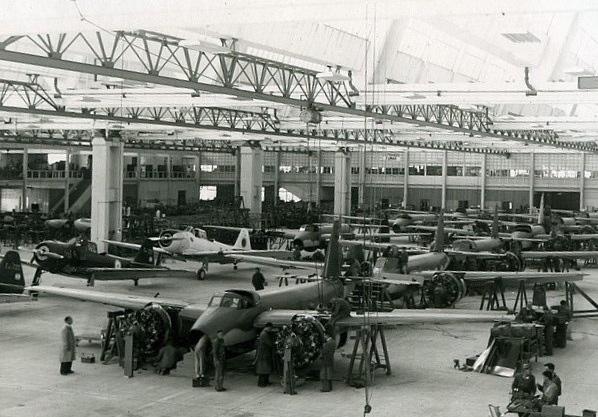
In the 1920s, Argentina experienced profound economic expansion and an ambitious drive toward technological self-reliance. Recognizing that modern national defense and vast territorial integration demanded domestic aerospace capabilities, the Argentine government authorized the creation of a dedicated military aviation plant. On 10 October 1927, under the visionary leadership of Major Francisco de Arteaga, the Fábrica Militar de Aviones was formally inaugurated in Córdoba. The momentous event marked the birth of Latin America’s very first industrial aircraft manufacturing facility, permanently transforming the central Argentine province into a continental aeronautical epicenter.
Licensed Construction, Indigenous Design, and Technological Training
Establishing the facility required constructing specialized flight hangars, engine testing benches, aerodynamic wind testing equipment, and metallurgical casting workshops. Initially, the Córdoba plant manufactured trusted European designs under license, assembling Avro 504 trainers, Bristol fighters, and Lorraine-Dietrich aero engines. However, Arteaga’s ambition was to cultivate domestic Argentine aeronautical engineering. By the early 1930s, local engineers were drafting indigenous Argentine designs such as the Ae.C.1 and Ae.C.2 civilian monoplanes, utilizing regional timber, domestic aluminum alloys, and high-precision tooling.
Interwar Aerospace Mastery and the Córdoba Industrial Cluster
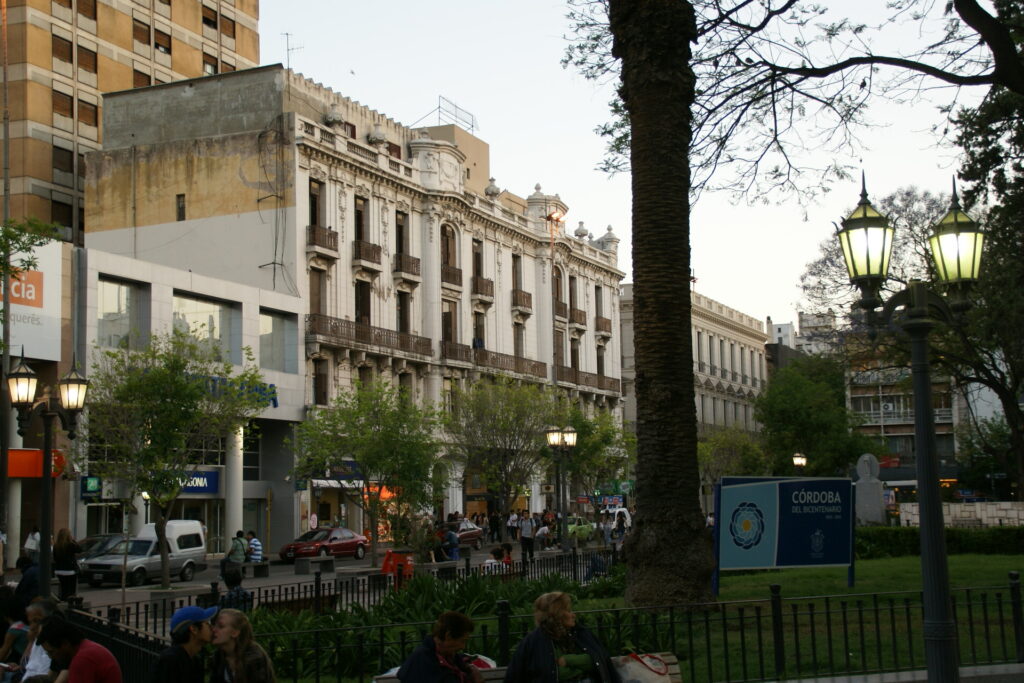
The creation of the aircraft factory acted as a transformative catalyst for the entire regional economy of Córdoba. It gave rise to the prestigious Instituto Aerotécnico and an extensive network of specialized precision workshops, attracting world-class aeronautical designers in the post-war decades, including French engineer Émile Dewoitine and German designer Kurt Tank. These collaborations produced landmark South American aviation achievements, including the pioneering Pulqui I and Pulqui II swept-wing jet prototypes, representing the cutting edge of global aviation technology during the mid-twentieth century.
Known today as FAdeA (Fábrica Argentina de Aviones «Brigadier San Martín»), the historic Córdoba installation along Avenida Fuerza Aérea Argentina continues its proud heritage of manufacturing, aircraft modernization, and aerospace maintenance, standing as an enduring symbol of Latin American industrial ambition.
Historic Site & Location
Historic Address: Avenida Fuerza Aérea Argentina 5500, X5010 Córdoba, Argentina
Sources
- S1 — Fábrica Argentina de Aviones (FAdeA), Cronología y Patrimonio Aeronáutico — https://www.fadeasa.com.ar/
- S2 — Archivo General de la Nación Argentina, Fondo Industrias Militares y Aviación de Córdoba — https://www.argentina.gob.ar/interior/archivo-general-de-la-nacion
- S3 — Museo Universitario de Tecnología Aeroespacial, Catálogo Histórico de Diseños — https://muta.iua.edu.ar/
Spotted an error? Write to editorial@culturalheritageonline.com and we correct it the same day.