
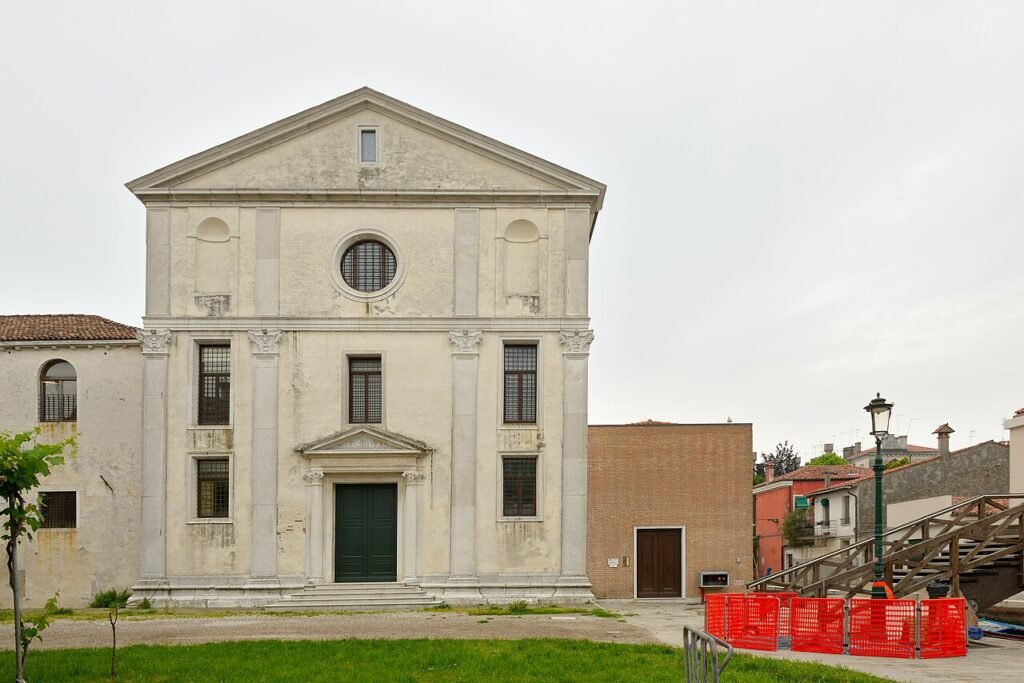
A Renaissance convent church consecrated in 1583, stripped by the Napoleonic suppressions and put to work by the factory age — today a separate survivor beside the cloister it once served.
At a glance
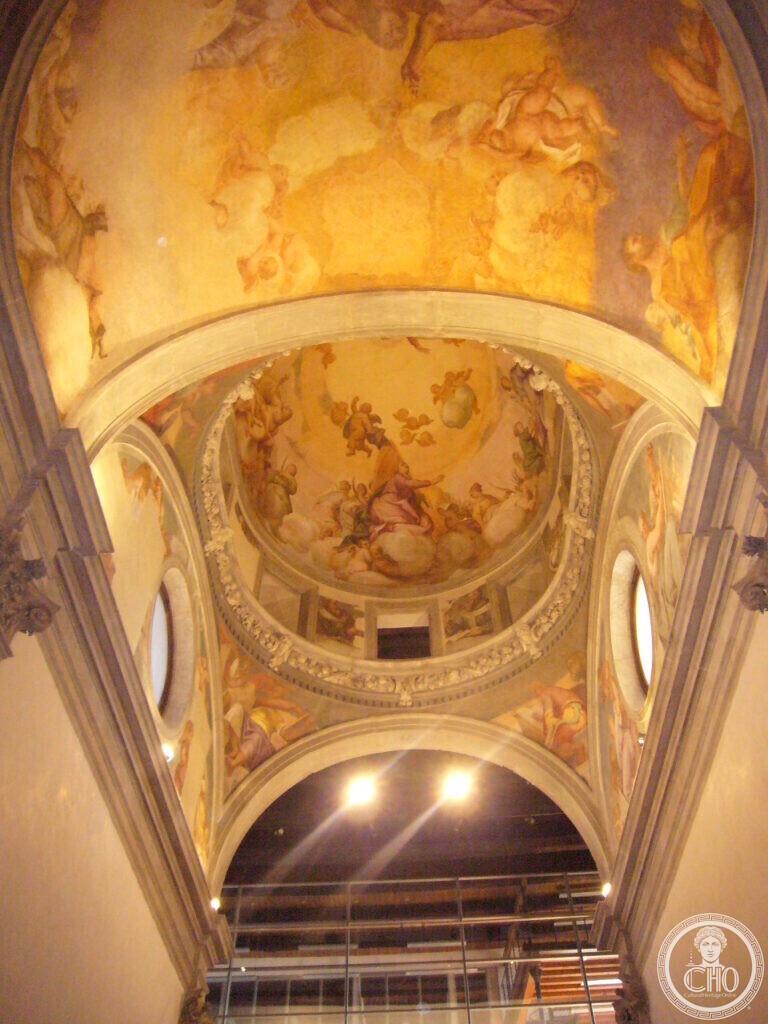
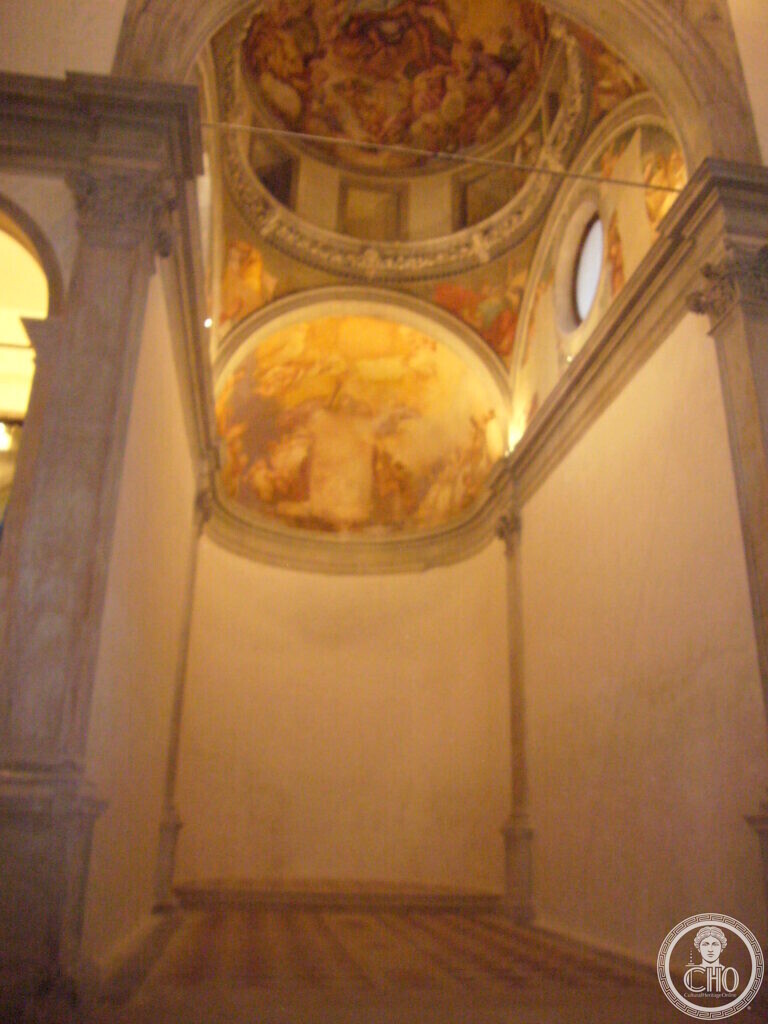
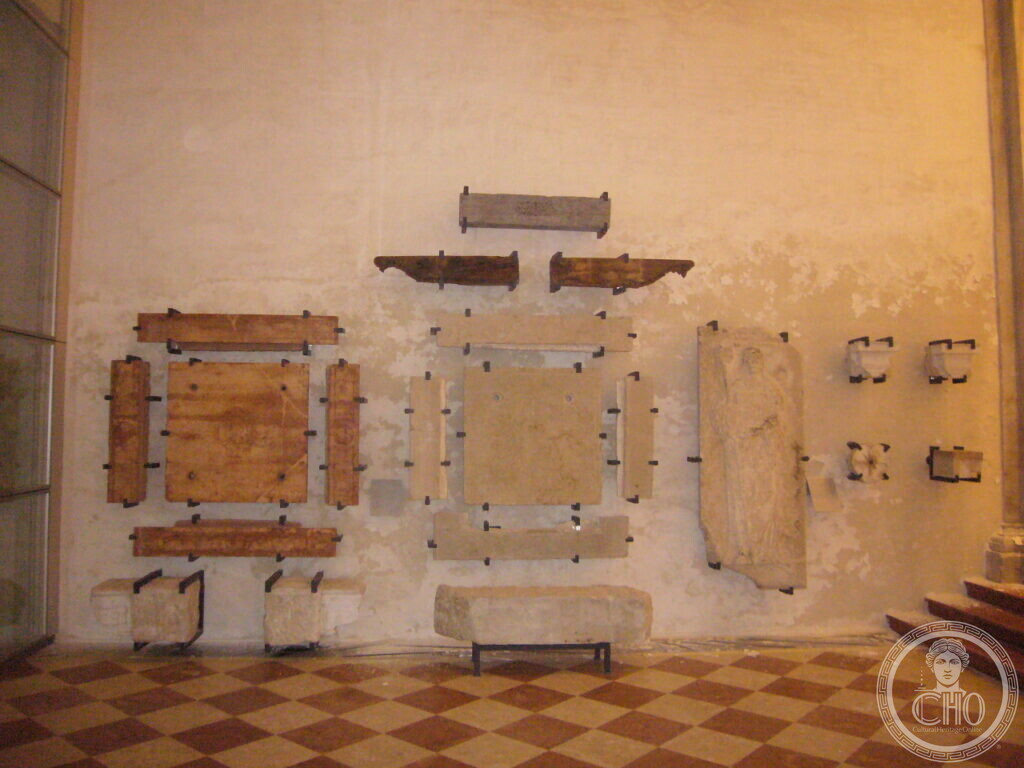
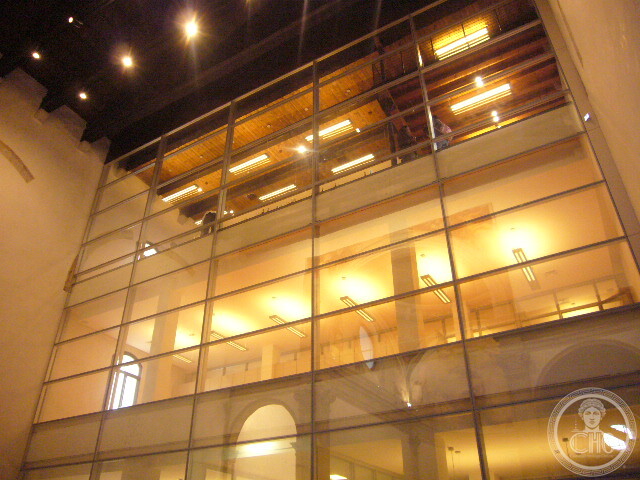
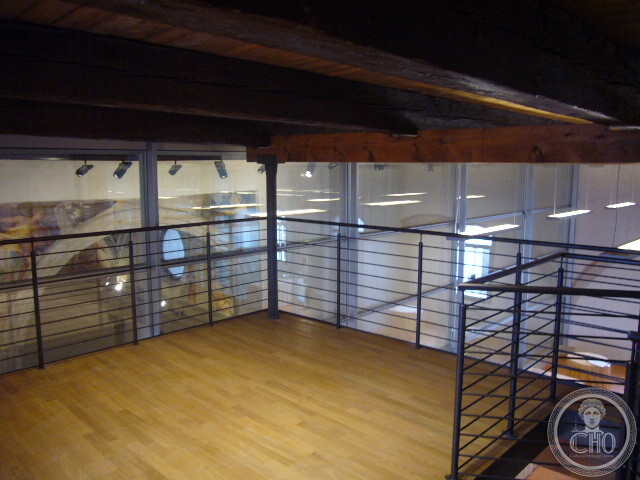
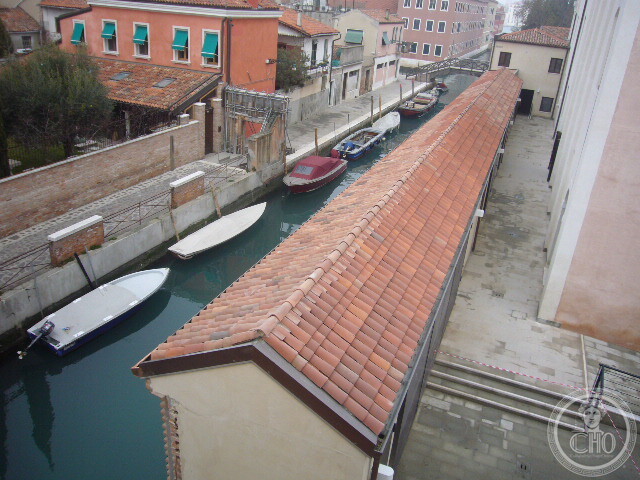
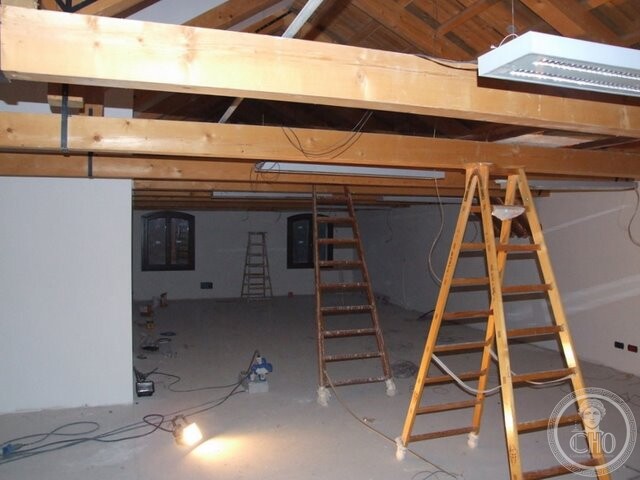
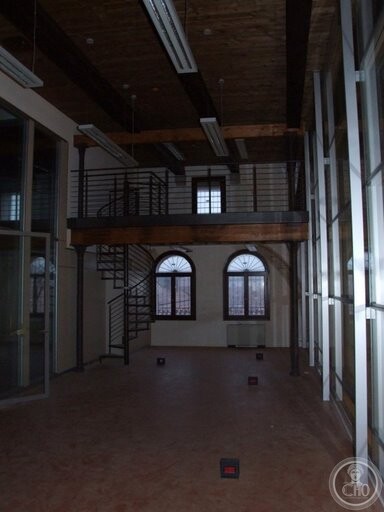
The church of Santi Cosma e Damiano rises next to the former Benedictine convent of the same name, a clean Renaissance front of white render and stone pilasters under a wide pediment. Built in the first decade of the 1500s for the nuns of Marina Celsi’s foundation, it once held paintings by Tintoretto, Tiepolo and Sebastiano Ricci. The religious life ended with Napoleon; the art is dispersed; and the building now houses office and institutional space. Church and convent survive side by side, but as Luigi De Marchi’s photographs of the complex show, they are two different realities today — one working as a craft centre, the other closed to worship.
Key facts
- Built: first decade of the 16th century; consecrated 30 May 1583
- Origin: church of the Benedictine convent founded in the late 1400s by the nun Marina Celsi
- Lost art: works by Tintoretto, Tiepolo, Sebastiano Ricci and others; two canvases confiscated in 1806 went to the Brera in Milan
- 18th-century addition: altar of the Blessed Virgin of the Rosary by Antonio Gaspari, 1708–1710
- Industrial era: from 1895 part of the Herion knitwear works that took over the complex
- Today: deconsecrated; used for office and institutional activities, separate from the craft centre in the former convent
- Location: approx. 45.4255 N, 12.3234 E
History
The convent came first: Marina Celsi, a Benedictine nun, established it towards the end of the fifteenth century. The church followed in the first decade of the Cinquecento and was consecrated on 30 May 1583, dedicated to the physician-saints Cosmas and Damian. Over two centuries the nuns filled it with serious art — canvases by Tintoretto, Tiepolo and Sebastiano Ricci among others — and in 1708–1710 the architect Antonio Gaspari, a leading figure of the Venetian late Baroque, built the altar of the Blessed Virgin of the Rosary.
The fall was fast. With the Napoleonic occupation the convent was suppressed; in 1806 the French confiscated Sebastiano Ricci’s David dancing before the Ark and Angelo Trevisani’s Expulsion of the merchants from the Temple, which reached Milan’s Brera gallery in 1809. In 1895 the whole complex passed to the Herion knitwear company, and the church of the nuns stood inside a factory for most of the twentieth century. The city’s restoration of the complex in the late 1990s recovered the cloister and workshops for public use; the church itself now serves institutional and office functions and is not an active place of worship.
What you see
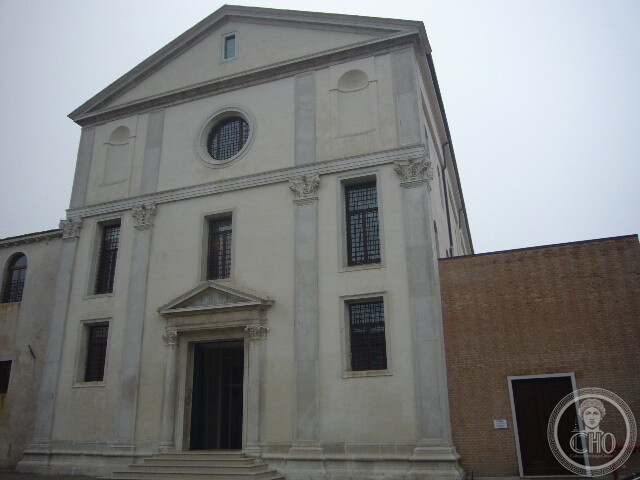
The facade is the church’s calling card: a tall, tripartite Renaissance front articulated by paired Corinthian pilasters in Istrian stone, two shell-headed niches, a central oculus and a stone portal under its own small pediment. The proportions are severe and almost entirely without sculpture — convent architecture, built for enclosed nuns rather than public display. The green double door stays shut; the grilles on the flanking windows remember the enclosure. To its right a modern brick volume marks the complex’s later working life, and the bridge over the rio rises just beyond.
Cultural significance
Venice counts its closed churches by the dozen, but few sit in so complete a piece of urban history: foundation, enclosure, suppression, factory, regeneration, all within one block of the Giudecca. The church is the quiet half of that story. Its dispersed paintings trace the fate of Venetian religious art after 1797, and its shut facade — a few steps from the reopened cloister full of workshops — makes the contrast between what the city could recover and what it could not.
Practical information
- The church is not open for worship or regular visits; it can be appreciated from the outside.
- The adjoining former convent, with its fifteenth-century cloister and artisan workshops, is the accessible part of the complex.
Getting there
Vaporetto to Palanca (lines 2, 4.1, 4.2), then a short walk into the island. The church stands beside the entrance to the former convent complex.
Nearby
- Former Convent of Santi Cosma e Damiano — the cloister and craft centre next door
- Teatro Junghans — the theatre in the former watch factory’s air-raid bunker
- Villa Hériot — the eclectic villa complex on the island’s south shore
Photo gallery
Video
Sources & resources
Find it on the map
See this place and what’s around it →Record researched and written by Carla Szathvary for Cultural Heritage Online, 2026.

📷 Become a Cultural Heritage Online photographer
Share your photos of places: they stay published under your name as the author. The more they're seen, the more you get noticed — and soon a contest will reward the most appreciated photos.
Log in or sign up free to add a photoIs this page about you?
This page is read by travellers and heritage enthusiasts who find it on Google. Tell us how you are connected to this place and we will take it from there.