
Anniversary: Romania Switches Sides, and the Front Reaches Ghimeș — August 23, 1944
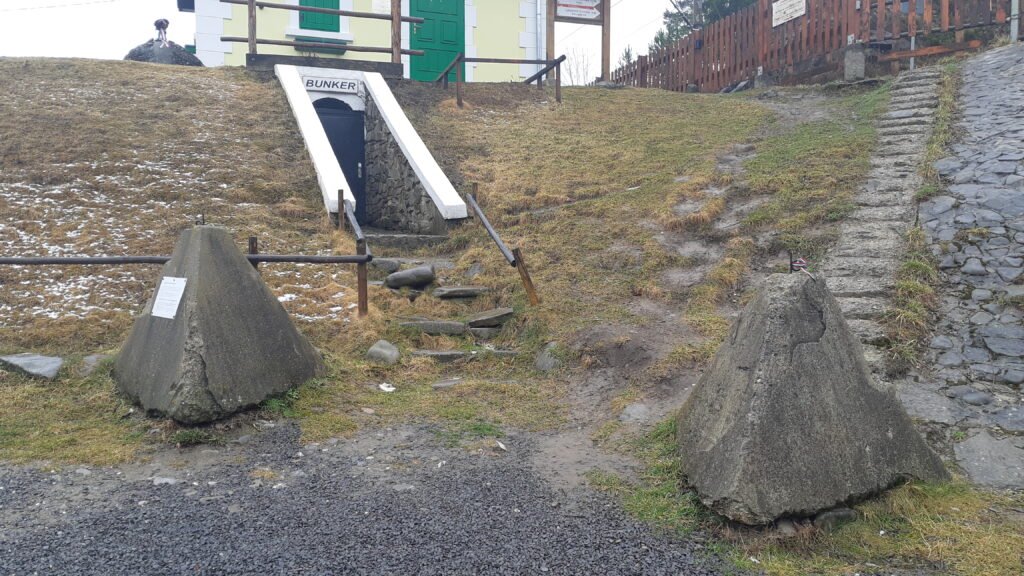
On 23 August 1944, King Michael I of Romania had Marshal Ion Antonescu arrested and announced the end of the alliance with Germany: in a single day, Romania switched from the Axis to the Allied side. For Hungarian troops stationed in the Eastern Carpathians, a friendly border became a fighting line within a week.
Eight days later, on 31 August, Soviet troops occupied Bilibók-tető, the hill overlooking the Ghimeș pass. Hungary’s 4th Székely Border Guard Regiment retook it the same day with a bayonet counter-attack — remembered at Ghimeș to this day as the last battle won by the Hungarian army in the Second World War. The local victory did not change the wider outcome: the Árpád Line, of which the pass was part, was abandoned anyway by the end of October, when the Hungarian front collapsed hundreds of kilometres to the west, on the Debrecen plain.
The Ghimeș pass and Árpád Line entry tells how a change of alliance decided in Bucharest turned, in under two weeks, into a contested bunker in the Carpathians.
📷 Become a Cultural Heritage Online photographer
Share your photos of events: they stay published under your name as the author. The more they're seen, the more you get noticed — and soon a contest will reward the most appreciated photos.
Log in or sign up free to add a photo