
An unbroken oral tradition of reciting Sanskrit mantras, preserved through precise vocalization and memorization for over two millennia.
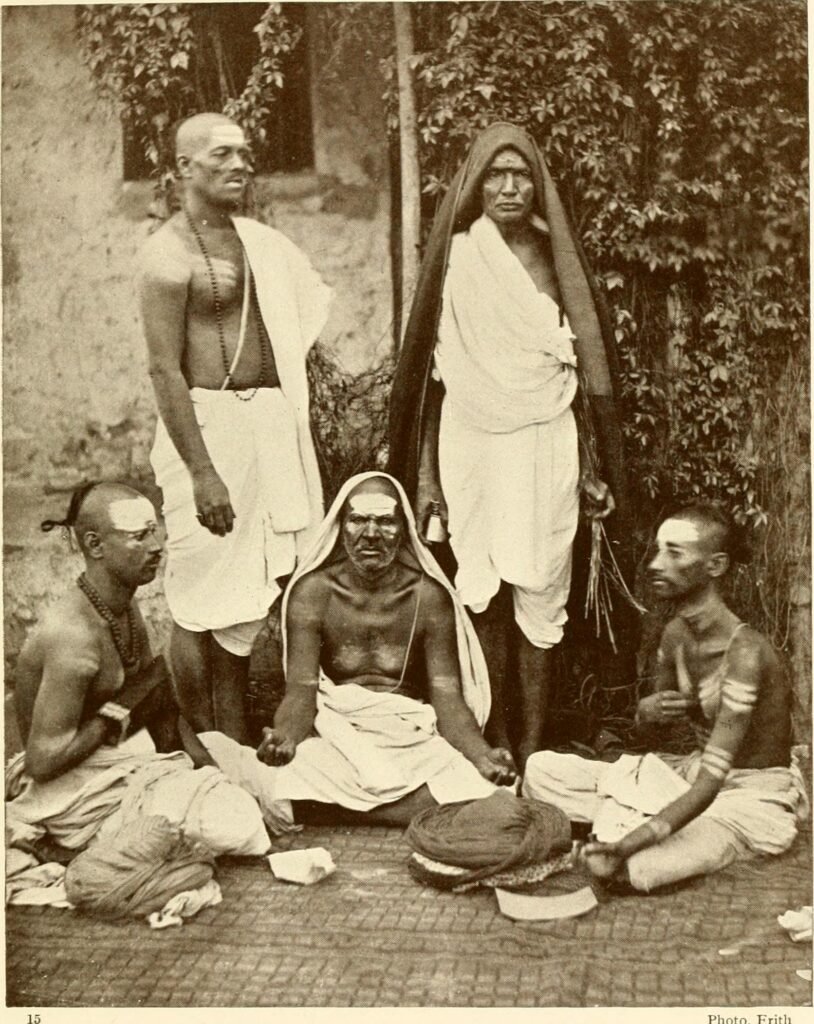
In UNESCO’s words
The Vedas comprise a vast corpus of Sanskrit poetry, philosophical dialogue, myth, and ritual incantations developed and composed by Aryans over 3,500 years ago. Regarded by Hindus as the primary source of knowledge and the sacred foundation of their religion, the Vedas embody one of the world’s oldest surviving cultural traditions. The Vedic heritage embraces a multitude of texts and interpretations collected in four Vedas, commonly referred to as “books of knowledge” even though they have been transmitted orally. The Rig Veda is an anthology of sacred hymns; the Sama Veda features musical arrangements of hymns from the Rig Veda and other sources; the Yajur Veda abounds in prayers and sacrificial formulae used by priests; and the Atharna Veda includes incantations and spells. The Vedas also offer insight into the history of Hinduism and the early development of several artistic, scientific and philosophical concepts, such as the concept of zero. Expressed in the Vedic language, which is derived from classical Sanskrit, the verses of the Vedas were traditionally chanted during sacred rituals and recited daily in Vedic communities. The value of this tradition lies not only in the rich content of its oral literature but also in the ingenious techniques employed by the Brahmin priests in preserving the texts intact over thousands of years. To ensure that the sound of each word remains unaltered, practitioners are taught from childhood complex recitation techniques that are based on tonal accents, a unique manner of pronouncing each letter and specific speech combinations. Although the Vedas continue to play an important role in contemporary Indian life, only thirteen of the over one thousand Vedic recitation branches have survived. Moreover, four noted schools – in Maharashtra (central India), Kerala and Karnataka (southern India) and Orissa (eastern India) – are considered under imminent threat.
Official description, UNESCO Intangible Cultural Heritage List — Tradition of Vedic chanting
At a glance
The Vedas are a vast body of Sanskrit poetry, philosophy, and ritual texts composed by Aryans over 3,500 years ago. Hindus regard them as the primary source of knowledge and the sacred foundation of their religion. Transmitted orally rather than through writing, the four Vedas—the Rig Veda of hymns, the Sama Veda of musical arrangements, the Yajur Veda of prayers and sacrificial formulae, and the Atharna Veda of incantations and spells—represent one of the world's oldest surviving cultural traditions.
Origins & history
The Vedic texts were developed and composed by Aryans over 3,500 years ago. Verses were traditionally chanted during sacred rituals and recited daily in Vedic communities. The texts offer insight into the history of Hinduism and the early development of artistic, scientific, and philosophical concepts, including the concept of zero. Brahmin priests developed ingenious techniques to preserve the texts intact over thousands of years through complex recitation methods based on tonal accents, unique letter pronunciation, and specific speech combinations taught from childhood.
The practice
Vedic recitation uses the Vedic language, derived from classical Sanskrit. Practitioners learn from childhood complex techniques based on tonal accents, precise letter pronunciation, and specific speech combinations to ensure each word's sound remains unaltered. The verses are chanted during sacred rituals. The practice demands intensive training under qualified teachers to master the intricate oral methods that have preserved these texts.
Cultural significance
The Vedas continue to play an important role in contemporary Indian life and remain central to Hindu religious practice. The value of the tradition lies in both the rich content of its oral literature and the preservation techniques that have kept the texts intact. However, only thirteen of over one thousand Vedic recitation branches have survived, and four noted schools—in Maharashtra, Kerala, Karnataka, and Orissa—face imminent threat.
Key facts
- Country: India
- Inscribed: 2008
- UNESCO list: Representative List of the Intangible Cultural Heritage of Humanity
- UNESCO reference: 00062
- UNESCO vocabulary: Oral tradition; Religious belief; Representative literary works; Vocal music
- Map: not shown — UNESCO’s official description of this element names no locality, and a living tradition is practised across a community, not at one address.
Where to experience it
The Vedic tradition persists across India through the work of four major schools located in Maharashtra, Kerala, Karnataka, and Orissa, where Brahmin priests continue to transmit the sacred texts through rigorous oral training. Practitioners learn from childhood the precise recitation techniques—tonal accents, specific letter pronunciation, and complex speech combinations—that have preserved these verses intact for millennia. Though only thirteen of over one thousand Vedic recitation branches survive today, these schools remain vital centers where daily chanting and ritual practice keep the tradition alive within Hindu communities and religious observance.
Sources & resources
- UNESCO — official element page: Tradition of Vedic chanting
- UNESCO — open data record: Intangible Heritage List, reference 00062
- UNESCO — official video: UNESCO film on this element — embedded on this page
- UNESCO — official photograph: Photograph of this element — Indira Ghandi National Centre for the Arts
- Reference — Wikipedia (secondary): Vedic chant — consulted as a secondary reference, not as confirmation
- Cultural Heritage Online: Our archive and city guides

Sources
- S1 — Staal, Frits. Agni: The Vedic Ritual of the Fire Altar. Asian Humanities Press, 1983. ISBN 978-81-208-1660-2.
- S2 — Witzel, Michael. The Origins of the World's Mythologies. Oxford University Press, 2012. ISBN 978-0-19-981010-9.
Spotted an error? Write to editorial@culturalheritageonline.com and we correct it the same day.