
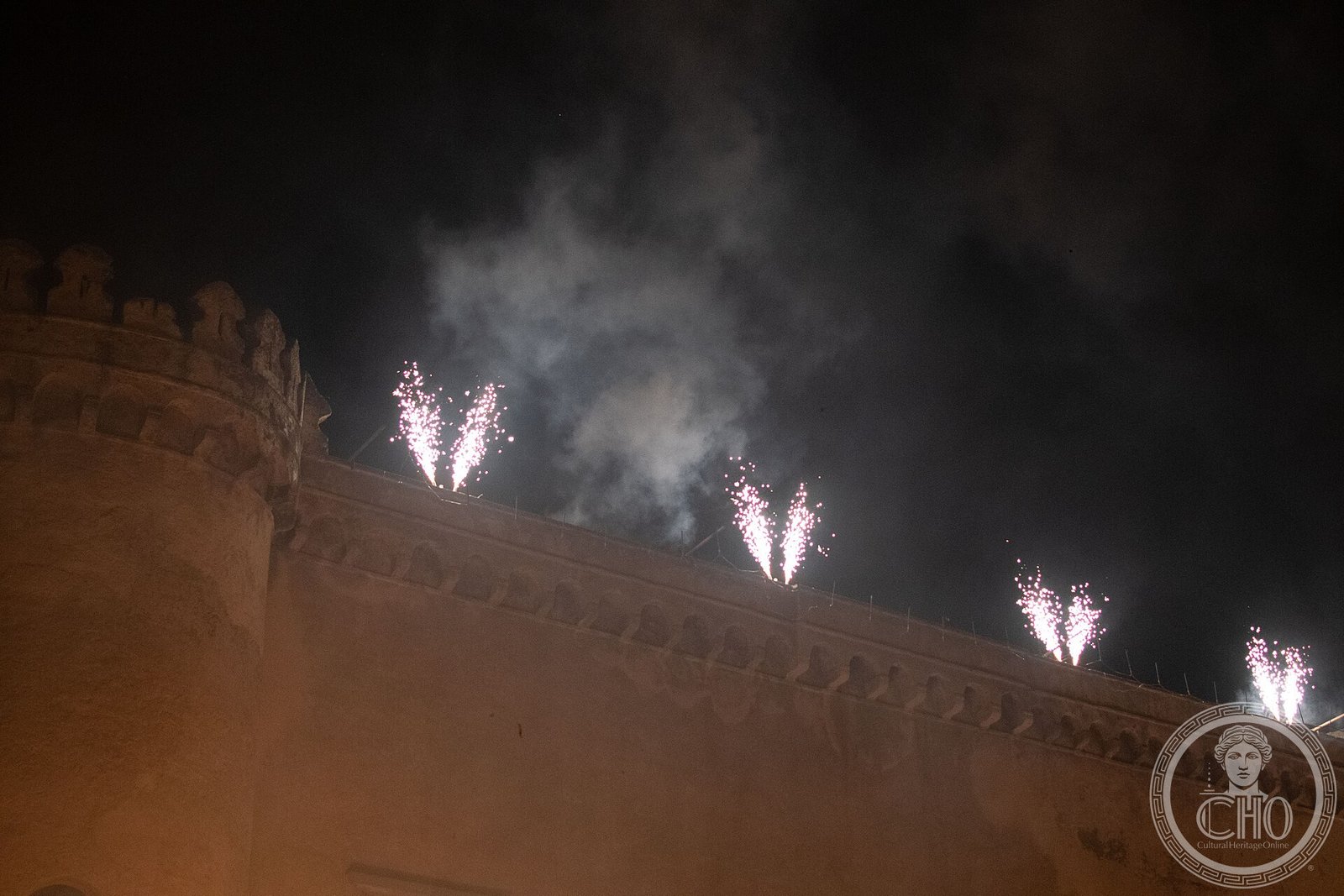
Ducal Castle — Castle of the Dukes of Sangro, Torremaggiore
The Ducal Castle of Torremaggiore, historically known as the Castle of the Dukes of Sangro, is a medieval fortress in Torremaggiore, a town in the province of Foggia in the Apulia region of south-eastern Italy. Rising above the town’s historic centre, the castle was the seat of the powerful Sangro family, who held the duchy of Torremaggiore from the fifteenth century and transformed the original Norman stronghold into a Renaissance ducal residence. The castle is one of the principal architectural landmarks of the Capitanata — the historic territory of the Foggia province — and reflects the layered history of a strategic crossing point between the Apennines and the Tavoliere plain.
At a glance
- Type
- Medieval castle and ducal residence
- Period
- Norman origins (11th–12th century); rebuilt as Renaissance ducal palace (15th–16th century)
- Style
- Norman military architecture; Renaissance residential additions
- Location
- Torremaggiore, Province of Foggia, Apulia, Italy
- Coordinates
- 41.6886° N, 15.2887° E
Overview
Torremaggiore is a town and former episcopal seat in the Foggia province of Apulia, situated on the south-eastern edge of the Tavoliere delle Puglie — the great plain that was one of the most important cereal-growing and transhumance territories in the medieval and early modern Italian economy. The Sangro family, one of the most prominent noble dynasties of the Kingdom of Naples, held Torremaggiore as a fief and elevated it to the rank of duchy, leaving their mark on both the castle and the religious architecture of the town. The castle’s commanding hilltop position reflects the strategic importance of the site controlling routes between the Capitanata and the Apennine passes.
History
A fortification on the Torremaggiore hill is attested from the Norman period (11th–12th centuries), when the Normans constructed a network of castles to consolidate their control over Apulia and the Capitanata. The site passed through Swabian, Angevin, and Aragonese control before being granted to the Sangro family in the fifteenth century. Under the Sangros — particularly in the sixteenth and seventeenth centuries — the medieval keep was expanded and remodelled into a ducal residence befitting one of the wealthiest noble families of the Kingdom of Naples. The family is also known for the Sansevero Chapel in Naples, one of Italy’s most celebrated baroque interiors. The castle subsequently passed through various owners and in the modern period has undergone partial restoration.
What you see
The castle complex occupies the highest point of Torremaggiore’s historic centre and is visible from across the Tavoliere plain. The structure retains elements of the Norman-period military architecture — thick ashlar walls, corner towers — alongside Renaissance-period residential additions including courtyard spaces and window surrounds in the regional limestone typical of Apulian noble architecture. The panoramic views from the castle terrace across the Tavoliere to the Gargano promontory and the Apennine foothills are among the most expansive in northern Apulia.
Cultural significance
The Sangro family connection links Torremaggiore to one of the most culturally significant aristocratic dynasties in the Kingdom of Naples: Raimondo di Sangro, Prince of Sansevero, commissioned the extraordinary marble sculptures of the Sansevero Chapel in Naples (18th century), including the celebrated Veiled Christ. The Ducal Castle of Torremaggiore thus stands as a provincial counterpart to that urban monument, tracing the origins and territorial power of a family whose legacy spans military architecture, religious patronage, and baroque artistic innovation.
Practical information
- Address
- Via Castello, Torremaggiore, Province of Foggia, Apulia
- Opening hours
- Check with the Comune di Torremaggiore or local tourism office for current access arrangements
- Admission
- Check official website
Getting there
Torremaggiore is served by a railway station on the Foggia–San Severo line, with connections to Foggia (approximately 30 km south) and San Severo (approximately 15 km south-west). By car, take the A14 motorway (Adriatica) and exit at Foggia or San Severo, then continue north-east via the SP141. The historic centre and castle are accessible on foot from the town centre.
Sources & resources
- Wikipedia: Torremaggiore
- Wikipedia: Sansevero Chapel, Naples
- More Italian heritage: culturalheritageonline.com
Find it on the map
See this place and what’s around it →📷 Diventa un fotografo di Cultural Heritage Online
Condividi le tue foto dei luoghi: restano pubblicate con la tua firma come autore. Più vengono viste, più ti fai conoscere — e presto un concorso premierà le foto più apprezzate.
Accedi o registrati gratis per aggiungere una fotoDo you manage this place?
This page is read by travellers and heritage enthusiasts who find it on Google. Keep it accurate — and make it work for you. Free for non-profit heritage institutions.