
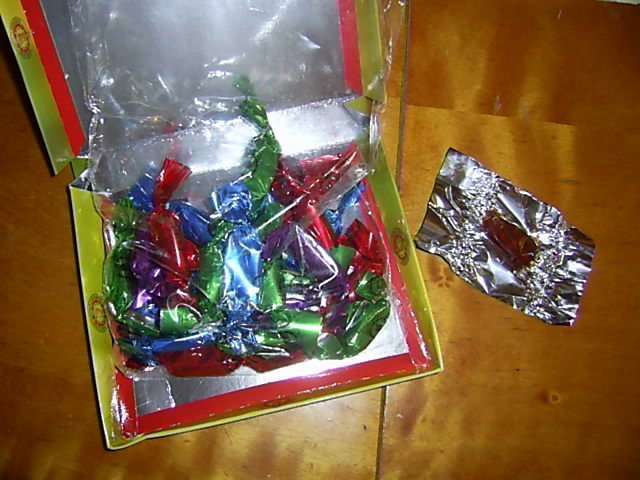
A centuries-old Turkish sweet tradition of spice and sugar, celebrated annually in Manisa through a festival that honors the craft and community behind this aromatic confection.
In UNESCO’s words
The Mesir Macunu festival of Manisa, Turkey, commemorates the recovery of Hafsa Sultan, mother of Suleiman the Magnificent, who was cured of a disease by the invention of a paste known as mesir macunu. The Sultan then ordered that the paste be disseminated to the public. So, every year from 21 to 24 March, the paste is prepared by a chef and apprentices from 41 fresh spices and herbs according to traditional practice. A team of 14 women wrap the paste in small pieces of paper, and 28 imams and apprentices bless it before scattering the paste from the top of the minaret and the domes of the Sultan Mosque. Thousands of people come from different regions of Turkey to compete to catch the pieces as they fall. Many believe that by so doing their wishes for marriage, work and children will come true within a year. A 45-piece orchestra dressed in traditional clothing perform historical Ottoman music during the preparation of the paste and throughout the festival. Inhabitants of Manisa have a deep emotional attachment to the festival. The strength of tradition creates a strong sense of solidarity among local communities, and the city welcomes guests from almost all regions of Turkey.
Official description, UNESCO Intangible Cultural Heritage List — Mesir Macunu festival
At a glance
Mesir macunu is a paste made from 41 fresh spices and herbs, prepared according to traditional practice. Each year from 21 to 24 March, the paste is wrapped in paper and blessed before being scattered from the minaret and domes of the Sultan Mosque in Manisa. Thousands gather to catch the falling pieces, believing that doing so will bring their wishes for marriage, work, and children to fruition within a year.
Origins & history
The festival commemorates the recovery of Hafsa Sultan, mother of Suleiman the Magnificent, who was cured of a disease by mesir macunu. Following her healing, the Sultan ordered that the paste be distributed to the public, establishing the tradition that continues today.
The practice
A chef and apprentices prepare the paste using 41 fresh spices and herbs according to traditional methods. A team of 14 women wrap the paste in small pieces of paper, while 28 imams and apprentices bless it. The paste is then scattered from the top of the minaret and domes of the Sultan Mosque. A 45-piece orchestra dressed in traditional clothing performs historical Ottoman music during preparation and throughout the festival.
Cultural significance
Inhabitants of Manisa maintain a deep emotional attachment to the festival, which creates strong solidarity among local communities. The tradition draws guests from almost all regions of Turkey, uniting people around a shared cultural practice that has endured for centuries.
Key facts
- Country: Türkiye
- Inscribed: 2012
- UNESCO list: Representative List of the Intangible Cultural Heritage of Humanity
- UNESCO reference: 00642
- UNESCO vocabulary: Festivals; Procession; Traditional medicine
- Map: Manisa — the locality named in UNESCO’s official description of this element
Where to experience it
Each year from 21 to 24 March, Manisa hosts the Mesir Macunu festival, drawing thousands of visitors from across Turkey to witness this centuries-old tradition. Spectators gather at the Sultan Mosque to watch as the aromatic paste is scattered from the minaret and domes, competing to catch the falling pieces. During the festival, a 45-piece orchestra performs historical Ottoman music while the paste is prepared from 41 spices and herbs according to traditional practice. Local communities maintain deep emotional bonds to the celebration, and the city's warm welcome extends to guests from nearly every region of Turkey who come seeking blessings for marriage, work, and children.
Sources & resources
- UNESCO — official element page: Mesir Macunu festival
- UNESCO — open data record: Intangible Heritage List, reference 00642
- UNESCO — official photograph: Photograph of this element — Researcher of Folklore working for Ministry of Culture and Tourism — Information and Documentation Center of Folk Culture/Ministry of Culture and Tourism
- Reference — Wikipedia (secondary): Mesir macunu — consulted as a secondary reference, not as confirmation
- Cultural Heritage Online: Our archive and city guides

Find it on the map
See this place and what’s around it →📷 Become a Cultural Heritage Online photographer
Share your photos of places: they stay published under your name as the author. The more they're seen, the more you get noticed — and soon a contest will reward the most appreciated photos.
Log in or sign up free to add a photo