
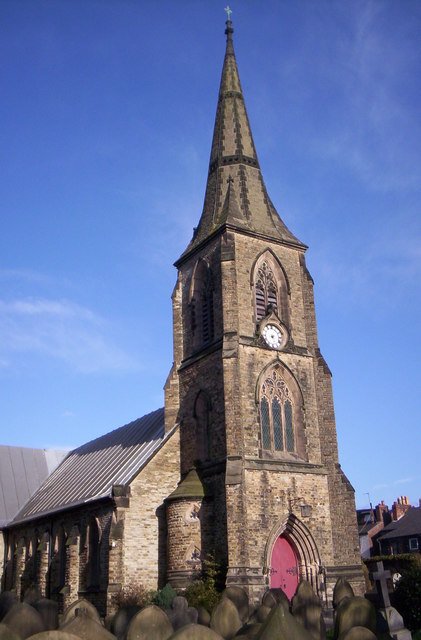
An active Anglican parish church on Liverpool Road, St Luke’s stands near the heart of Great Crosby. Its east end was rebuilt after a devastating fire in 1972, yet the church remains a functioning centre of worship in the Diocese of Liverpool.
At a glance
St Luke’s is a Grade II listed Anglican parish church serving the Great Crosby community in Sefton, Merseyside. The building holds official recognition in the National Heritage List for England.
History
The church’s modern history was marked by a significant fire in 1972, which caused substantial damage to the east end of the building. Following this loss, the affected section was rebuilt, allowing the church to continue its pastoral mission to the local parish.
What you see
The church’s architecture reflects both its historical origins and mid-20th-century restoration. The rebuilt east end represents the church’s resilience and adaptation following the 1972 fire, while earlier elements of the structure remain.
Cultural significance
As a Grade II listed building, St Luke’s is recognized as a structure of special architectural or historic interest. The church continues to serve as a vital community institution and place of worship in the Diocese of Liverpool.
Key facts
- Location: Liverpool Road, Great Crosby, Sefton, Merseyside
- Coordinates: 53.491, −3.0241
- Listed status: Grade II
- Denomination: Anglican Church (Diocese of Liverpool)
- Notable event: East end rebuilt after fire in 1972
Practical information & getting there
St Luke’s Church is located on Liverpool Road in Great Crosby. For service times, visiting information, and details about the active parish, contact the church directly through the Diocese of Liverpool or visit the parish website.
Sources & resources
Find it on the map
See this place and what’s around it →📷 Become a Cultural Heritage Online photographer
Share your photos of places: they stay published under your name as the author. The more they're seen, the more you get noticed — and soon a contest will reward the most appreciated photos.
Log in or sign up free to add a photoIs this page about you?
This page is read by travellers and heritage enthusiasts who find it on Google. Tell us how you are connected to this place and we will take it from there.