
Canada’s oldest continuously active Presbyterian congregation worships in this neo-Gothic sanctuary, a testament to Lunenburg’s enduring faith and architectural heritage.
At a glance
St. Andrew’s Presbyterian Church stands as home to the longest-established Presbyterian congregation in Canada. The present neo-Gothic structure dates from 1828, though the faith community itself stretches back generations earlier, reflecting the deep roots of Protestantism in Nova Scotia’s maritime culture.
History
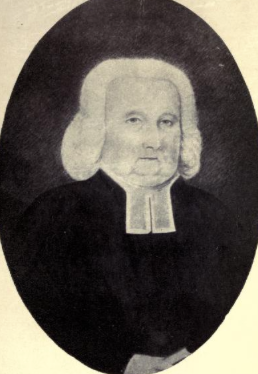
The congregation began by gathering in a private house before moving to St. John’s Anglican Church (Lunenburg) from 1759 to 1770. The first dedicated Presbyterian church was built in 1770. Reverend Bruin Romkes Comingo served as the congregation’s first minister, an extraordinary tenure spanning 50 years until his death in 1820 at age 95. His long pastoral leadership shaped the community’s spiritual identity during its formative decades. The current building, completed in 1828, replaced the original structure and remains in use today.
What you see
The church exemplifies neo-Gothic design, a style that gained prominence in early 19th-century Canada. Its architectural vocabulary—pointed arches, vertical emphasis, and period detailing—reflects the romantic movement’s influence on religious architecture across the Atlantic world.
Cultural significance
St. Andrew’s represents both ecclesiastical continuity and community resilience in a town celebrated for its architectural character. The church anchors Lunenburg’s spiritual and social landscape, connecting present worshippers to centuries of Presbyterian tradition and Nova Scotian history.
Key facts
- Country: Canada
- City: Lunenburg, Nova Scotia
- Built: 1828
- Style: Neo-Gothic
- Coordinates: 44.37836, −64.30999
- First minister: Reverend Bruin Romkes Comingo (served 1770–1820)
- Home to Canada’s oldest continuously active Presbyterian congregation
Practical information & getting there
St. Andrew’s Presbyterian Church is located in Lunenburg, a UNESCO World Heritage site on Nova Scotia’s South Shore, approximately 90 kilometres southwest of Halifax. The town is accessible by car via Highway 103. Visitors are welcome to view the exterior and learn more about the church’s place in Canada’s religious history.
Sources & resources
Find it on the map
See this place and what’s around it →📷 Become a Cultural Heritage Online photographer
Share your photos of places: they stay published under your name as the author. The more they're seen, the more you get noticed — and soon a contest will reward the most appreciated photos.
Log in or sign up free to add a photoDo you manage this place?
This page is read by travellers and heritage enthusiasts who find it on Google. Keep it accurate — and make it work for you. Free for non-profit heritage institutions.