
Haiti’s modernized méringue dance music, born in the 1950s from Nemours Jean-Baptiste’s fusion of traditional rhythm with Latin jazz and electric instrumentation—now a defining voice across the Caribbean and diaspora.
In UNESCO’s words
Compas is a popular music and dance genre that holds deep cultural significance for the practising communities. As strong identifying factor, it brings together people of all ages, genders and backgrounds. The music is characterized by a syncopated rhythm and accompanied by instruments such as guitars, keyboards and drums. Compas combines African, European and Indigenous influences, and often touches on themes such as love, freedom, peace and resistance. The Compas dance, a rhythmic walk, is marked by pelvic movements, alternating steps and a physical connection between the dancers. It is a means of expression that is often used in couples therapy and shared among family members and friends. Deeply rooted in the identity of its bearers, Compas is an important part of festive and ritual events and a key element of celebrations and personal milestones for individuals, families and communities. The related knowledge and skills are passed down through the generations, with families, communities, schools and artists transmitting the music and dance through informal means, such as workshops and festivals. Dancers, choreographers, orchestras, producers and other professionals also play an essential role in the creation and transmission of the element. Compas is a symbol of resilience and a celebration of cultural heritage, social cohesion and shared identity.
Official description, UNESCO Intangible Cultural Heritage List — The Compas of Haiti
At a glance
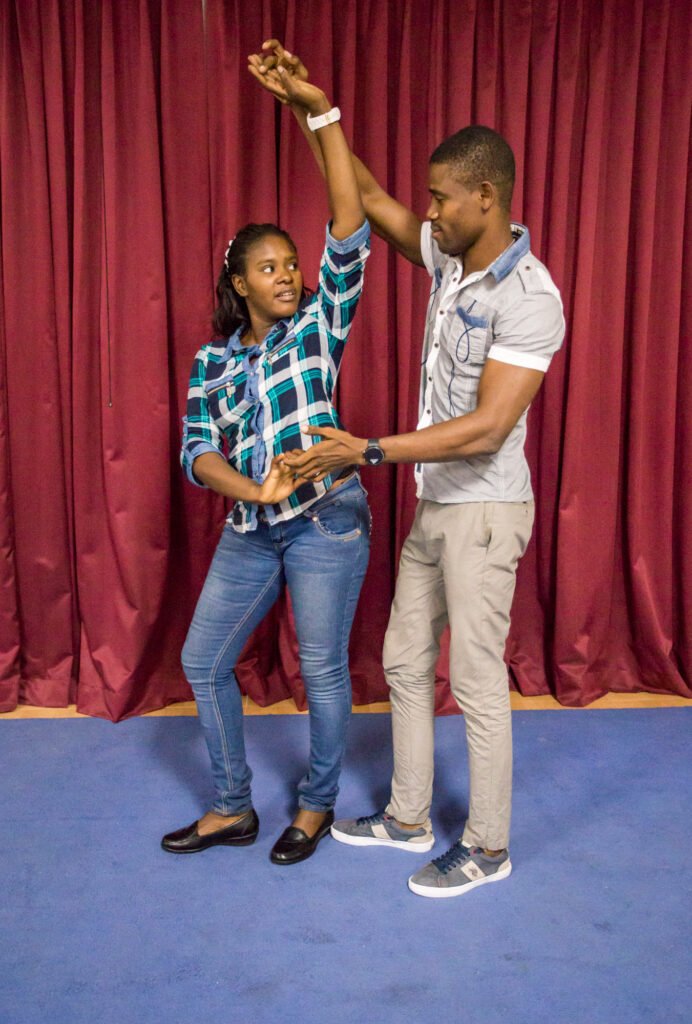
Compas is a popular music and dance genre characterized by syncopated rhythms and played on guitars, keyboards and drums. The tradition blends African, European and Indigenous influences, and its lyrics often explore themes of love, freedom, peace and resistance. The accompanying dance is a rhythmic walk marked by pelvic movements and alternating steps, frequently performed between couples. Compas brings together people of all ages, genders and backgrounds.
Origins & history
Compas is deeply rooted in the identity of its bearers and developed as part of the cultural heritage of its communities. The related knowledge and skills have been passed down through generations via informal transmission—families, communities, schools and artists share the music and dance through workshops and festivals. This intergenerational transfer ensures that Compas remains a living practice shaped by ongoing cultural exchange.
The practice
Compas is performed by dancers, choreographers, orchestras and producers who work together to create and sustain the tradition. The music combines guitars, keyboards and drums in syncopated patterns. The dance itself involves pelvic movements, alternating steps and physical connection between dancers, often performed as couples. Beyond performance, Compas functions as a means of expression used in couples therapy and shared informally among family members and friends.
Cultural significance
Compas holds profound cultural importance as a symbol of resilience and celebration of cultural heritage, social cohesion and shared identity. It plays a key role in festive and ritual events, marking personal milestones and celebrations for individuals, families and communities. The tradition's ability to unite people across different backgrounds makes it central to the cultural life of its bearers.
Key facts
- Country: Haiti
- Inscribed: 2025
- UNESCO list: Representative List of the Intangible Cultural Heritage of Humanity
- UNESCO reference: 02273
- UNESCO vocabulary: Dance; Instrumental music; Vocal music
- Map: not shown — UNESCO’s official description of this element names no locality, and a living tradition is practised across a community, not at one address.
Where to experience it
Compas lives within the communities that practise and cherish it across Haiti and in Haitian diaspora communities worldwide. Visitors can encounter the tradition at dance halls, street festivals, and community celebrations where families and friends gather to perform and share the music and dance. Workshops and festivals serve as vital spaces where dancers, choreographers, and musicians transmit their knowledge to new generations, keeping this symbol of resilience and cultural heritage alive through informal teaching and collective participation.
Sources & resources
- UNESCO — official element page: The Compas of Haiti
- UNESCO — open data record: Intangible Heritage List, reference 02273
- UNESCO — official photograph: Photograph of this element — Claudia Bevilacqua — DPH, Haïti, 2024
- Reference — Wikipedia (secondary): Compas — consulted as a secondary reference, not as confirmation
- Cultural Heritage Online: Our archive and city guides

Sources
- S1 — Averill, Gage. A Day for the Hunter, a Day for the Prey: Popular Music and Power in Haiti. University of Chicago Press, 1997. ISBN 978-0-226-03292-4.
- S2 — Manuel, Peter, et al. Caribbean Currents: Caribbean Music from Rumba to Reggae. Temple University Press, 2006. ISBN 978-1-59213-463-2.
Spotted an error? Write to editorial@culturalheritageonline.com and we correct it the same day.